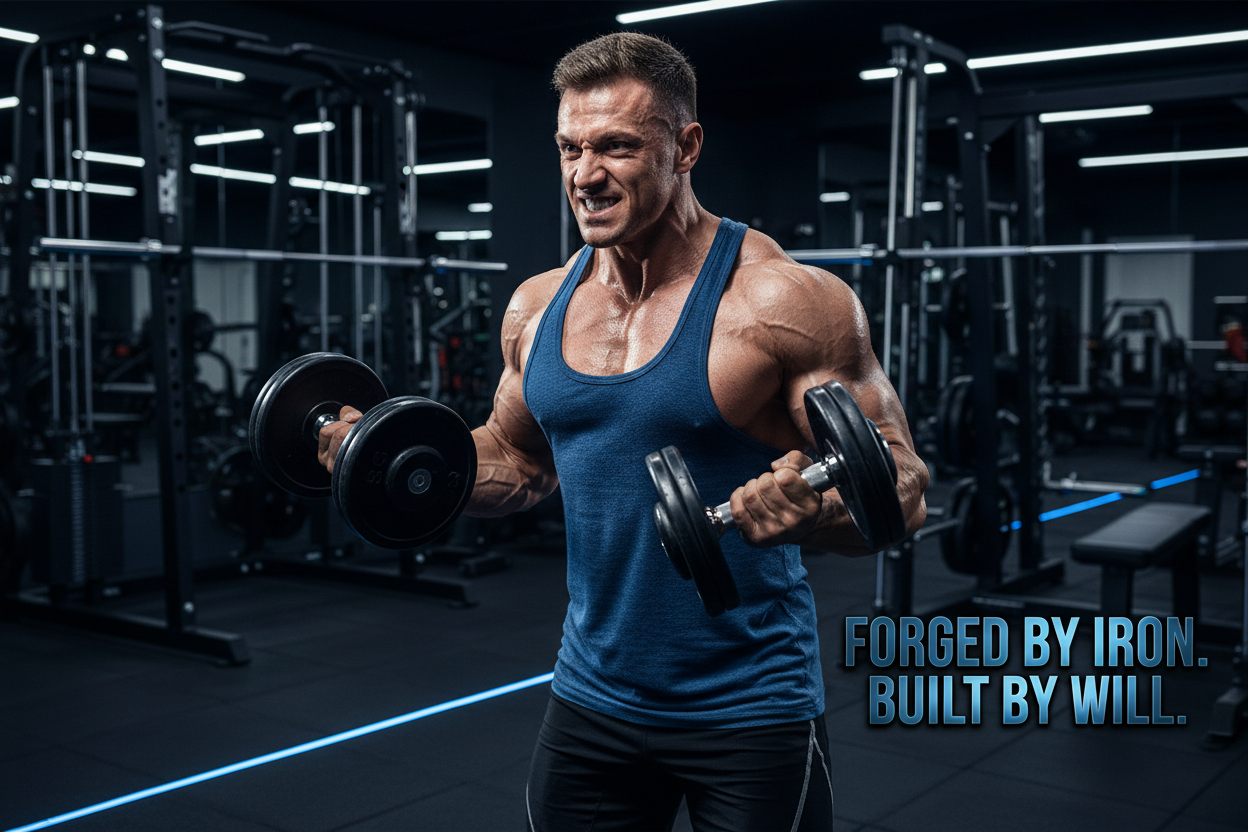
Sculpt a Massive Upper Body: The Ultimate Chest Building Blueprint
Building a thick, well-defined chest is often the primary goal for anyone stepping into a weight room, yet it remains one of the most frustrating muscle groups to develop. You might be pushing heavy weights every Monday, but if your chest exercise routine lacks structure or anatomical focus, your results will plateau. The secret isn't just adding more weight to the bar; it is about applying the right intensity to the right angles using a scientifically sound chest training plan. If you are looking for a straightforward way to add inches to your pectorals, you need to move beyond random bench pressing and follow a structured approach.
Many lifters waste years spinning their wheels with a chest training routine that overemphasizes the front deltoids and triceps while leaving the pecs under-stimulated. To truly grow, you need a chest workout program that targets the clavicular head (upper chest) and the sternal head (middle/lower chest) with equal ferocity. This article lays out a chest workout regimen designed to maximize hypertrophy through mechanical tension and metabolic stress.
My Journey from Flat to Full
I spent the first three years of my lifting life obsessed with the flat bench press. I thought it was the alpha and omega of upper body training. I moved decent weight, but my physique didn't reflect the numbers. My shoulders were capped, and my triceps were strong, but my chest looked flat, especially near the collarbone. It wasn't until I shifted my mindset from "moving weight" to "contracting muscle" that things changed. I stopped ego-lifting and adopted a pec workout routine that prioritized the incline angle and controlled eccentrics. I lowered the weight, focused on the stretch, and finally felt the muscle fibers tearing. That shift in perspective—treating the movement as a tool rather than the goal—was the catalyst for the growth I hadn't seen in years.
The Anatomy of a Perfect Chest Workout Routine
A routine for chest workout sessions must account for the fan-shaped anatomy of the pectoral muscles. Since the fibers run in different directions, a single angle won't suffice. A full chest workout needs to attack the muscle from the top, middle, and bottom. If you rely solely on flat movements, you will likely develop a "droopy" chest appearance because the upper shelf remains undeveloped.
The best program for chest workout success usually begins with a compound movement to overload the system, followed by complementary angles, and finishing with isolation work to drive blood into the tissue. This creates the optimal hormonal environment for growth.
The Core Chest Workout Chart
Below is a workout chart for chest development that creates a balance between heavy power movements and hypertrophy-focused isolation. This gym program for chest assumes you have access to standard equipment like barbells, dumbbells, and cables.
1. Incline Barbell Bench Press
Starting with the incline press is a game-changer. Most people are weakest here, so prioritizing it while you are fresh ensures you overload the stubborn upper pecs. This is the foundation of a great chest workout routine.
-
Sets: 4
-
Reps: 6–8
-
Rest: 2–3 minutes
2. Flat Dumbbell Press
Dumbbells offer a distinct advantage over barbells: increased range of motion. You can bring your hands in closer at the top for a harder peak contraction. This exercise is a staple in any effective chest workouts plan.
-
Sets: 3
-
Reps: 8–10
-
Rest: 90 seconds
3. Weighted Dips
Often called the "squat of the upper body," dips target the lower outer chest. Lean forward to shift the tension from the triceps to the pecs. This movement rounds out a complete chest workouts session.
-
Sets: 3
-
Reps: 10–12 (add weight if bodyweight is too easy)
-
Rest: 90 seconds
4. Cable Crossovers (High to Low)
To finish the chest workout set, you need constant tension. Cables provide resistance throughout the entire range of motion, which gravity-based free weights cannot do at the top of a fly motion.
-
Sets: 3
-
Reps: 15–20
-
Rest: 60 seconds
Understanding Sets, Reps, and Volume
The workout sets for chest listed above fall into the moderate volume category. A common mistake is doing too much volume (junk volume) which hinders recovery. A proper chest workout routine respects the law of diminishing returns. If you are training with true intensity—taking sets near failure—you do not need 30 sets per session. The chest exercise set ranges provided (6-8 for strength, 12-20 for pump) ensure you hit both fast-twitch and slow-twitch muscle fibers.
When looking at your total chest workout volume for the week, aim for 10 to 15 hard sets if you are a natural lifter. This allows you to hit the muscle hard and recover in time for the next session.
Scheduling Your Training
How you integrate this into your week is just as important as the exercises themselves. A structured chest workout schedule typically involves training the muscle group twice a week (e.g., Monday and Thursday) or once every 5 days. This frequency keeps muscle protein synthesis elevated.
If you are following a "bro-split" (one body part per day), ensure your workout program for chest is separated from your shoulder day by at least 48 hours. The front delts take a beating during chest pressing, and training them back-to-back is a recipe for overuse injuries.
Modifying for Equipment Limitations
Not everyone has a fully equipped commercial facility. If you are executing a chest workout plan at gym chains that lack specific machines, simple substitutions work. No dip station? Use decline dumbbell presses. No cables? Use dumbbell flys, but focus heavily on the stretch at the bottom.
Even if you are working with limited tools, the workout plan chest principles remain the same: progressive overload. You must add weight, reps, or improve form every single session. A full chest workout plan is useless if you are lifting the same 40lbs dumbbells for three years straight.
Final Thoughts on Execution
Executing a chest workout plan requires mental focus. On every rep, think about squeezing your biceps together against your chest. This cue helps activate the pectorals rather than just pushing the weight away. The chest workout chart provided above is your map, but your intensity is the vehicle. Consistency with this chest training plan will yield the thick, armored-plate look that defines a powerful physique.
Frequently Asked Questions
How often should I change my chest workout routine?
You should stick to a specific routine for at least 8 to 12 weeks. Constantly changing exercises prevents you from tracking progressive overload effectively. Only switch movements when you stop making strength gains or experience joint pain.
What should I do if I can't feel my chest working during bench press?
This usually happens when the shoulders or triceps take over. Try retracting your scapula (pinching your shoulder blades together) and arching your back slightly before un-racking the weight. Alternatively, pre-exhaust the chest with a set of flys before moving to your heavy pressing movements.
Is a full chest workout plan different for beginners vs. advanced lifters?
Yes, beginners should focus on mastering compound movements like the barbell bench press and pushups with lower volume. Advanced lifters require more volume, specific angles, and isolation techniques to break through plateaus and target lagging areas.