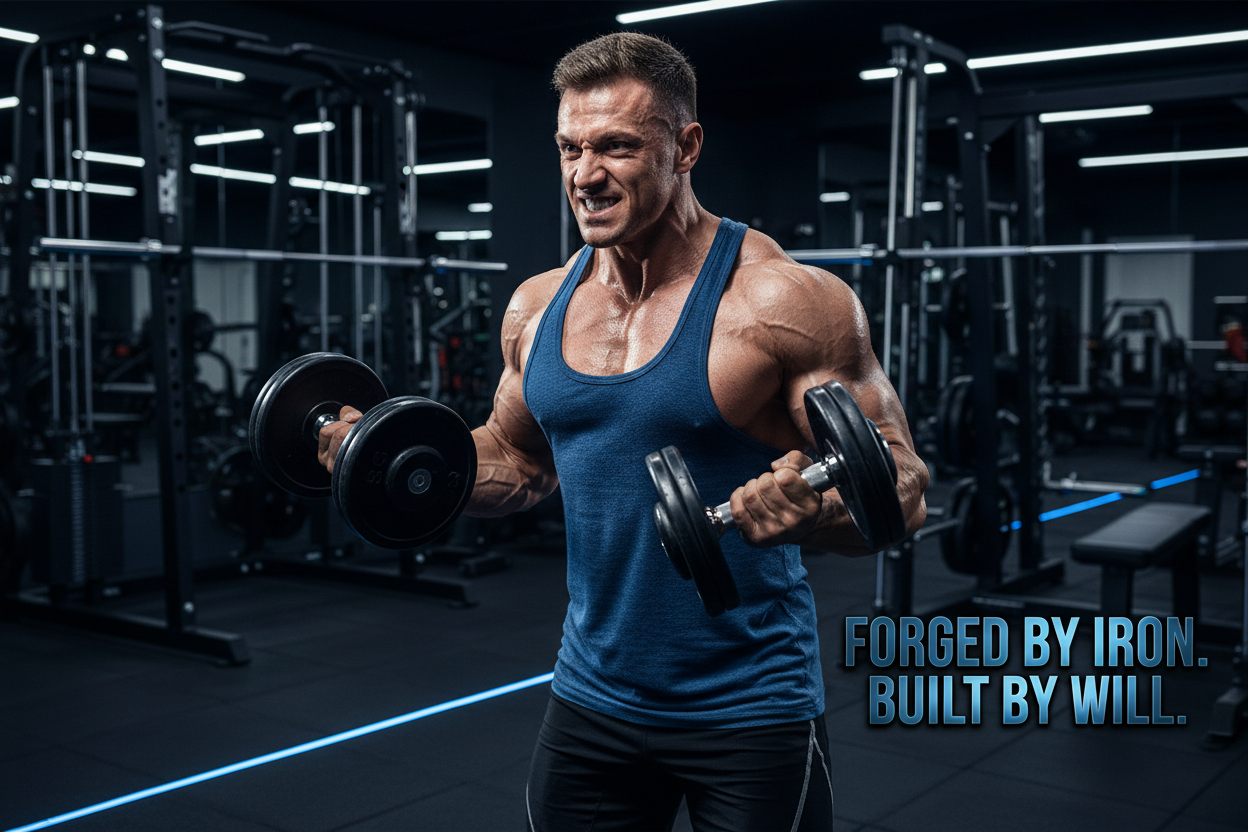
Build Explosive Strength with a Chest Power Workout
Developing a powerful chest is not only about aesthetics – it’s about enhancing overall upper body strength and functional performance. A well-structured chest power workout can improve pushing capabilities, contribute to sports performance, and support balanced muscle development. Training for power means focusing on exercises and methods that prioritize explosive movement, heavy lifting, and progressive overload.
Understanding Chest Power Training
Power training differs from conventional bodybuilding approaches because it emphasizes speed and force together. While hypertrophy workouts aim to increase muscle size, power routines target neuromuscular efficiency and maximum force output. For chest workouts, that means working through a range of compound lifts, typically with heavier loads and lower repetitions, combined with dynamic exercises that improve explosive performance.
Key Principles for Building a Powerful Chest
- Progressive Overload: Gradually increase weight, intensity, or volume over time to stimulate adaptation.
- Explosive Reps: Focus on moving the weight quickly during the concentric phase while maintaining control on the eccentric phase.
- Compound Movements: Prioritize bench presses and dips to engage multiple muscle groups for greater power output.
- Rest Intervals: Take longer rest periods (2–3 minutes) to ensure maximal effort during each set.
Essential Exercises for Chest Workout for Power
The right exercise selection is critical when building explosive capability in your chest. These lifts should be performed with perfect form to reduce injury risk and maximize results.
Barbell Bench Press
A benchmark movement for chest power, the barbell bench press allows you to load heavy weights and engage the pectorals, triceps, and shoulders together. Focus on driving the bar explosively from your chest while lowering it under control.
Dumbbell Bench Press
Dumbbells allow a greater range of motion and promote muscular balance between sides. Although you might lift slightly less than with a barbell, the increased stability challenge can boost overall chest strength.
Weighted Dips
Adding plates or a dip belt to parallel bar dips is an excellent way to build raw pushing power through your lower chest, triceps, and shoulders. Keep your torso slightly forward to engage the chest more directly.
Plyometric Push-Ups
These bodyweight exercises train explosiveness without equipment. Push yourself off the ground with enough force that your hands leave the floor momentarily. They enhance speed-strength and muscular endurance while being joint-friendly.
Programming Your Chest Power Workout
An effective program blends heavy lifting with explosive drills. Here’s an example twice-a-week structure:
- Barbell Bench Press: 5 sets x 3–5 reps (heavy, explosive concentric)
- Weighted Dips: 4 sets x 6–8 reps
- Dumbbell Bench Press: 3 sets x 6–8 reps
- Plyometric Push-Ups: 3 sets x 8–12 reps
- Cable Fly (explosive contraction): 3 sets x 10–12 reps
Train with intention: on heavy movements, rest 2–3 minutes; on dynamic or accessory lifts, rest 60–90 seconds.
Nutrition and Recovery
Nutrition plays a significant role in building power. Ensure adequate protein intake to support muscle repair, plenty of carbohydrates for training energy, and healthy fats for overall recovery. Quality sleep and rest days are equally important – muscle adapts during recovery, not during the workout itself.
My Personal Experience
When I shifted from purely hypertrophy-style training to including chest power workouts in my routine, I noticed more than just size gains. My bench press numbers climbed steadily, but more importantly, routine tasks and other athletic movements felt easier. Explosive push strength improved, and I felt more control and stability in pressing exercises. The combination of low-rep heavy bench presses and plyometric push-ups gave my workouts variety and kept me motivated.
Safety Considerations
Working with heavy weights or explosive movements places high demands on joints, tendons, and muscles. Always warm up thoroughly, starting with dynamic stretches and lighter sets. Keep proper form a priority, and if in doubt, train under supervision or with a spotter, especially during heavy bench presses.
Final Thoughts
A chest power workout is a rewarding way to develop both strength and performance. By integrating heavy lifts, explosive exercises, and proper recovery strategies, you can boost your chest’s capacity for forceful movement and enhance overall upper body function. Stay consistent, listen to your body, and adjust the program as you progress.