Ready to Buy Home Weights? The Ultimate Buyer's Guide
Tired of waiting for the squat rack or tripping over mismatched, dusty dumbbells in your living room? Making the decision to buy home weights is the first step toward building a consistent, frustration-free fitness routine that actually fits your lifestyle.
Whether you are working with a spacious two-car garage or a cramped apartment corner, finding the right equipment can feel overwhelming. In this guide, we will break down exactly what you need to look for so you do not waste money on gear you will eventually outgrow or, worse, never use.
Key Takeaways
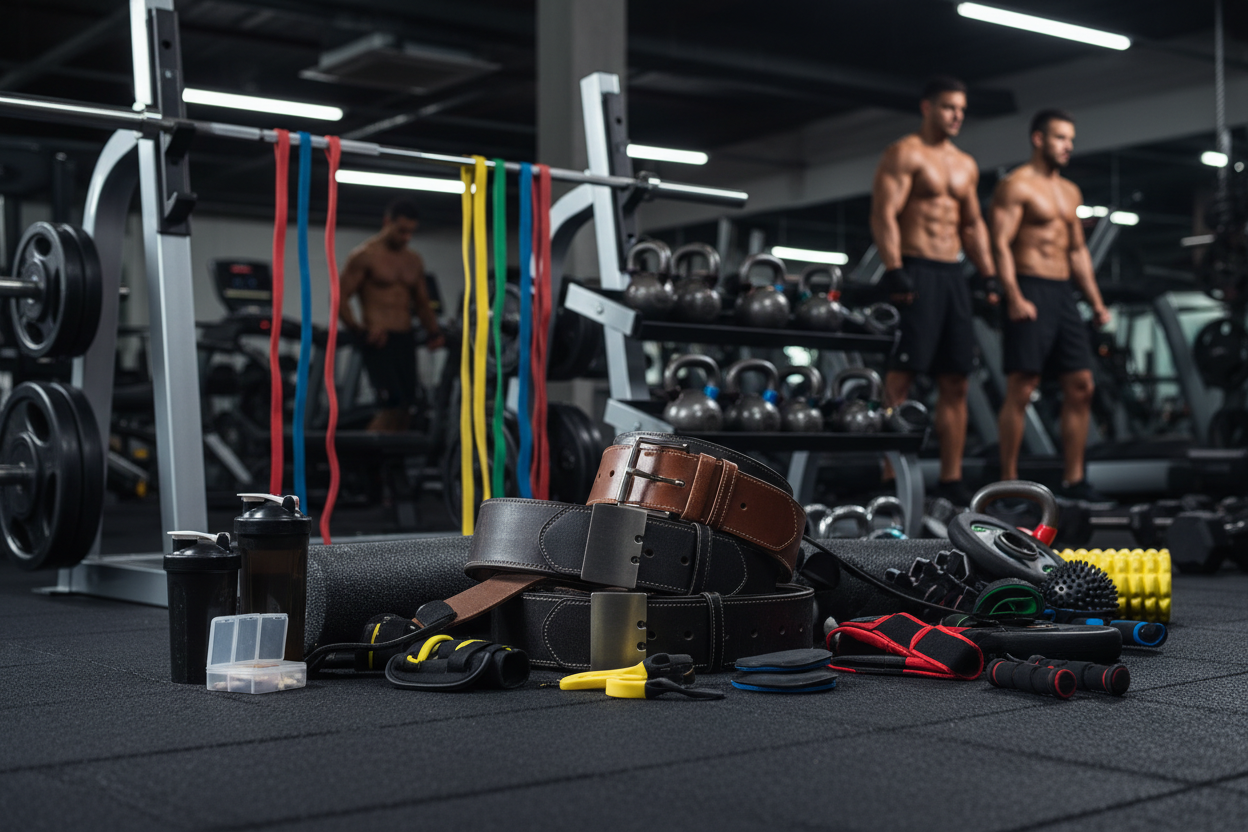
- Assess your space: Adjustable dumbbells save room, while fixed sets require dedicated rack space and heavy-duty flooring.
- Material matters: Urethane and rubber-coated weights protect floors and dampen noise far better than bare cast iron.
- Plan for progression: Invest in an at-home free weight set that allows you to increase resistance as your strength naturally improves.
- Budget wisely: Spend the bulk of your budget on primary lifting tools (dumbbells or a barbell) and save on secondary accessories.
Choosing Your Home Workout Weight Set
When evaluating which home workout weight set is right for your goals, the biggest debate usually comes down to adjustable versus fixed weights. Both have distinct advantages depending on your training style.
Adjustable vs. Fixed Dumbbells
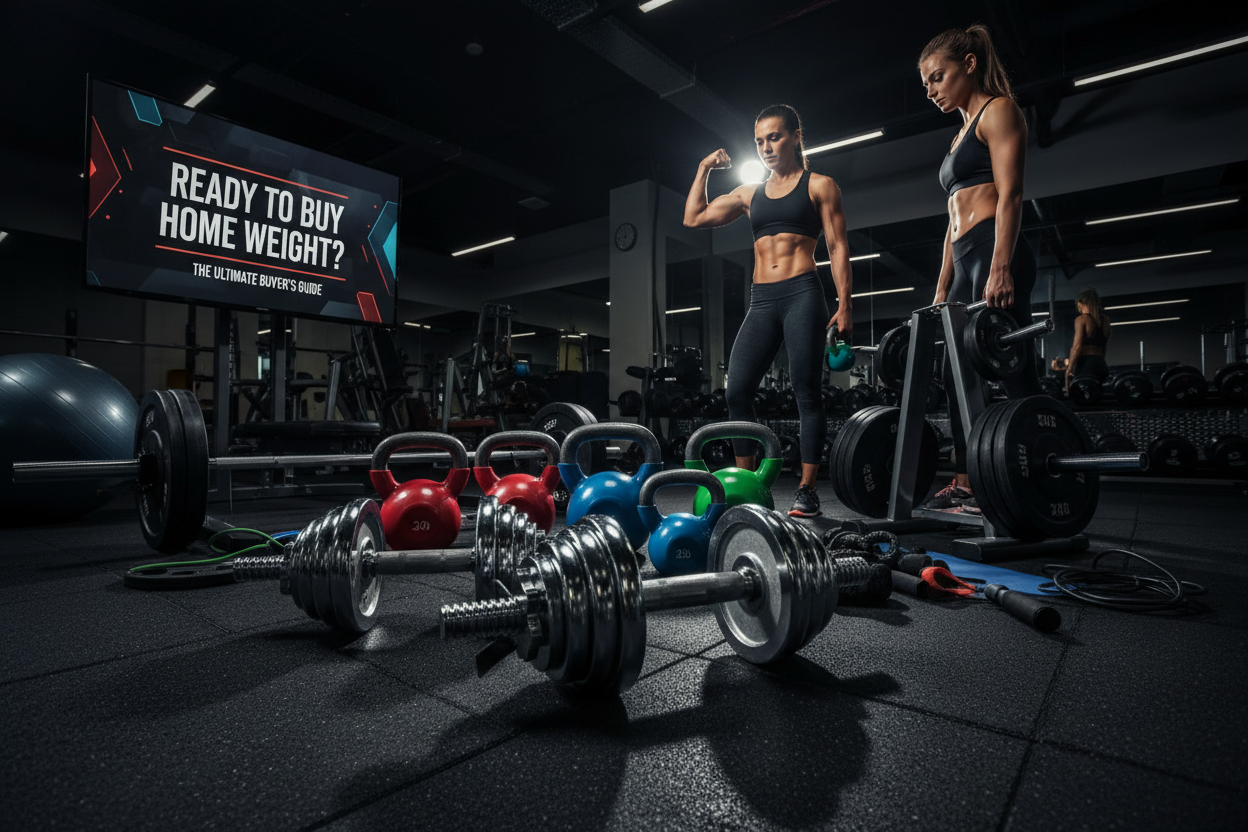
An adjustable dumbbell system is the undisputed king of space efficiency. With a quick turn of a dial or shift of a pin, you get the equivalent of 15 to 30 pairs of dumbbells in one compact footprint. However, if you have the luxury of space, a traditional fixed rack offers unmatched durability, zero moving parts to break, and faster transitions for high-intensity drop-sets.
Material and Floor Protection
If you are using in home weights on a second floor, above a basement, or over hardwood, rubber-coated or urethane weights are non-negotiable. Bare cast iron is classic and budget-friendly, but it is loud, prone to rusting in humid environments, and completely unforgiving if dropped.
Space Planning for Your Gym
Before clicking 'checkout', grab a tape measure. A standard Olympic barbell requires at least 7 feet of horizontal clearance, plus extra room on the sides to physically load the plates. If you are outfitting a tight basement, a high-quality adjustable dumbbell and kettlebell combo might be the smartest weights to buy for home workout routines, requiring less than a 4x6 foot workout footprint.
From Our Gym: Honest Take
I have tested dozens of setups over the last decade, and I will be completely transparent: my biggest regret early on was buying cheap, spin-lock adjustable dumbbells. The collars constantly came loose during heavy goblet squats, and the long threaded ends dug painfully into my thighs before I could even kick them up for chest presses.
When I finally upgraded to a premium urethane set, the difference was night and day. The medium-depth knurling gave me a secure grip even when my hands were sweating through high-rep lunges, and the flat heads made them perfectly stable for renegade rows. Yes, they cost more upfront, but after three years of daily abuse in a non-climate-controlled garage, they still look brand new. My advice? Do not cheap out on the equipment you have to grip and lift every single day.
Frequently Asked Questions
Are men's free weights different from standard weights?
Marketing often labels heavier, thicker-handled gear as men's free weights, but resistance is resistance. The only functional difference to watch for is the handle diameter (typically ranging from 28mm to 34mm) and knurling aggressiveness, which should be chosen based on your hand size and grip preference, not gender.
What are the best weights to buy for home workout beginners?
For beginners, a selectorized adjustable dumbbell set ranging from 5 to 50 pounds is the ultimate starting point. It covers almost every foundational movement—from overhead presses to Romanian deadlifts—without dominating your living space or requiring a massive upfront investment.
Is it cheaper to buy weights individually or as a set?
Purchasing a complete set upfront is almost always cheaper per pound than buying individual pairs over time. You also save significantly on bulk shipping costs, which can be brutal when ordering heavy cast iron or bumper plates piece by piece.