
Quiet Exercise Equipment for Apartment Living: The Ultimate Silent Guide
Living in a shared building creates a unique fitness paradox: you want to train hard, but you don't want to become the neighbor everyone hates. We have all heard the person upstairs dragging furniture or stomping around; you do not want to be the fitness version of that. Finding the right quiet exercise equipment for apartment setups requires looking beyond just the size of the machine. You have to understand the mechanics of sound and vibration.
If you choose the wrong gear, your workout consistency will suffer because you will be self-conscious about every squeak and thud. This guide cuts through the marketing fluff to identify the gear that actually respects your lease agreement and your downstairs neighbors.
Key Takeaways for Apartment Fitness
- Magnetic Resistance is King: Avoid air or friction resistance. Magnetic mechanisms are virtually silent and require less maintenance.
- Belt Drives over Chains: If buying a bike, ensure it uses a belt drive. Chains vibrate and rattle; belts hum quietly.
- Impact Matters More Than Motor Noise: The sound of your feet hitting a deck travels through floors faster than the whir of a motor. Low-impact machines are safer bets.
- Adjustable Weights Save Space and Sound: Clanking iron plates are loud. Selectorized dumbbells or rubber-coated weights are the best weights for apartment living.
The Science of "Silent" Cardio
When looking for the best cardio equipment for small home gym setups, you must distinguish between airborne noise and structure-borne noise. Airborne noise is the whir of a fan bike (avoid these). Structure-borne noise is the vibration caused by a treadmill's incline motor or your foot landing on the deck.
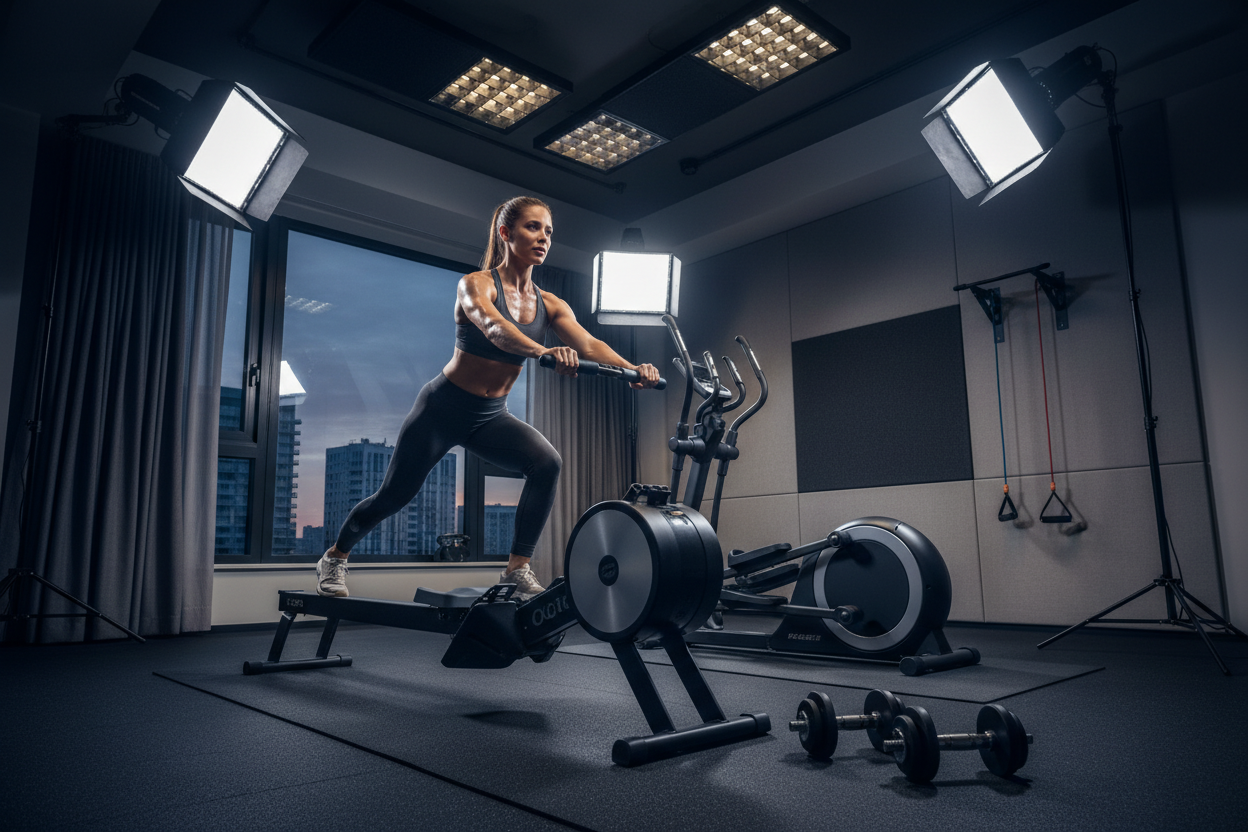
For this reason, the best exercise machine for apartment dwellers is often a magnetic elliptical or a spin bike. These provide a high-intensity cardio workout for small spaces without the rhythmic thumping associated with running.
The Treadmill Dilemma
Is there a viable treadmill alternative for apartment use? Yes. While some manufacturers claim to have "whisper-quiet" motors, the physics of a 150-pound human striking a running deck creates impact noise that is hard to mask. If you must run, look for a machine with an exceptionally cushioned deck or consider a high-end walking pad specifically designed as apartment friendly cardio equipment.
However, for most, a magnetic rower or a spin bike serves as the best small space cardio equipment because your body weight remains supported, eliminating the floor-shaking impact.
Strength Training: Compact and Quiet
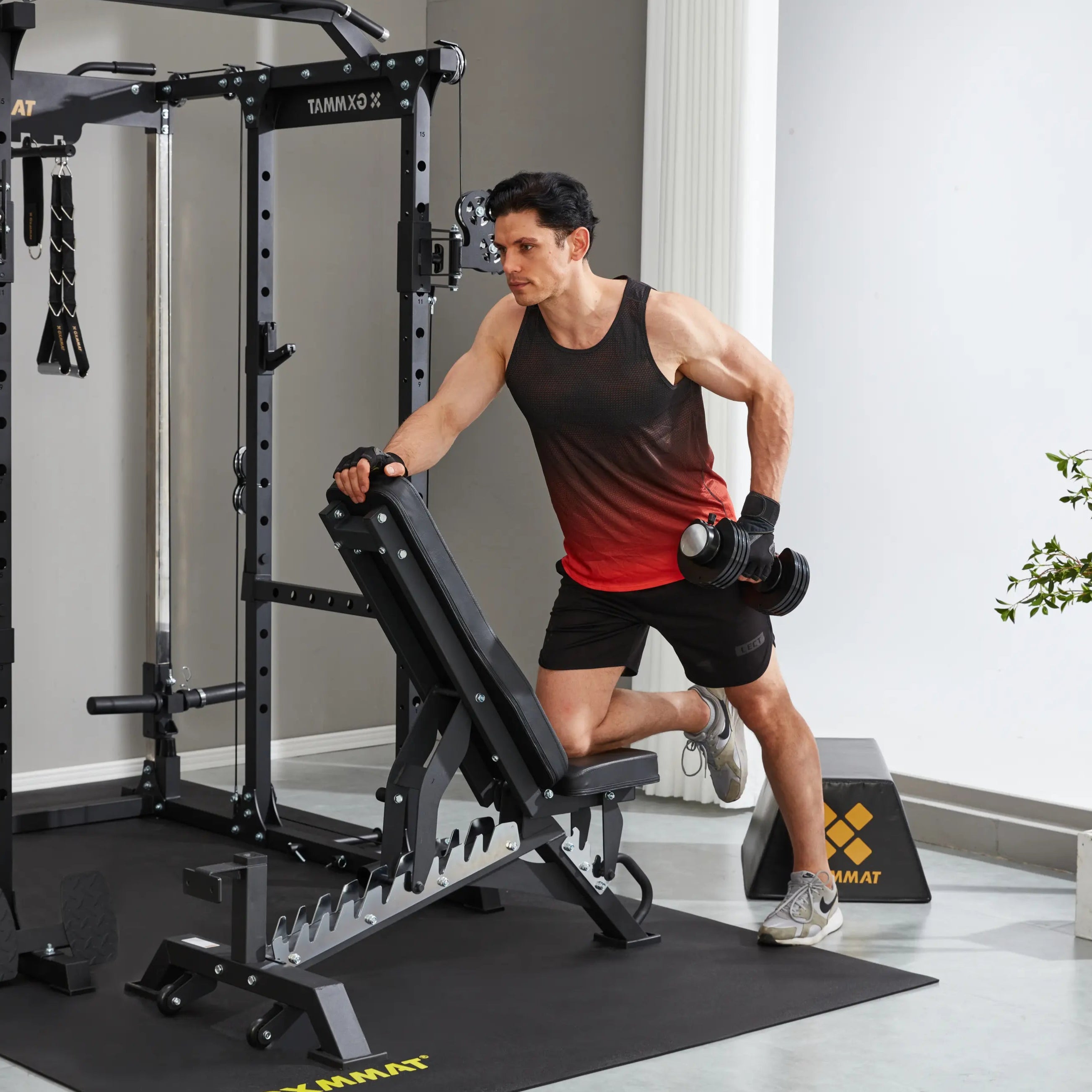
You do not need a massive rack to get strong. A compact weight training home gym can be built around a single pair of high-quality adjustable dumbbells. These are the best space saving exercise equipment because they replace 15 pairs of dumbbells and, crucially, they don't clang together like loose iron plates.
Resistance Bands and Suspension Trainers
For the ultimate portable cardio exercise equipment that doubles for strength, suspension trainers (like TRX) or heavy-duty resistance bands are unbeatable. They create zero noise when dropped. They are the definition of easy storage exercise equipment; you can literally stuff your entire gym into a drawer when you are done.
The All-in-One Solution
If you have a bit more budget and floor space, a space saver multi gym or a small Bowflex home gym uses rods or cables rather than weight stacks. Weight stacks are notorious for the loud "clack" when the plates return to the rest position. Rod-based systems provide a smooth, silent tension that is perfect for late-night sessions.
Storage and Floor Protection
Even the most compact exercise machine needs a foundation. Never place gym equipment for small apartments directly on hardwood or laminate flooring. It amplifies sound.
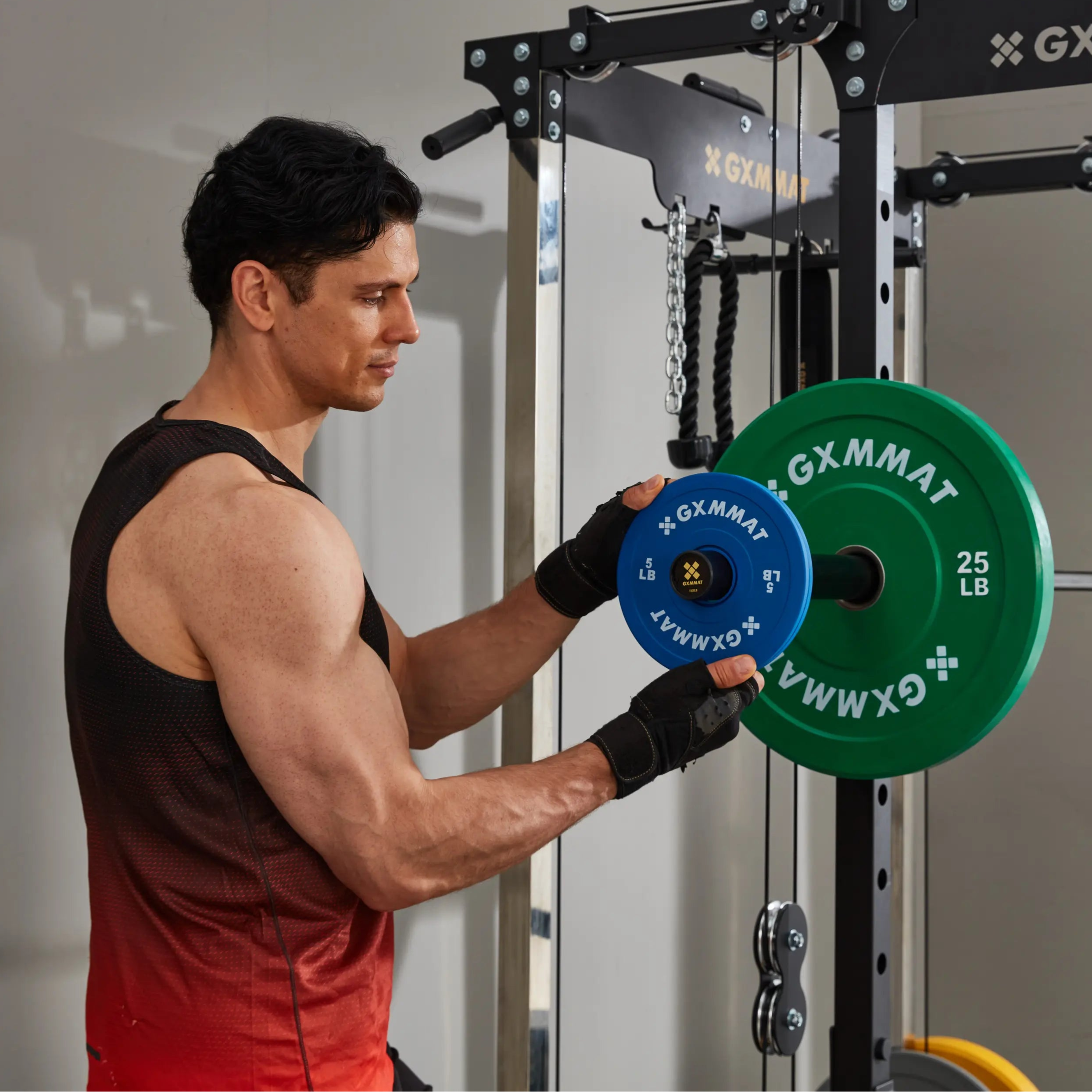
Invest in high-density horse stall mats or thick puzzle mats. These absorb the vibrations before they reach the subfloor. Furthermore, look for stow away exercise equipment that features transport wheels. The best foldable exercise equipment should have a hydraulic assist so you aren't crashing the machine onto the floor every time you unfold it.
My Personal Experience with Quiet Exercise Equipment for Apartment
I learned the hard way that "compact" does not always mean "quiet." A few years ago, I bought a budget air-resistance rower for my second-floor studio. It fit the space perfectly, but the first time I did a 500m sprint, it sounded like a jet engine taking off in my living room. I actually saw my cat bolt under the sofa in terror.
But the real issue wasn't the air fan; it was the rail. Every time the seat rolled back and forth, it created a low-frequency rumble that I couldn't hear, but my downstairs neighbor definitely could. He knocked on my door at 9 PM asking if I was "bowling."
I swapped that rower for a magnetic resistance model with a belt drive. The difference was night and day. The grit of the air pull was gone, replaced by a smooth, silent tension. I also placed it on a 3/4-inch rubber mat. Now, the only sound in my apartment when I train is my own heavy breathing and the occasional creak of my knee. Trust me, spending extra on magnetic resistance and proper flooring saves you from awkward elevator conversations with neighbors.
Conclusion
Building a gym in a small footprint is entirely possible if you prioritize mechanism over marketing. Stick to magnetic resistance, minimize impact forces, and invest in rubberized weights. The best compact gym equipment is the kind that allows you to train at 100% effort without worrying about the noise complaint waiting on your door.
Frequently Asked Questions
What is the absolute quietest cardio machine?
A magnetic spin bike with a belt drive is generally the quietest. Unlike treadmills (impact noise) or air bikes (fan noise), a magnetic bike has almost zero acoustic output, making it the best small workout machine for home use if silence is the priority.
Can I use a treadmill in an upstairs apartment?
It is risky. Even with the best space saving workout equipment, the impact of running creates vibrations that travel through floors. If you must, use thick anti-vibration mats and avoid running late at night or early in the morning.
What is the best way to dampen sound from weights?
Use "crash pads" or drop pads if you are doing deadlifts. For general lifting, use rubber-coated hex dumbbells or sandbells. These are the best weights for apartment use as they absorb impact rather than creating a sharp metal-on-floor noise.


