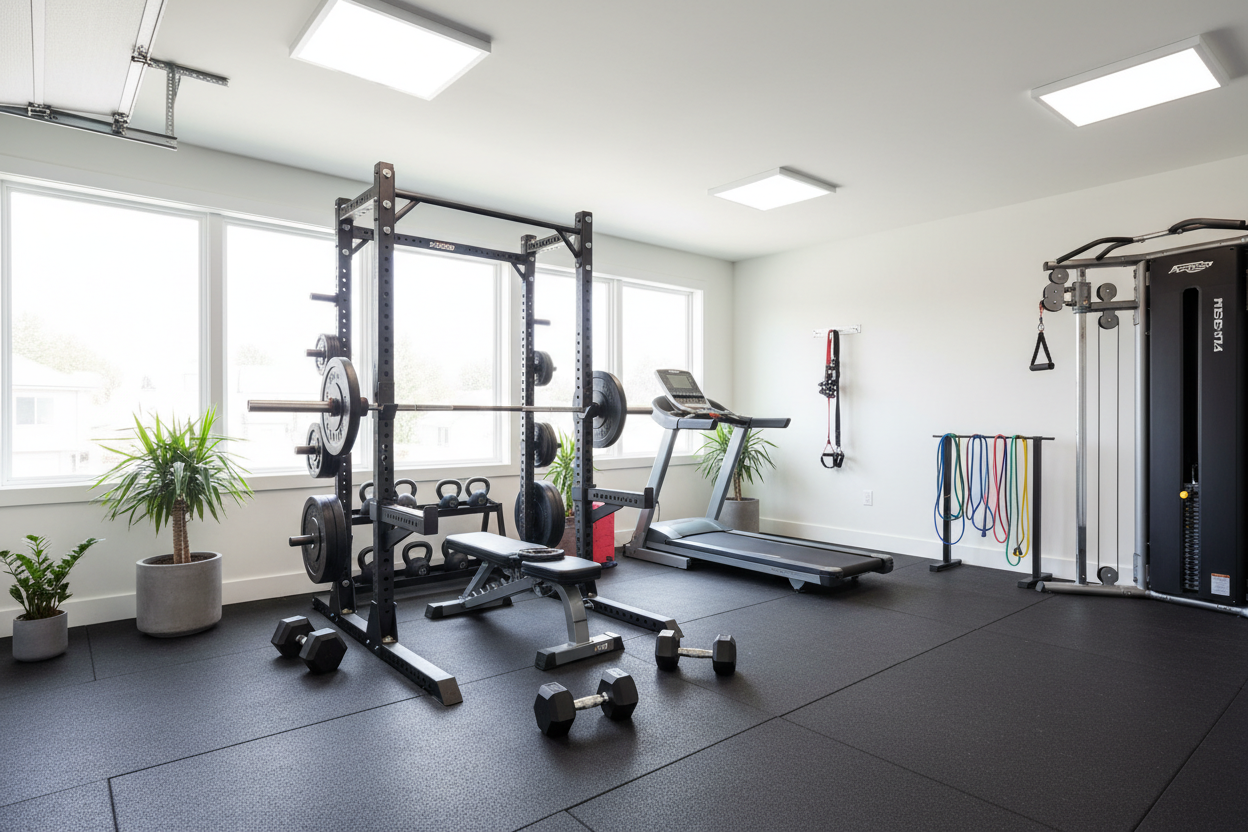
Weight Machine Set: The Ultimate Guide to Home Strength
Building a physique that commands respect doesn't always require a barbell or a spotter. For many, the journey to hypertrophy begins and ends with a high-quality weight machine set. Whether you are outfitting a garage gym or looking to maximize safety during solo workouts, understanding the mechanics of these units is crucial.
Many lifters dismiss machines as "easy mode," but that is a fundamental misunderstanding of biomechanics. When used correctly, these tools offer constant tension that free weights simply cannot replicate. Let's break down how to utilize this equipment effectively without falling for marketing hype.
Key Takeaways
- Controlled Isolation: Unlike free weights, a weight machine set stabilizes your path of motion, allowing you to target specific muscle fibers without relying on stabilizer muscles.
- Safety First: Self-spotting mechanisms make these ideal for solo home training, reducing the risk of injury during failure.
- Constant Tension: Cable-driven weight trainer machines provide consistent resistance throughout the entire range of motion, unlike dumbbells where tension drops at the top of a lift.
- Versatility: Modern multi-stations allow for 50+ exercises in a compact footprint, maximizing space efficiency.
Why Choose a Machine Over Free Weights?
The debate between free weights and machines is old, but the answer is nuance. A muscle strength machine provides a fixed path of motion. This constraint is actually a benefit when your goal is hypertrophy (muscle growth) rather than pure athletic coordination.
By removing the need to balance a heavy load, you can focus entirely on the contraction. This mind-muscle connection is often lost when you are struggling just to keep a barbell steady. For home gym owners, this also means you can push to absolute failure safely without worrying about dropping a weight plate on your foot.
Selecting the Right Weight Lifting Exercise Machine
Not all machines are built the same. When browsing for a weight lifting exercise machine, you generally have two categories: selectorized (stack-based) and plate-loaded.
Selectorized vs. Plate-Loaded
Selectorized machines use a pin to select weight from a stack. They are fast, convenient, and keep your floor tidy. However, they often have a weight limit that advanced lifters might outgrow. Plate-loaded machines require you to add your own Olympic plates. They generally hold more weight and feel smoother, mimicking the "dead weight" feel of a barbell, but they require more floor space and setup time.
The Pulley Ratio Factor
Pay attention to the pulley ratio. A 2:1 ratio means 100lbs on the stack feels like 50lbs in your hand. This is great for functional movements and speed work, but for raw heavy lifting, a 1:1 ratio is superior. Manufacturers often hide this detail, so check the specs before buying.
Programming Your Workout Machines With Weights
Owning the gear is half the battle; using it correctly is the rest. Many users hop on a weight trainer machine and just move the pin up and down. To see results, you must apply progressive overload.
Because the path is fixed, you can use advanced intensity techniques safely. Try "drop sets"—perform reps until failure, immediately lower the weight by 20%, and continue. This is cumbersome with dumbbells but takes two seconds on a selectorized machine. Focus on a slow eccentric (lowering) phase. Since the machine stabilizes the load, you can take 3-4 seconds to lower the weight, tearing down muscle fibers effectively.
My Training Log: Real Talk
I want to be honest about what living with a weight machine set is actually like, beyond the glossy product photos. I’ll never forget the first month using my home functional trainer. It looked sleek in the corner, but nobody warns you about the "drag."
I remember doing tricep pushdowns and feeling this gritty vibration through the rope handle—not because the weight was heavy, but because the chrome on the guide rods was dry. It ruined the focus. I learned the hard way that you have to buy 100% silicone lubricant (absolutely not WD-40, which attracts dust and gums it up) to keep the motion fluid. Also, there is a very specific, annoying "clank" the selector pin makes if you don't control the eccentric phase perfectly. In a commercial gym, the background noise drowns it out. In a quiet garage at 6 AM? That metal-on-metal sound is deafening. You learn to control the weight properly, or you wake up the whole house.
Conclusion
Investing in workout machines with weights is an investment in longevity. It allows you to train heavy without the joint strain associated with free weights. Focus on the quality of the cables, the ratio of the pulleys, and keep those guide rods lubricated. Your joints—and your gains—will thank you.
Frequently Asked Questions
How much space do I need for a home weight machine set?
For a standard multi-station gym, you typically need a footprint of about 5x7 feet. However, you must add an extra 2-3 feet of clearance on all sides to allow for the movement of arms, leg press attachments, and your own body positioning during exercises.
Can you build real mass with just machines?
Yes. Your muscles do not know if you are holding a barbell or a machine handle; they only detect tension. As long as you apply progressive overload (increasing weight or reps over time) and eat a surplus of calories, a machine set is highly effective for building mass.
How often should I maintain my weight machine?
Wipe down the upholstery after every use to prevent sweat from cracking the vinyl. Lubricate the guide rods with silicone spray every month if used daily. Check cables for fraying or stripping every 3 months; a snapped cable under tension is a significant safety hazard.