Pull Up Machine Gym Guide: What to Know Before You Buy
Mastering the pull-up is a universal fitness goal, but getting there requires consistent, progressive overload. If you are tired of relying on flimsy resistance bands that snap or provide uneven tension, adding a dedicated pull up machine gym setup to your space might be exactly what your back day is missing. This guide covers everything you need to know before bringing one of these heavy-duty machines into your home.
Key Takeaways
- Progressive Overload: Weight-stack machines provide measurable, consistent assistance to track your strength gains accurately.
- Space Requirements: Most units require at least an 8-foot ceiling clearance and a dedicated 4x4 foot footprint.
- Versatility: Look for models that double as dip stations to maximize your floor space and investment.
- Form Correction: Machine assistance removes the swinging and momentum often seen in band-assisted pull-ups.
Choosing the Right Specs for Your Space
Footprint and Ceiling Clearance
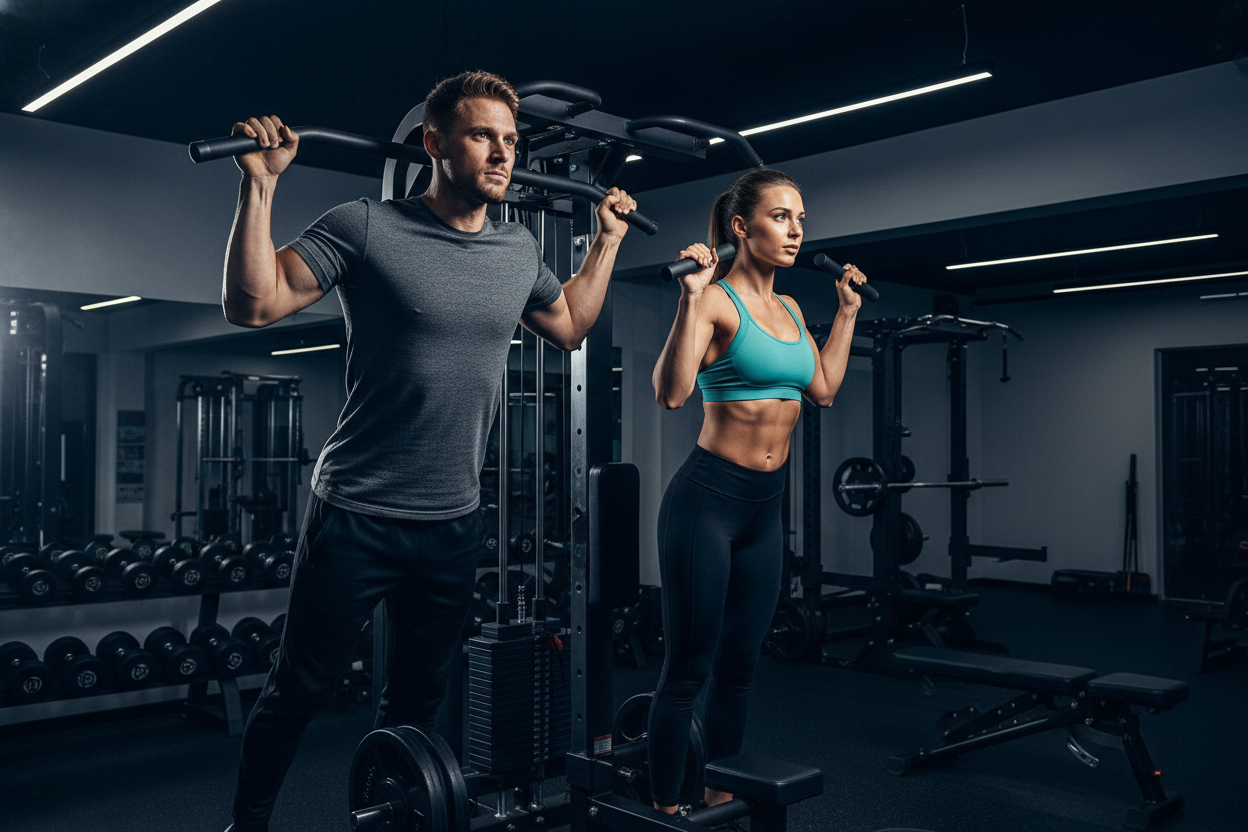
Space is the ultimate premium in any North American garage or basement gym. When shopping for an assisted pull up machine for home use, height is your biggest limiting factor. Most standard basements have ceilings around 84 to 96 inches. You need to account not just for the height of the machine itself, but for the clearance your head will need at the top of the movement. Always leave a minimum of 12 to 18 inches between the machine's top bar and your ceiling.
Weight Stack vs. Plate-Loaded
You will generally find two types of resistance mechanisms. Plate-loaded machines are incredibly budget-friendly and utilize the Olympic plates you already own. However, a traditional weight-stack gym assisted pull up machine offers faster transitions and a more premium, commercial feel, making it ideal for supersets, drop sets, or multi-user households.
Training Applications Beyond Beginners
Perfecting the Mind-Muscle Connection
There is a common misconception that assisted machines are only for novices. Advanced lifters use these machines to isolate the lats and perform high-volume sets without grip fatigue getting in the way. Because the knee or foot pad stabilizes your lower body, you can focus entirely on the eccentric (lowering) portion of the lift, which is crucial for hypertrophy.
From Our Gym: Honest Take
We installed a 200-pound weight stack pull-up and dip combo in our facility last winter, and it completely changed our upper body programming. As someone who is 6'2, I often struggle with compact home gym equipment. The biggest revelation for me was the tracking of the knee pad—budget models often have a jerky, friction-heavy track, but investing in a unit with linear bearings made the movement buttery smooth. One caveat: the assembly process was brutal. It took two of us over three hours to route the cables correctly. If you buy a premium unit, seriously consider paying for professional assembly or calling in a very patient friend.
Frequently Asked Questions
Is a pull up machine worth it for a home gym?
If you have the space and budget, yes. It is one of the safest ways to build upper body pulling strength, and most models include a dip station, giving you two major compound movements in one footprint.
Can I build muscle with an assisted pull up machine?
Absolutely. By allowing you to perform reps in the hypertrophy range (8-12 reps) with strict form, it provides the perfect stimulus for lat and bicep growth, even if you cannot perform a single unassisted pull-up yet.
How much weight assistance do I need?
Look for a machine that offers assistance equal to at least 70 percent of your body weight. This gives you plenty of room to warm up, perform high-rep sets, and gradually decrease the assistance as you get stronger.