Power Racks, Motivation, and Making Your Home Gym Feel Like a Pro Setup
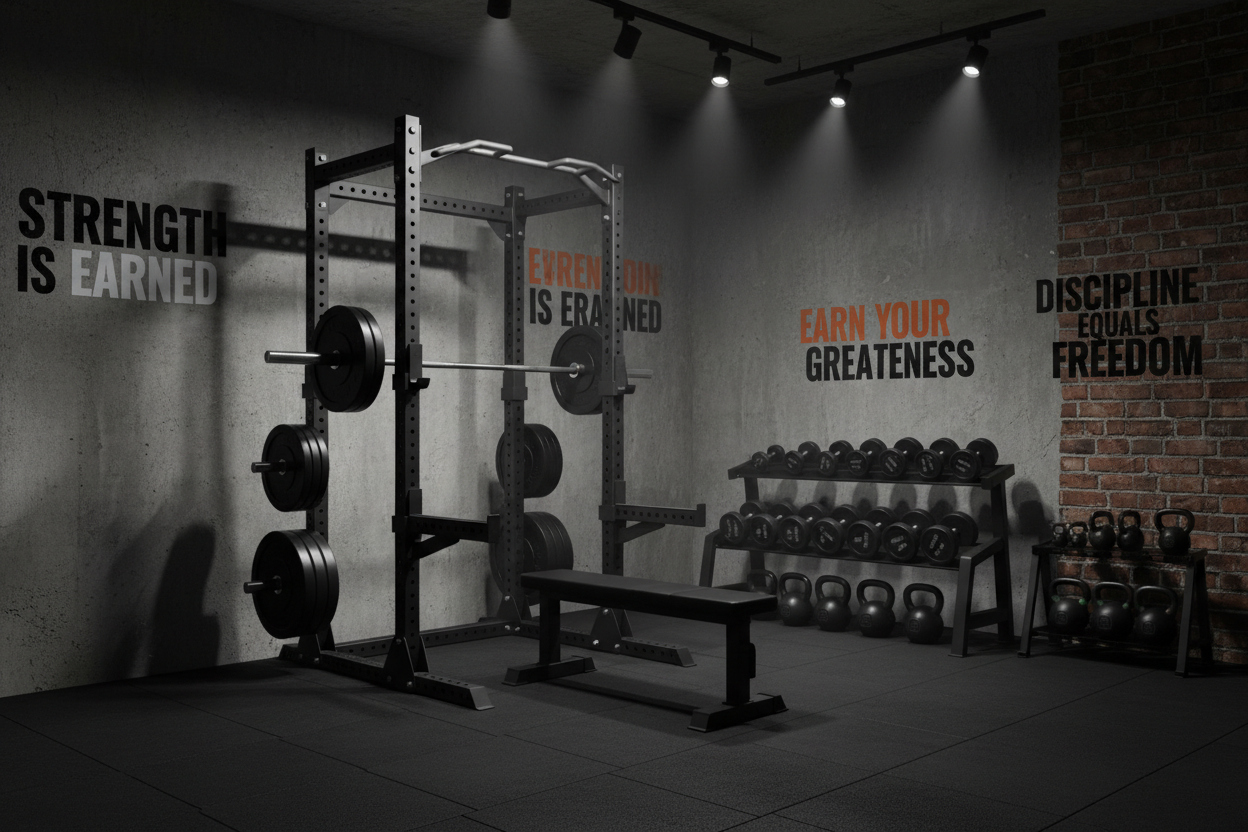
When you’re building your dream home gym, you want every piece of equipment to feel as safe, solid, and reliable as the ones you’ve used in professional fitness studios. For many people, the power rack is the heart of that setup. It’s not just about how it looks — it’s about having confidence when you lift, knowing that your rack is stable during squats, bench presses, and pull-ups.
Choosing the Right Rack Setup for Your Space
One of the first questions that comes up for home lifters is: do you have to bolt down a power rack? The short answer is, not always — but it depends on your rack design and your flooring. Brands offer both flat foot vs bolt down power rack designs. Flat foot racks are made with wide bases to stay secure without anchors, while bolt-down racks need to be fixed to a surface for maximum stability. If you have a heavier routine, safety is key, and bolting can add extra peace of mind.
Alternatives to Bolting Directly to the Floor
If you rent your space or don’t want to drill into concrete, there are alternatives to bolting down a power rack. A common method is to bolt power rack to plywood or even bolt power rack to platform. By creating a sturdy base from quality plywood and securing the rack to it, you gain stability without damaging flooring. It’s a popular approach in shared spaces or garage gyms where permanent changes aren’t possible.
Bolting Options and How to Get Them Right
For those who decide to anchor their racks, there’s more than one approach. You can bolt rack to platform or bolt squat rack to platform if you have a lifting surface already. This keeps the rack firm and helps prevent any shifting during explosive lifts. Another method involves bolting power rack to concrete — the most secure option for commercial-grade steadiness. Here’s a quick look at each:
- Bolt power rack to plywood: Screw it into thick, high-grade panels and place rubber mats beneath to reduce vibration.
- Bolt rack to platform: Secure into a reinforced lifting deck for both rigidity and shock absorption.
- Bolting power rack to concrete: Use proper anchors rated for heavy loads, with a drill suited for masonry.
Learning how to bolt down a power rack or how to bolt squat rack to floor isn’t complicated, but accuracy matters. Always measure twice, mark holes clearly, and use reliable fasteners. Reputable manufacturers often provide detailed instructions and guidance on choosing the right anchors.
When You Can Go Without Bolting
A power rack without bolting can be perfectly safe when it has a wide, sturdy footprint and is placed on a level, non-slip surface. These are often ideal for people who train with moderate loads or prefer flexibility in relocating the rack later. Just remember, heavy lifting or kipping pull-ups may cause movement if the rack isn’t anchored.
Real-World Motivation — My Garage Gym Journey
When I first built my garage gym, I felt torn between bolting my rack to the concrete floor and keeping the option to move it later. I started with a flat foot design, loving the freedom to change the layout as my training evolved. But after progressing to heavier overhead work, I noticed a subtle shift during lifts — and that tiny wobble was a distraction. Eventually, I bolted the rack onto a custom platform I built from thick plywood and lifting mats. The difference was night and day: more confidence to focus on the movement without worrying about stability.
Why Stability Fuels Motivation
Feeling safe in your training space isn’t just about avoiding injury — it’s about mental focus. When the equipment is solid, you can channel energy into pushing boundaries, not into balancing the rack. Whether you choose anchors, platforms, or simply a robust flat-foot frame, your setup plays a huge role in building consistency.
Final Thoughts
Building a home gym isn’t just technical; it’s about creating a place where you want to show up, day in and day out. For some, bolting will be the answer; for others, a carefully chosen non-bolting rack will do the trick. The important thing is making choices that keep you safe, motivated, and ready to enjoy every session. Lift heavy, move well, and remember — the best gym is the one you use regularly.