Portable Running Machine Explained: What to Know Before You Buy
If you have ever tried to squeeze a commercial-grade treadmill into a spare bedroom or a cluttered garage gym, you know the struggle. Traditional cardio equipment is bulky, heavy, and permanently dominates your floor plan. Enter the portable running machine—a compact, foldable solution designed for the modern North American home where space is at an absolute premium.
But with so many options flooding the market, from under-desk walkers to fully collapsible running decks, separating the gimmicks from the gear that actually lasts is tougher than a 5K incline run. In this guide, we will break down exactly what you need to know to find a portable treadmill that fits your space, supports your stride, and survives daily training.
Key Takeaways
- Space Efficiency: A quality portable running machine can fold flat to under 10 inches, sliding easily under a bed or standing upright in a closet.
- Motor Capacity: For actual running (not just walking), look for a continuous horsepower (CHP) rating of at least 2.5 to prevent overheating.
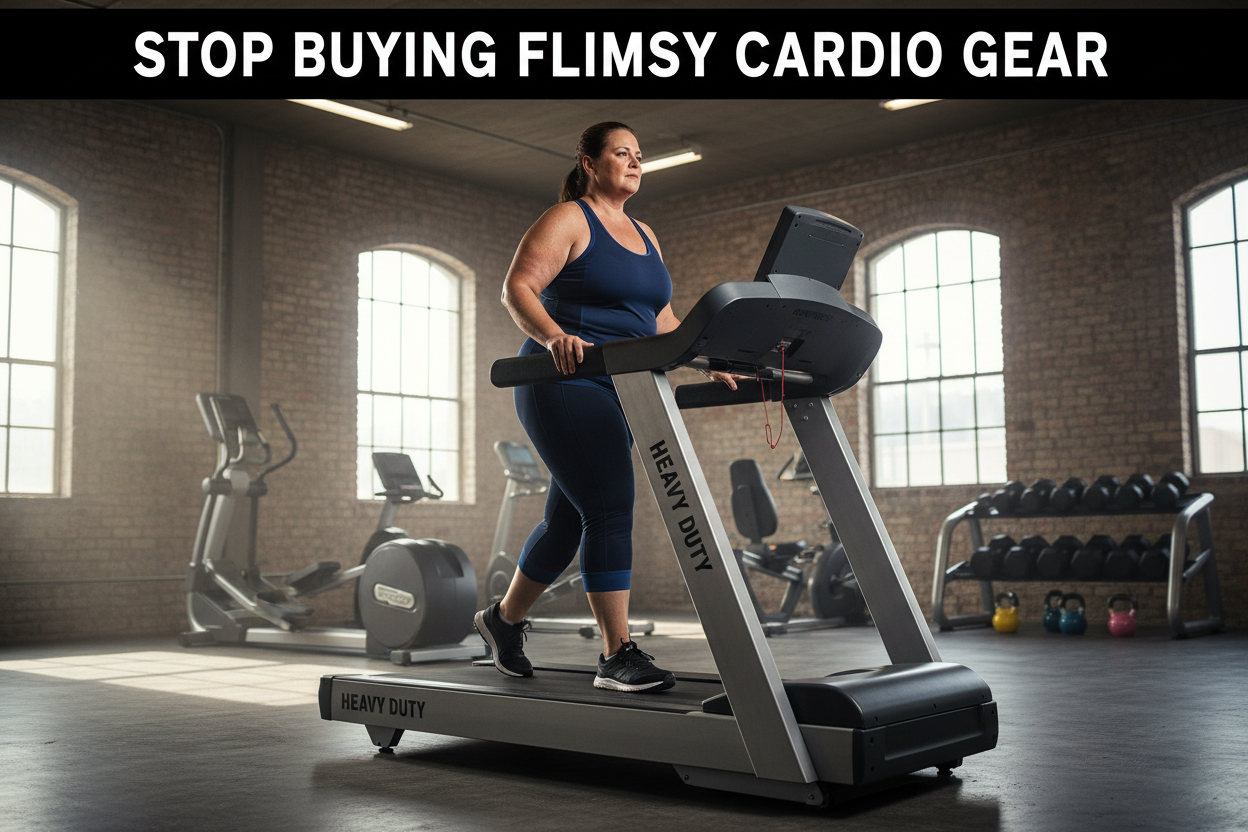
- Weight Limits: Most compact models support between 220 and 250 lbs; heavier runners should verify deck stability and frame gauge before buying.
- Maintenance: Regular belt lubrication is critical for a mobile treadmill, as the compact motors work harder to dissipate heat.
Core Specs to Look For
Motor Power and Belt Size
When shopping for a portable electric treadmill, the motor is your first bottleneck. A 1.5 CHP motor is fine for a light jog, but if you plan on serious cardio, you need 2.5 CHP or higher to prevent the motor from burning out. Equally important is the running deck. A standard portable running treadmill usually features a belt around 16 to 18 inches wide and 45 to 50 inches long. If you are over 6 feet tall, that shortened length will force you to artificially shorten your stride.
Build Material and Weight
Portability is a double-edged sword. A transportable treadmill needs to be light enough to move, but heavy enough to stay planted during a sprint. Look for frames made from aerospace-grade aluminum or high-density steel. Ideally, the unit should weigh between 80 and 110 pounds—light enough to roll on its transport wheels, but heavy enough to prevent side-to-side wobble when you pick up the pace.
Maximizing Your Home Gym Space
Apartment vs. Garage Setups
The beauty of a portable treadmill for home use is its versatility. In a basement or garage gym, you can easily wheel it out of the way when it is time to drop heavy deadlifts. In a high-rise apartment, noise and footprint are your biggest enemies. Look for models with built-in shock absorption to keep vibrations from annoying your downstairs neighbors. Make sure you measure the clearance under your sofa or bed—many manufacturers claim a machine folds flat, but the handrails or console often add unexpected bulk.
From Our Gym: Honest Take
We recently spent three months testing a highly-rated portable home treadmill in our 400-square-foot testing space. The folding mechanism was entirely hydraulic, which made transitions from storage to workout seamless. However, I noticed that during interval sprints at 8 mph, the lighter frame resulted in a slight deck flex.
At 190 lbs, I felt completely secure, but the console vibrated enough that reading a tablet was nearly impossible. The takeaway? These machines are incredible space-savers and fantastic for steady-state cardio, but if you are doing elite-level sprint training, you will miss the rigid anchor of a 300-pound commercial unit. Also, contrary to the marketing of the mythical portable sidewalk treadmill, these units are strictly for indoor, flat-surface use—keep them out of the elements to protect the motor housing.
Frequently Asked Questions
Is a portable running machine worth it for a home gym?
Absolutely, provided you have realistic expectations. If your primary goal is to get miles in without dedicating 20 square feet of permanent floor space to a machine, they are an excellent, cost-effective investment.
How much space do I need to store a mobile treadmill?
Most modern folding treadmills require a storage footprint of roughly 5 feet tall, 30 inches wide, and 8 to 10 inches deep when stored vertically. Always leave at least 6 feet of clearance behind the machine when in use for safety.
Can you actually run on a portable treadmill?
Yes, but speed limits vary. Many compact models cap out at 7 to 8 mph (roughly an 8-minute mile pace). If you are a faster runner, you must specifically seek out a model with a higher top speed and a longer belt to accommodate your natural running gait.