Plush Foam Mat: The Secret to Pain-Free Workouts
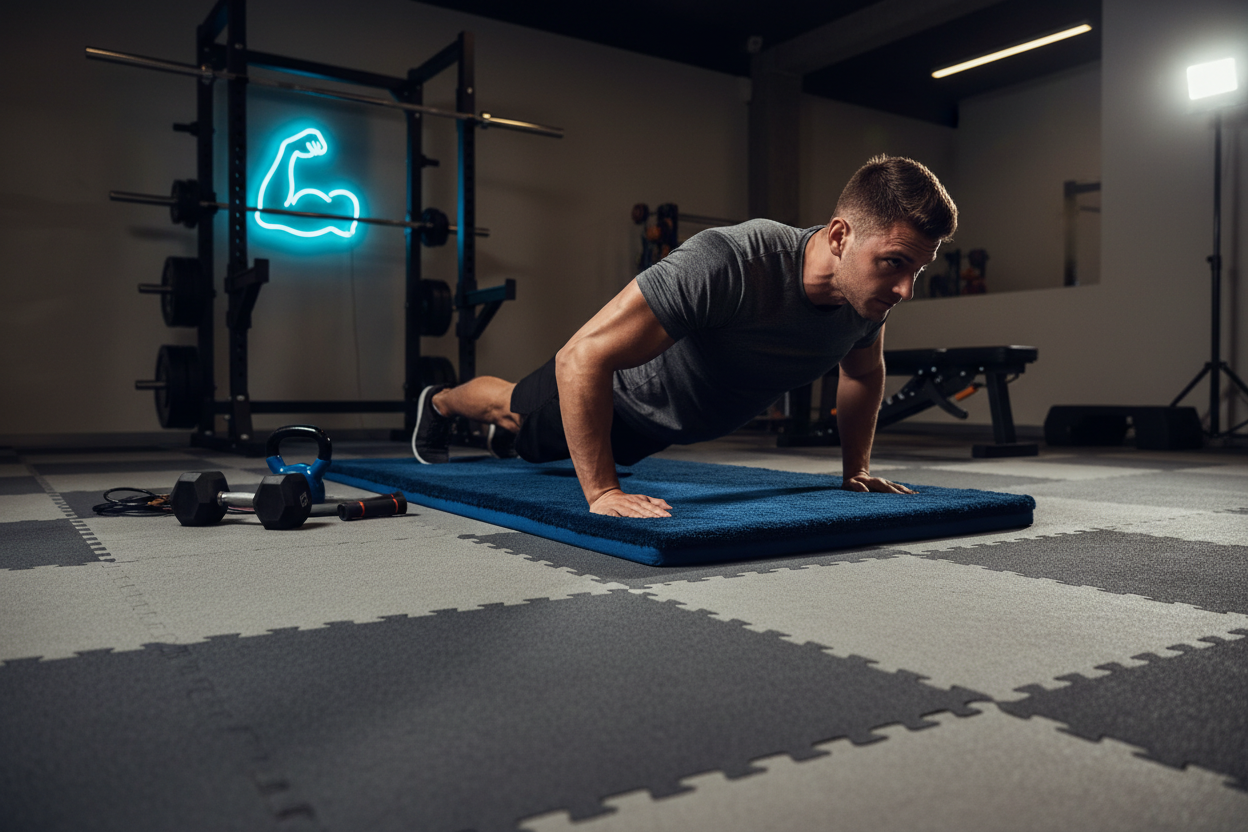
Building a home gym often starts with the heavy iron, but we frequently overlook the foundation right under our feet. If you have ever dreaded core circuits, yoga flows, or mobility work because your garage floor feels like a slab of solid ice, you are not alone. Investing in a high-quality plush foam mat is one of the easiest, most cost-effective ways to upgrade your training space.
However, not all gym flooring is created equal. Striking the right balance between comfort, stability, and longevity can be tricky. This guide will help you decide if that extra cushioning is exactly what your joints need, or if you should be looking at denser alternatives.
Key Takeaways
- Thickness Matters: Aim for 0.5 to 1 inch of thickness for optimal joint protection during floor-based movements.
- Targeted Use: Perfect for yoga, pilates, stretching, and bodyweight exercises, but poorly suited for heavy weightlifting.
- Density Checks: High-density EVA foam prevents you from sinking through to the hard floor beneath.
- Layout Flexibility: Interlocking designs allow for custom room coverage without the hassle of heavy, awkward rolls.
Choosing the Right Thickness and Density
Finding the Sweet Spot for Joint Relief
A common mistake when buying gym flooring is assuming that thicker always means better. While a thick mat feels like a cloud initially, if the foam density is too low, your knees and elbows will simply sink right through to the concrete underneath. You want to look for high-density EVA foam that provides a responsive bounce. A 3/4-inch to 1-inch mat offers the perfect sweet spot—thick enough to insulate against cold floors and protect your joints, but dense enough to provide a stable surface for balancing poses.
Space Planning for Your Home Gym Setup
Mats vs. Plush Foam Floor Tiles
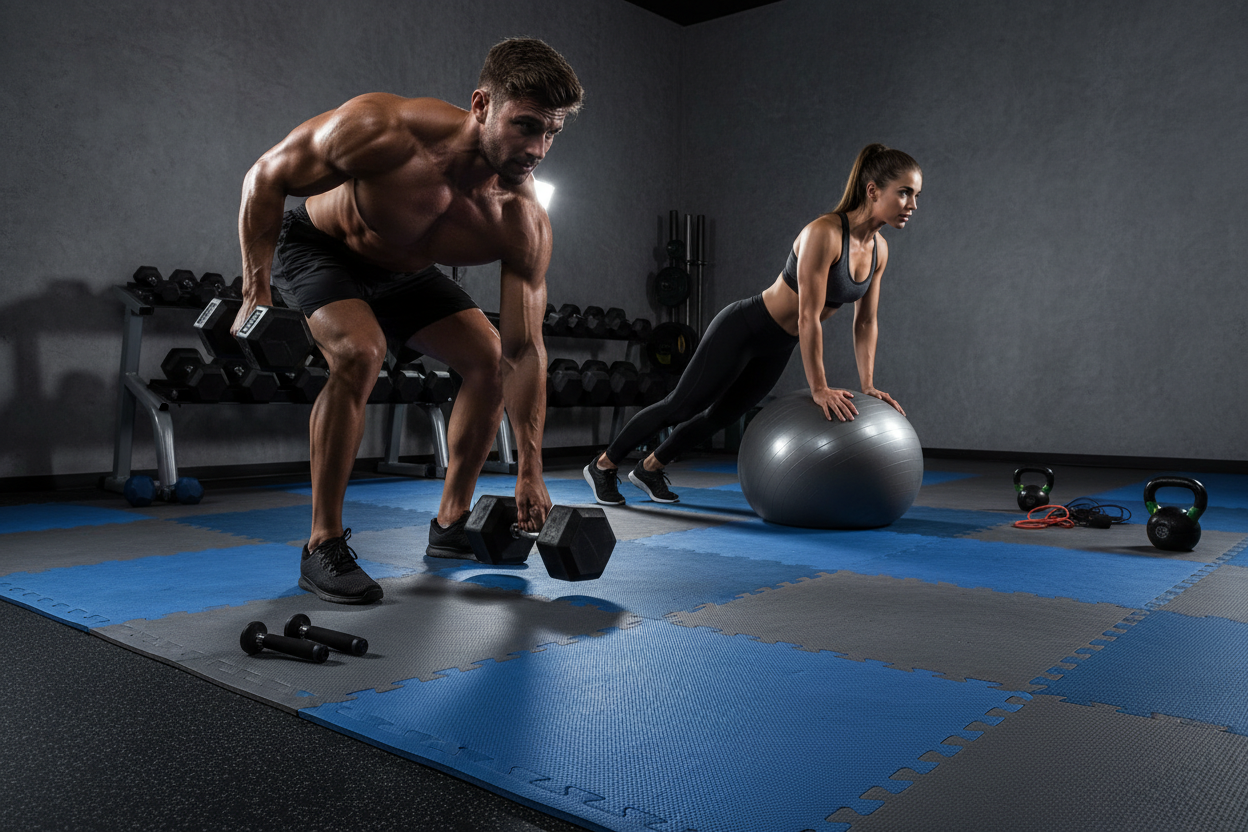
If you are outfitting a multi-use basement, an apartment corner, or an oddly shaped spare bedroom, a single roll-out mat might not fit your layout. This is where plush foam floor tiles shine. They allow you to customize your footprint, easily navigating around support beams, heavy furniture, or permanent fixtures. Plus, if one section gets scuffed or damaged over time, you only need to replace a single interlocking square rather than buying an entirely new mat.
Durability and Gym Maintenance
Protecting Your Investment
Plush materials are notoriously susceptible to scuffs from aggressive running shoes and permanent indentations from heavy dumbbells. To extend the lifespan of your flooring, treat it as a dedicated "socks or bare feet" zone. If you need a space for heavy deadlifts or dropping weights, invest in dense rubber stall mats for that specific area, and keep your foam mats strictly reserved for low-impact recovery and bodyweight work.
From Our Gym: Honest Take
I have tested dozens of flooring solutions in my own garage gym over the last five years. When I finally threw down a 1-inch thick plush foam mat in my dedicated stretching corner, my post-workout routine completely changed. My knees no longer ached during kneeling hip flexor stretches, and the material provided excellent insulation against the freezing winter concrete.
However, I learned the hard way about foam compression. I once left a 53-pound kettlebell resting on the mat overnight, and it took nearly a full week for the deep indentation to decompress. The lesson? Keep the heavy iron on the rubber flooring, and save the plush foam for your body. If you respect the material's limits, it will absolutely transform your recovery sessions.
Frequently Asked Questions
Can I put heavy gym equipment on a plush foam mat?
No. Heavy equipment like power racks, treadmills, or loaded barbells will permanently compress, warp, or even tear plush foam. You should always use high-density rubber flooring to support heavy, stationary gear.
Are plush foam floor tiles safe for high-intensity interval training (HIIT)?
While they offer excellent shock absorption, plush foam can become slightly slippery when wet with sweat and may shift during aggressive lateral jumps. They are much better suited for low-impact movements, static stretching, and core work.
How do I clean and maintain my foam gym mat?
Wipe it down with a damp cloth and a mild soap-and-water solution after sweaty sessions. Avoid harsh chemical cleaners or bleach, as these can break down the foam cells over time and ruin the plush texture.