Please Stop Buying Your Kid That Plastic Youth Weight Set
My thirteen-year-old son recently walked into my garage, looked at my 45-pound iron plates, and asked when he could start 'getting big.' My first instinct, like many parents, was to jump on Amazon and find a youth weight set. I saw the neon-colored, sand-filled plastic kits that look like they belong in a nursery rather than a gym. I almost clicked buy, but then I remembered the absolute headache those things caused me in my early twenties.
Quick Takeaways
- Plastic, sand-filled weights are a waste of money and usually leak within a month.
- Standardize on 2-inch Olympic plates so the gear grows with your teenager.
- Mastering dumbbells is the safest way to build a foundation before moving to a barbell.
- Safety gear like spotter arms is non-negotiable for teenagers lifting at home.
- Buy real equipment once instead of 'upgrading' cheap gear three times.
The Problem With 'Kid-Sized' Fitness Gear
The market is flooded with 'junior' lifting kits that are essentially toys. These sets are often made of blow-molded plastic shells filled with sand or concrete slurry. They feel cheap because they are cheap. Within weeks, the plastic starts to crack at the seams, and suddenly you have a trail of sand across your garage floor. Beyond the mess, the mechanics are terrible. The knurling—the texture on the bar that helps you grip—is either non-existent or so sharp it feels like a cheese grater.
These sets also have a weight capacity that a healthy teenager will outgrow in about six weeks. If your kid starts with a 40-pound total set, they'll be benching that for reps by the end of the first month. It is the exact same trap as the all-in-one weight set for home that you see on late-night infomercials. They promise a complete gym in a box but deliver a pile of plastic that ends up as a laundry rack. For a teenage weight set, you need materials that can actually survive a drop.
What a Proper Teenage Weight Set Actually Looks Like
If you want a weight set for teenager use that actually works, you need to look for two things: 2-inch holes and real iron or rubber. Avoid the 1-inch 'standard' bars. Why? Because every high school weight room and commercial gym in the country uses 2-inch Olympic plates. If you buy the 1-inch stuff, you are stuck in a dead-end ecosystem where you can't buy better plates later. A proper junior weight set should consist of a 15kg (33lb) or 20kg (44lb) barbell and a few pairs of plates.
Focus on longevity over flashy colors. You want a bar with a decent sleeve rotation so their wrists don't take the brunt of the force when they're cleaning or pressing. A solid weight set and bench combination is the baseline. This allows them to perform the 'big three' lifts safely while using equipment that feels like what they will eventually use in a high school sports program. Real iron doesn't lose its value, and it doesn't leak sand on your shoes.
Start With Dumbbells, Earn the Barbell
I am a firm believer that a teenager shouldn't touch a 45-pound barbell until they can demonstrate perfect form with a pair of weights for youth that they can actually control. Dumbbells force each side of the body to work independently. This fixes muscle imbalances before they become permanent problems. If your kid can't do 15 perfect goblet squats with a 20-pound dumbbell, they have no business putting a barbell on their back.
Developing those stabilizing muscles in the shoulders and core is what prevents injury. I recommend pairing their first set of youth weights with a sturdy adjustable weight bench. This teaches them how to stay tight during a press and gives them a stable platform. It is much easier to teach a kid to bail on a failed dumbbell press than it is to teach them how to escape from under a pinned barbell when they are lifting alone in the garage.
Setting Up a Safe Space to Fail
If you are putting a youth weight setup in your home, safety is your primary job. Teenagers are notoriously bad at judging their own limits. They will try to hit a personal best when you are inside the house making dinner. That is why a 'safe space to fail' is mandatory. This means a rack with spotter arms or a full cage. If the weight gets too heavy, the rack catches the bar, not the kid’s chest or neck.
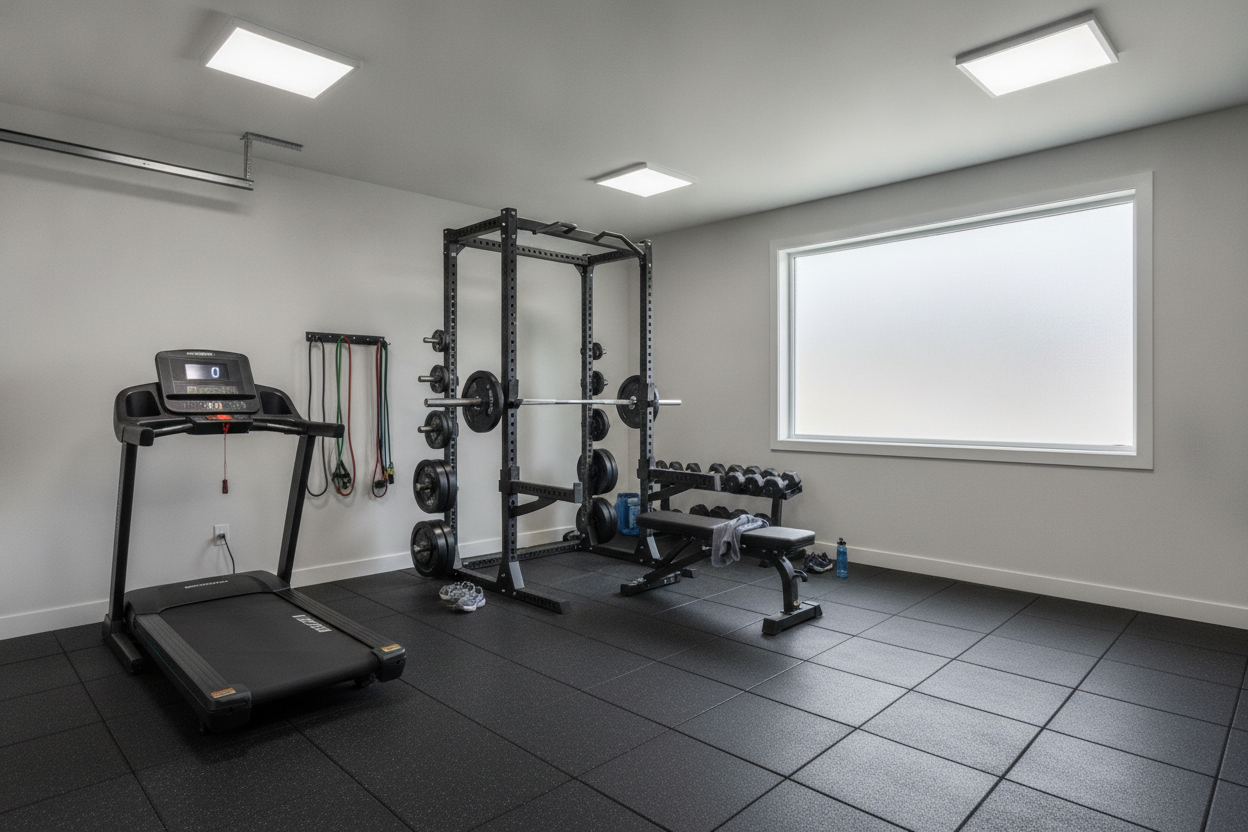
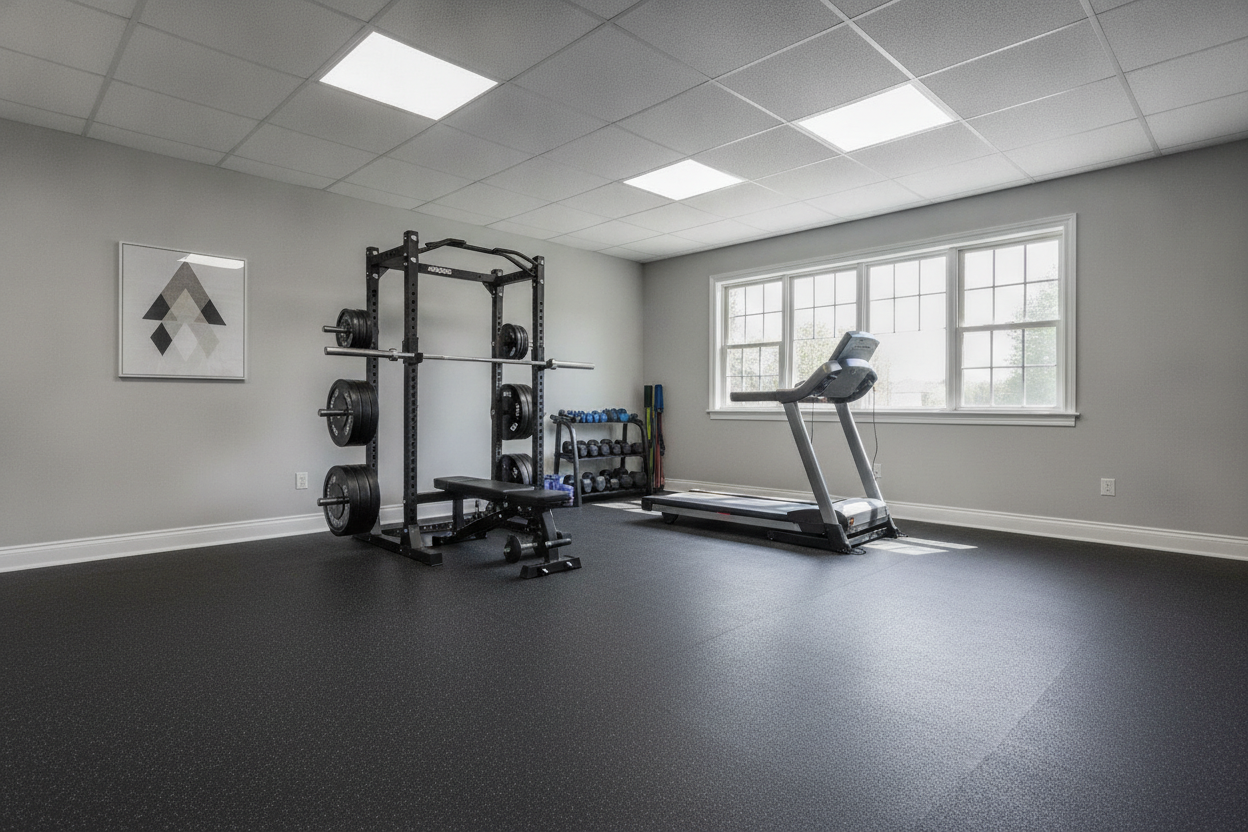
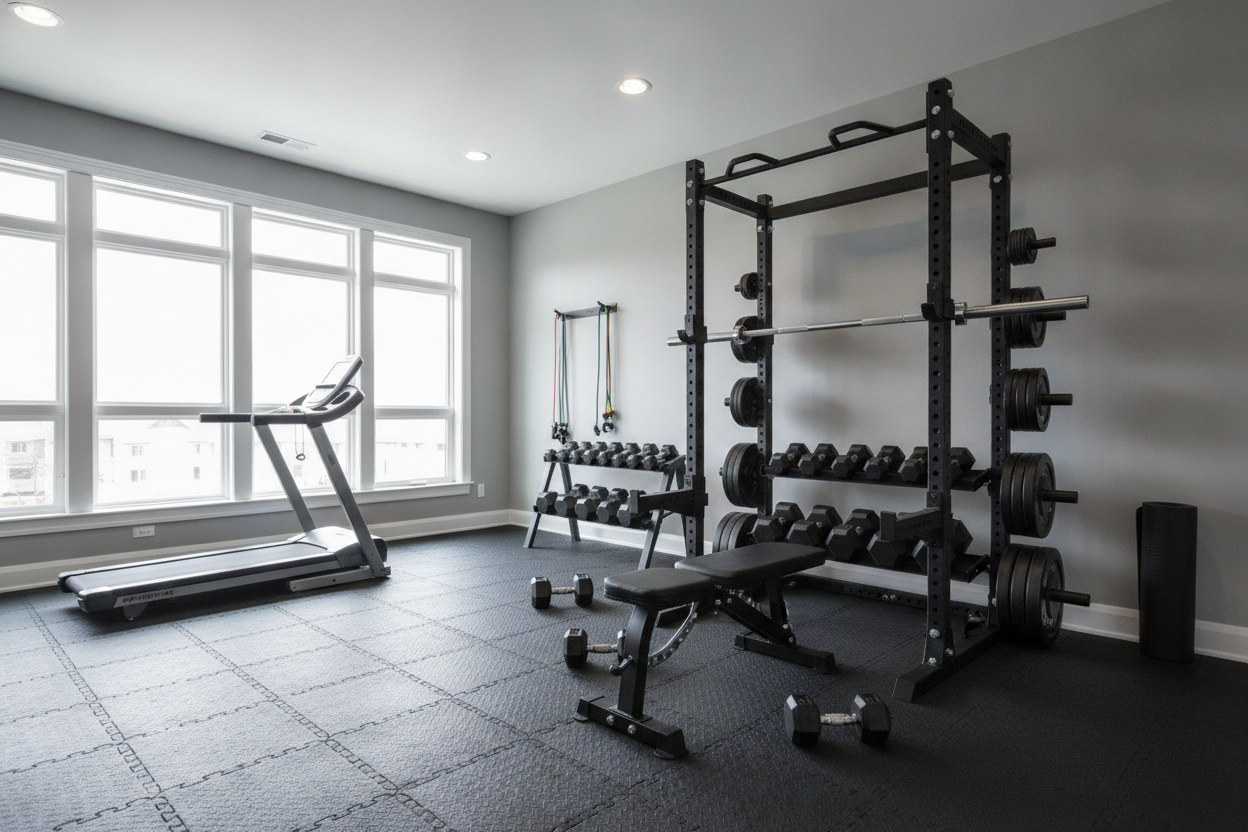
For a high school athlete, I always point parents toward a starter power rack with bumper plates. Bumper plates are made of dense rubber, meaning they can be dropped without shattering or destroying your foundation. This setup grows with them. When they get stronger, you just buy more plates. You aren't replacing the whole system every year. It’s a 700-lb capacity cage that will literally last until they move out for college.
Buy Once, Cry Once (Even for Your Kids)
I learned this lesson the hard way. When my oldest started, I bought a cheap 100-pound 'starter' set from a big-box store. Within three months, the bar was bent, the collars wouldn't stay tight, and I was back at the store buying the stuff I should have bought the first time. I pieced my gym together over years of trial and error, and I probably spent double what I would have if I just bought a quality iron set from day one.
The 'Buy Once, Cry Once' philosophy applies here. You might pay $100 more upfront for a real barbell and iron plates, but you won't be throwing them in a landfill next summer. Real weights hold their resale value, too. If your kid decides they’d rather play video games than lift, you can sell real iron on the used market for 70% of what you paid. Try doing that with a cracked plastic set filled with sand.
FAQ
Is lifting weights safe for kids?
Yes. The myth that lifting stunts growth has been debunked for decades. As long as they focus on form and have adult supervision, it is one of the best things they can do for bone density and athletic performance.
What is the best weight to start with?
Start with a weight they can move for 12-15 reps with perfect control. For most teenagers, this is a pair of 10lb or 15lb dumbbells. Don't worry about the 'max' yet.
Should I buy iron or bumper plates?
If you are lifting on concrete or in a garage, go with bumper plates. They are quieter, safer for the floor, and much more forgiving when a beginner inevitably drops the bar.