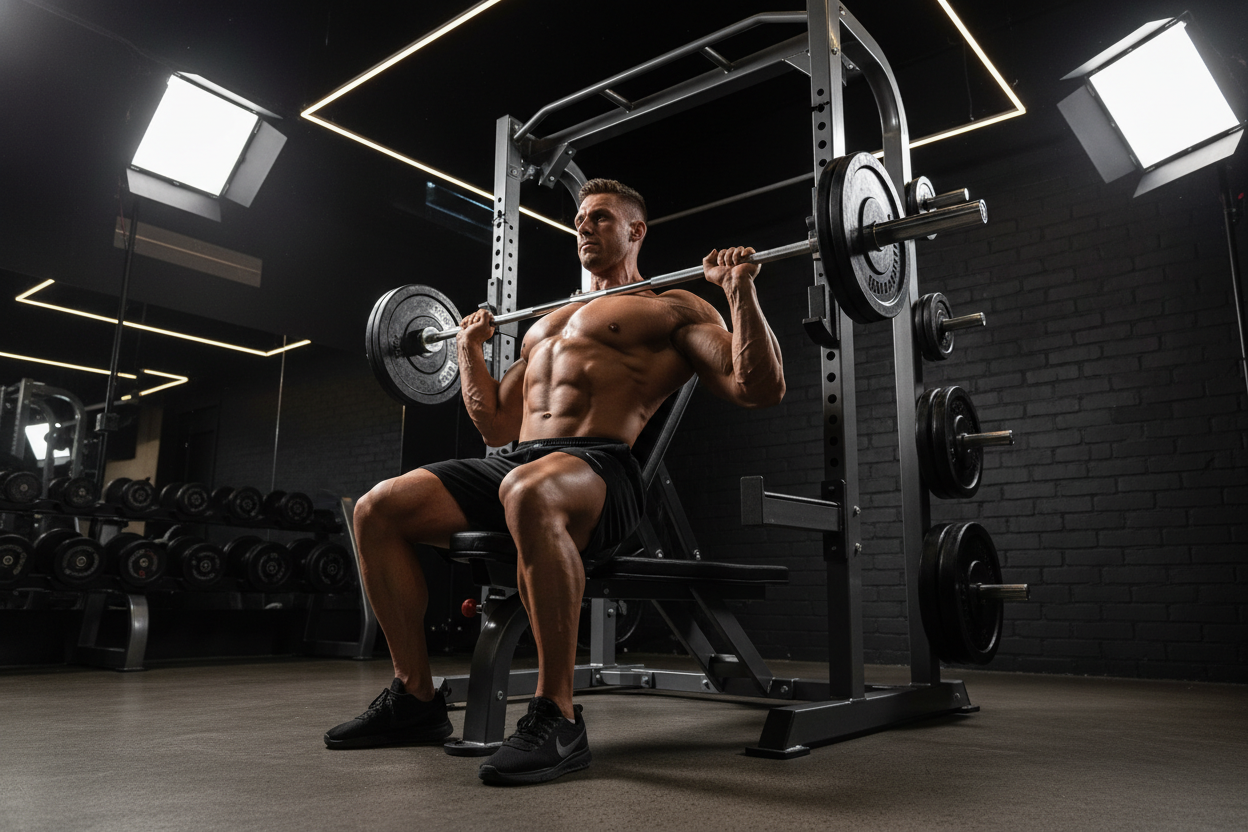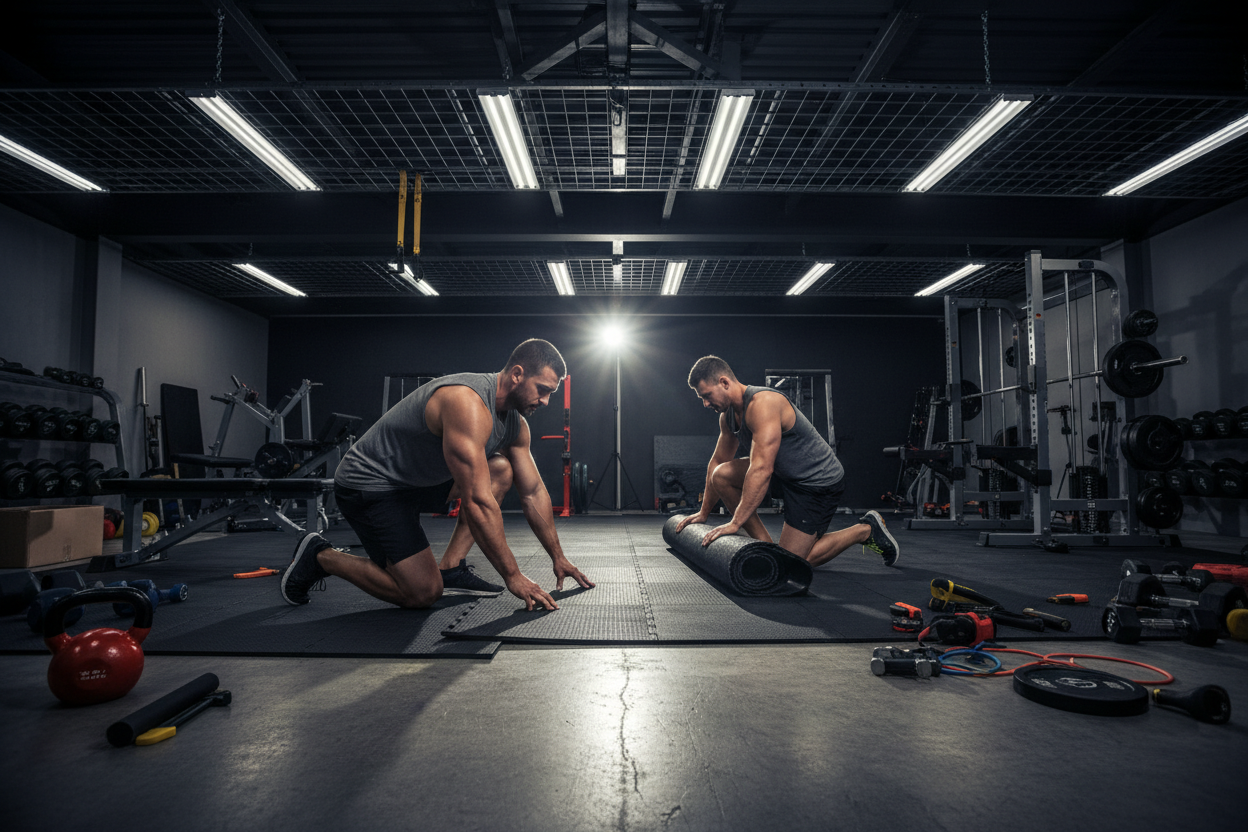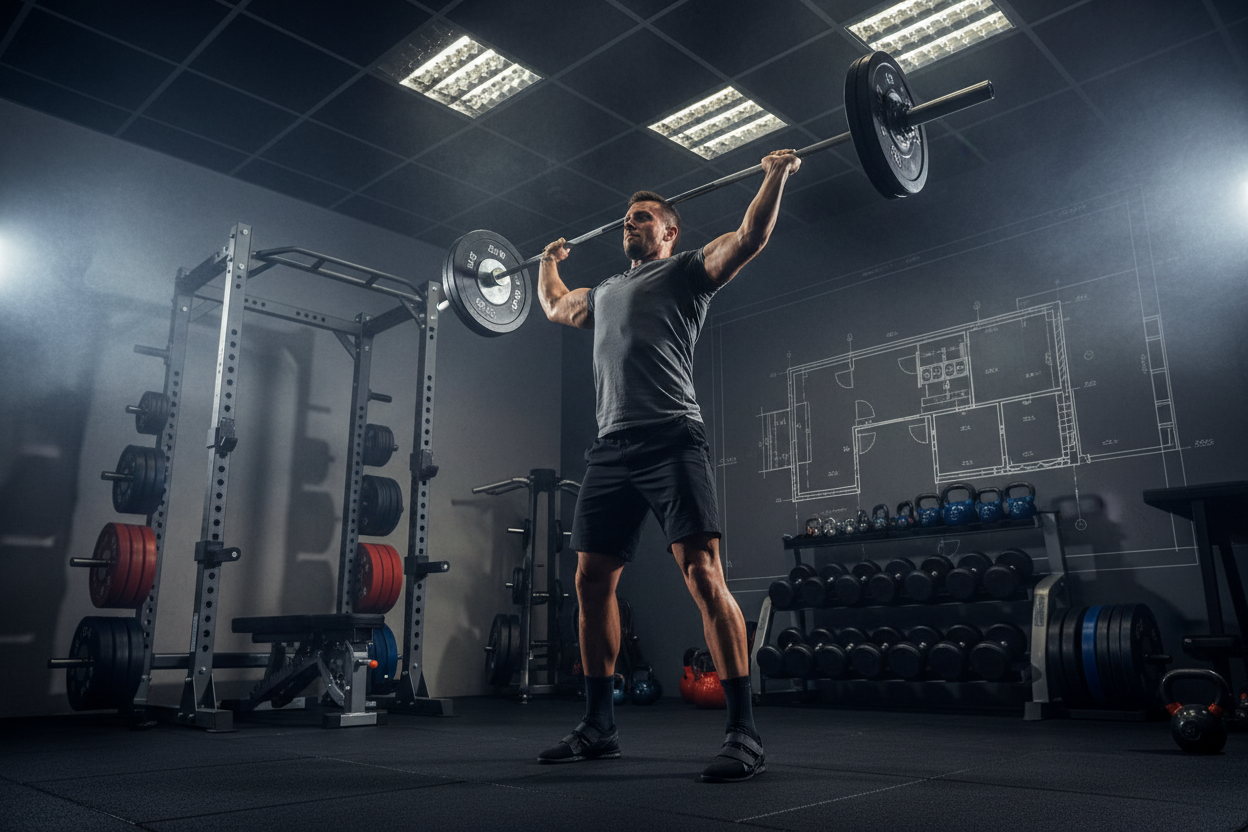
Olympic Lifting Home Gym: The Complete Blueprint for 2025
There is nothing quite like the feeling of hitting a heavy snatch or clean and jerk, but dropping a loaded barbell in your garage can feel like setting off a minor earthquake. If you are tired of commuting to a specialized weightlifting club, building an olympic lifting home gym might be your next major fitness milestone.
However, outfitting a space for dynamic, heavy drops requires much more planning than a standard powerlifting setup. From protecting your foundation to choosing a barbell with the right whip, this guide will walk you through exactly what you need to build a safe, durable, and high-performing weightlifting sanctuary.
Key Takeaways
- Flooring is priority number one: A dedicated 8x8 foot lifting platform with thick rubber stall mats is non-negotiable to protect your concrete.
- Ceiling clearance matters: Ensure you have at least 9 to 10 feet of vertical space to safely perform overhead movements like jerks and snatches.
- Invest in the barbell: Look for a needle bearing barbell with good whip and a 28mm shaft diameter for optimal rotation during the Olympic lifts.
- Choose the right bumpers: Virgin rubber bumper plates offer a dead bounce, while crumb rubber is more durable for rough garage environments but bounces higher.
Space and Flooring Requirements
The most critical difference between a standard garage gym and an olympic weightlifting setup is how the floor handles impact. Dropping hundreds of pounds from an overhead position generates massive kinetic energy.
Protecting Your Foundation
Never drop weights directly on bare concrete or standard interlocking foam tiles. You need a heavy-duty lifting platform. Most lifters opt for an 8x8 foot platform built from multiple layers of 3/4-inch plywood, topped with a center wood insert and flanked by 3/4-inch horse stall mats. This dissipates the shock, protects your barbell's bearings, and saves your foundation from cracking.
Essential Gear Breakdown
Olympic weightlifting is a minimalist sport in terms of equipment variety, but it demands maximum quality from the pieces you do buy.
The Barbell
Do not use a stiff power bar for the Olympic lifts. You need a dedicated weightlifting bar. Look for a 28mm shaft (25mm for women's bars) to allow for a secure hook grip. More importantly, the sleeves should spin on needle bearings rather than bushings. Bearings provide the fast, smooth turnover required to get under a heavy clean without wrecking your wrists.
Bumper Plates
Iron plates are out of the question. You will need a quality set of bumper plates. Competition-style urethane or virgin rubber plates are thinner, allowing you to load more weight on the bar, and they provide a low, predictable dead bounce. If you are on a budget or lifting on imperfect surfaces, recycled crumb rubber plates are incredibly durable, though they are thicker and bounce significantly higher.
Managing Noise and Vibration
If you live in a dense suburban neighborhood or share walls, noise mitigation is going to be a major hurdle.
Drop Pads and Insulation
Even with a premium platform, dropping weights is loud. Investing in a pair of high-density foam drop pads (often called crash cushions) can reduce noise and vibration by up to 70%. They are relatively inexpensive, easily stored, and can save you from noise complaints during early morning training sessions.
From Our Gym: Honest Take
When I first transitioned my garage into an olympic lifting home gym, I made a rookie mistake: I underestimated my ceiling height. At 6'1", I was thrilled to have 8.5-foot ceilings, but once I added the 1.5-inch thickness of my DIY lifting platform and wore my raised-heel lifters, I was clipping the ceiling drywall with my 45-pound bumper plates during overhead squats.
I also initially tried to save money by using a hybrid bushing bar. After six months of heavy cleans, my wrists were paying the price. Upgrading to a true 28mm needle-bearing bar was night and day—the turnover was lightning fast, and the aggressive knurling held my chalked grip perfectly without tearing my calluses. My advice? Spend the extra money on the barbell and build the platform yourself to offset the cost.
Frequently Asked Questions
How much space do I need for an Olympic lifting setup?
At an absolute minimum, you need an 8x8 foot footprint for the lifting platform itself, plus enough room to safely load the bar and store your plates. A 10x10 foot area is the recommended starting point for a comfortable setup.
Can I put an Olympic lifting setup on a second floor?
It is highly discouraged. The dynamic load of dropping heavy weights can cause severe structural damage to standard residential floor joists. Olympic lifting setups should be placed on a ground-floor concrete slab, such as a garage or basement.
Do I really need a bearing barbell?
If you are serious about the snatch and clean and jerk, yes. Bushing bars are fine for powerlifting and general fitness, but bearing bars provide the fast, frictionless sleeve rotation necessary to safely catch the bar during explosive Olympic lifts.