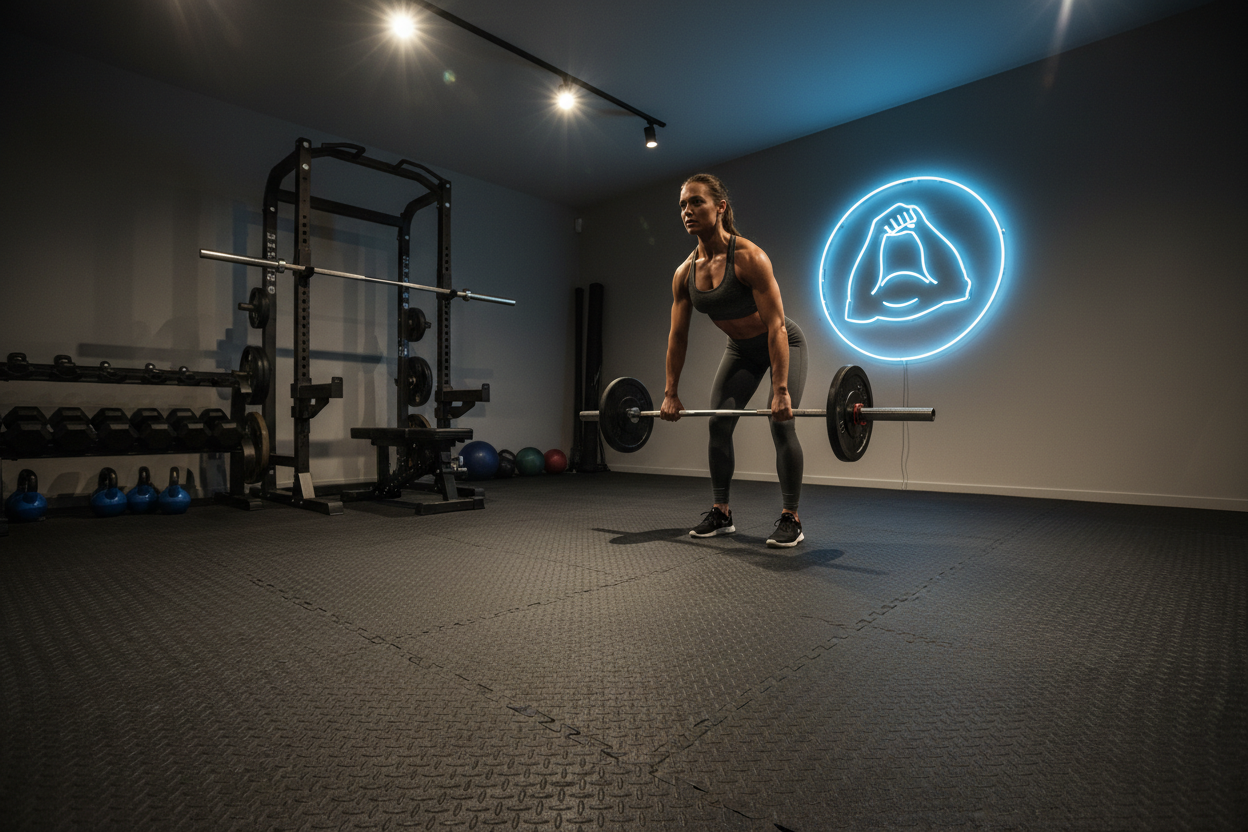
Non Toxic Gym Mat: The Secret to a Healthier Home Gym
If you have ever unrolled cheap flooring in a closed garage or basement, you know the instant headache that follows. That harsh, tire-shop odor isn't just unpleasant; it's a sign of chemical off-gassing. For anyone prioritizing their health, upgrading to a non toxic gym mat is one of the most important investments you can make for your training space.
We train to improve our well-being, yet breathing in volatile organic compounds (VOCs) between heavy sets completely defeats the purpose. In this guide, we will break down exactly how to find gym flooring that doesn't smell, what materials to trust, and how to build a safer, cleaner home workout environment.
Key Takeaways
- Look for low voc gym flooring made from virgin rubber or high-grade TPE rather than recycled tire crumbs.
- Proper ventilation and a short 'bake-out' period can eliminate lingering odors even in non-toxic materials.
- A true non toxic rubber mat will not emit strong chemical smells or cause eye and throat irritation.
- Expect to pay a slight premium for non toxic home gym flooring, but the long-term health benefits and durability are worth it.
Understanding Off-Gassing and VOCs
What Are VOCs in Gym Flooring?
Volatile Organic Compounds (VOCs) are chemicals that easily evaporate at room temperature. In cheap gym mats, these often include formaldehyde, benzene, and phthalates used during the manufacturing process. When you unbox a new mat and it reeks of chemicals, those are VOCs releasing into your air. Investing in low voc gym flooring ensures that your indoor air quality remains safe, especially in poorly ventilated basements or spare bedrooms.
The Danger of Cheap Recycled Rubber
Many budget-friendly mats are made from recycled car tires bonded together with toxic adhesives. While great for the environment in an outdoor playground setting, they are terrible for a closed-door home gym. To avoid this, you need non-toxic gym flooring specifically rated for indoor use, which utilizes cleaner binding agents and undergoes a purification process.
Choosing the Right Material for Your Space
Virgin Rubber vs. Recycled Tires
If you drop heavy weights, rubber is non-negotiable. However, instead of recycled crumb rubber, look for a non toxic rubber mat made from virgin rubber. Virgin rubber is manufactured without the harsh chemicals found in tires, meaning it lacks that pungent odor. It also tends to have a smoother, less porous finish, making it easier to mop up sweat and chalk.
TPE and High-Density EVA Foam
If you are mostly doing yoga, bodyweight exercises, or light dumbbell work, Thermoplastic Elastomer (TPE) is a fantastic alternative to rubber. TPE is naturally free of PVC, phthalates, and heavy metals. While not as impact-resistant as low voc rubber flooring, it provides excellent cushioning and zero off-gassing right out of the box.
From Our Gym: Honest Take
When we first built out our 400-square-foot garage gym, we tried to save money by buying horse stall mats from a local farm supply store. Big mistake. During the humid summer months, the smell was so overwhelming we had to leave the garage door open just to breathe during squats. We eventually ripped them out and replaced them with premium non toxic rubber flooring.
The difference was night and day. The new mats had a very faint 'new sneaker' smell that completely dissipated within 48 hours. I also noticed the virgin rubber had a denser, grippier texture. My feet felt completely locked in during heavy deadlifts, and chalk dust wiped off easily without getting trapped in the pores. The only caveat? It cost about 30% more upfront, but for the sake of our lungs and comfort, I would pay that premium again in a heartbeat.
Frequently Asked Questions
Do all rubber gym mats smell?
Almost all rubber will have a slight odor when brand new, but a high-quality non toxic gym mat will smell more like a new pair of shoes rather than a chemical factory. This mild scent should fade completely within a few days in a well-ventilated room.
How do I speed up the off-gassing process?
Even with low voc gym flooring, it helps to unroll the mats outdoors or in an open garage for 24 to 48 hours. You can also mop them with a mixture of warm water and mild dish soap to remove any residual factory oils from the surface.
Is a non toxic rubber mat durable enough for deadlifts?
Absolutely. High-density virgin rubber mats are engineered for commercial gym abuse. A 3/8-inch to 1/2-inch thick mat will easily protect your concrete floors and your barbell plates from heavy, repeated drops.