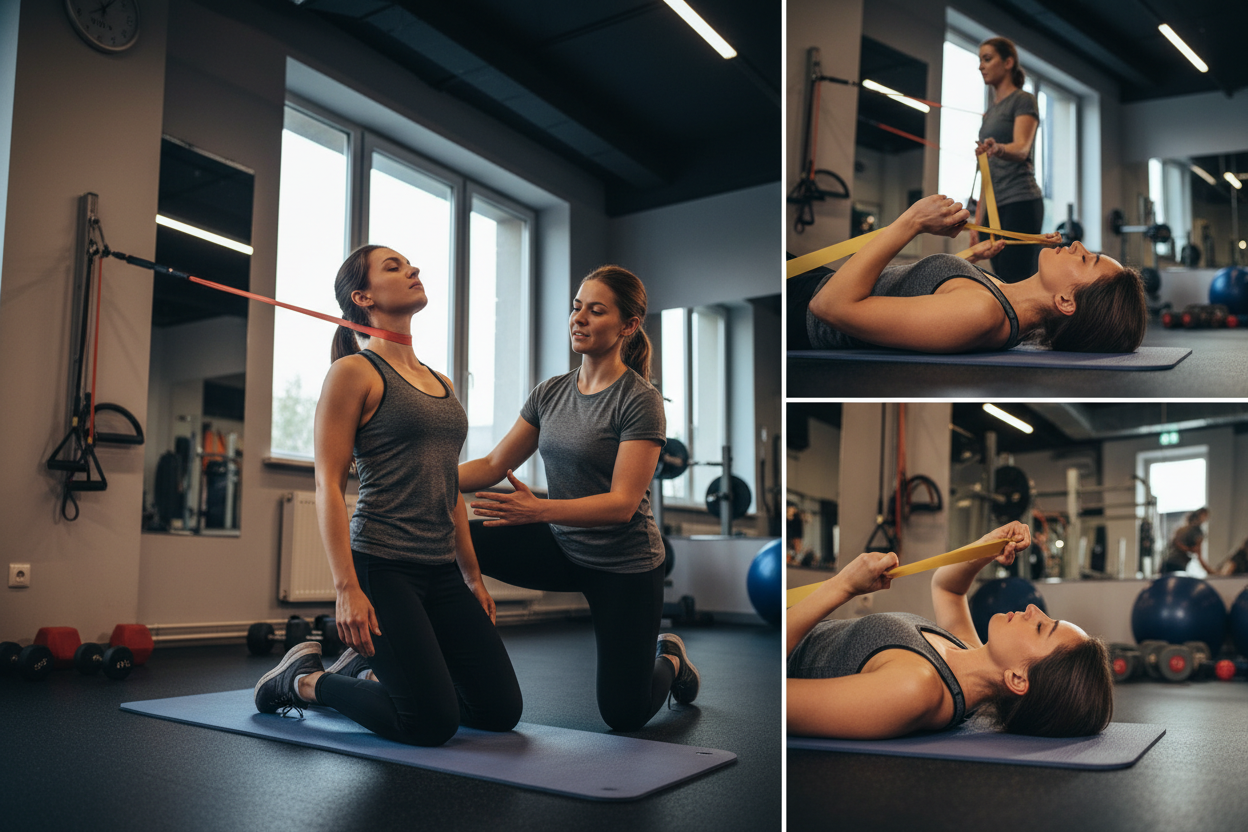
Physical Therapy for Neck Pain and Everyday Relief
Waking up with persistent stiffness or fighting a dull ache after hours at a desk makes basic tasks exhausting. When discomfort sets in, many people rely on temporary fixes that address just the symptoms rather than the underlying causes. Choosing physical therapy for neck pain provides a structured, long-term pathway toward comfortable movement by retraining supportive tissues rather than merely masking aches.
Whether irritation stems from car accidents, heavy lifting routines, or an old previous injury, guided rehabilitation helps calm irritated areas while rebuilding stability. A licensed physical therapist looks at how your cervical spine moves, how daily desk setups create strain, and what specific steps can relieve pain without causing further irritation.
A Thorough Assessment to Find the Root Cause
Effective rehabilitation begins with a comprehensive evaluation. During this initial visit, a physical therapist performs a detailed evaluation of your cervical spine range of motion, joint stiffness, and muscle tension. Neck pain rarely develops in isolation; common complaints often involve the upper back, clavicle region, and upper body support systems.
During an evaluation, a clinician observes your posture while standing, sitting, and turning your head. They check for signs of radiating pain, nerve sensitivity, or tension headaches that travel toward the temples or behind the eyes. By testing how you move during everyday activities, they pinpoint whether your symptoms come from joint compression, muscular fatigue, or ligament stress. For a deeper look at how adjacent spinal regions influence cervical health, our upper back and neck recovery guide explains how movement throughout the spine connects.
Manual Therapy and Modalities for Early Pain Relief
When irritation is acute, physical therapy offers passive treatments to calm guarding before advancing to loaded movement. A clinician often utilizes targeted manual therapy, such as soft-tissue mobilization and gentle joint glides, to decrease sensitivity around tight neck muscles.
Clinics may also integrate modalities like moist heat or electrical stimulation to ease acute muscle spasms. While passive techniques do not rebuild muscle capacity on their own, they provide a comfortable baseline so you can perform basic stretches without significant discomfort. Once extreme tightness begins to decrease, active rehabilitation can take priority.
Addressing Poor Posture and Daily Habits
Modern work environments often require individuals to spend hours fixed in the same position. When people slump over laptop screens or mobile devices, poor posture places continuous leverage on the cervical spine. This persistent forward-head alignment forces upper shoulder muscles and posterior neck tissues to work overtime simply to keep the head level.
Poor posture is a frequent contributor to everyday stiffness, but correcting it involves more than simply reminding yourself to sit upright. A physical therapist helps identify postural issues across your workspace, suggesting changes to monitor height, chair lumbar support, and keyboard distance. Modifying daily movement patterns prevents repetitive strain from reigniting inflammation during standard workdays.
Targeted Movements and Strengthening Exercises
Long-term resilience requires active training that builds endurance in stabilizers around the head and shoulders. Strengthening exercises focus on deep cervical flexors and scapular stabilizers, especially those that anchor the shoulder blades without overburdening the upper traps.
- Chin Tucks: Sit tall, keep your gaze level, and draw your chin straight back as if making a subtle double chin. This motion lengthens tight suboccipital tissues while activating the deep neck flexors responsible for cervical stability.
- Scapular Retraction: Gently squeeze the shoulder blades together and slightly downward, holding for a few seconds before relaxing. This reinforces postural support across the upper back and eases pull on the cervical spine. You can consult our guide to neck and shoulder exercises for complementary upper-body routines.
- Gentle Isometric Holds: Place a hand against your forehead, temple, or the back of your head, pressing lightly while keeping your head completely still. These contractions engage neck muscles safely without placing shearing stress on delicate cervical joints.
- Chest and Upper Trap Stretches: Gentle doorway stretches open tight pectoral muscles that pull the shoulders forward, creating a more balanced base for the neck.
In my own experience balancing long writing hours with desk work, taking two minutes every few hours for basic chin retractions prevented tension from building up by late afternoon.
How to Reduce Pain and Manage Flare Ups
Recovery is rarely completely linear. Occasional flare ups can occur when sleeping in an awkward position, carrying heavy travel bags, or experiencing high stress. Knowing how to reduce pain during minor setbacks keeps recovery moving in the right direction without creating anxiety.
When symptoms return, temporary adjustments make a noticeable difference. Lighten overhead loads, take frequent standing breaks, and rely on gentle active range of motion rather than aggressive stretching. If post-session soreness lingers longer than expected, our overview on shoulder pain after physical therapy provides context on normal workout responses versus overtraining.
Everyday Habits for Lasting Spinal Comfort
Sustaining neck comfort over months and years comes down to consistent movement habits. Simple lifestyle changes like switching to a supportive pillow, holding mobile phones at eye level, and walking daily help nourish spinal discs and prevent joint stiffness. By staying engaged with gentle strength routines, you equip your neck to handle daily work and physical hobbies without recurring discomfort.