My Knees Forced Me to Find the Best Low-Impact Strength Training
I remember the exact moment my ego met its match. It was a Tuesday morning, and I was staring at a 315-pound barbell. My knees weren't just sore; they were screaming. I realized that if I didn't change my approach, I'd be out of the gym for good by age 45. I had to pivot to the best low-impact strength training methods to stay in the game.
For years, I looked down on anything labeled 'low impact.' I thought it was synonymous with 'low effort.' I was wrong. By focusing on tension instead of sheer tonnage, I’ve actually built more visible muscle in my 40s than I did in my 20s, all while my joints finally stopped feeling like they were filled with broken glass.
Quick Takeaways
- Low-impact does not mean low intensity; you can still reach muscular failure.
- Tempo is your greatest tool for protecting tendons while torching muscle fibers.
- Stability is key—using a bench or machine reduces the 'shear' force on joints.
- Isometrics are the secret weapon for low-impact strength training no equipment style.
Why We Need to Stop Equating 'Low-Impact' with 'Easy'
There is a massive misconception that if you aren't jumping on boxes or slamming heavy deadlifts, you aren't training hard. That is total nonsense. The reality of low impact muscle building is that your muscles don't know how much weight is on the bar; they only know how much tension they are under.
When you remove the 'impact'—the ballistic movements and the jarring heavy singles—you actually force the muscle to do more work. Think about a standard squat versus a slow, controlled goblet squat with a three-second pause at the bottom. The latter might use half the weight, but the metabolic stress on the quads is significantly higher. You aren't 'taking it easy'; you're taking the load off your cartilage and putting it on the muscle belly where it belongs.
I’ve found that high-tension, controlled movements allow me to train five days a week without the systemic fatigue that used to leave me glued to the couch on weekends. It’s about longevity. If you can't train because your lower back is blown out, your 'high-impact' gains don't mean much.
The Difference Between Joint Stress and Muscle Tension
In the world of low intensity weight lifting, we talk a lot about 'shear' versus 'compression.' Heavy, fast movements often create shear forces that tug at your ligaments. By slowing things down, we transition that load into pure muscle tension. This is the hallmark of low impact weight lifting exercises.
I started using a 4-0-2-0 tempo. That’s four seconds on the way down, no pause, and two seconds on the way up. Try doing that with a set of bicep curls or lunges. You’ll find that a 20-pound dumbbell feels like 50 pounds by the eighth rep. This approach prioritizes the 'muscle-mind connection' and ensures that your connective tissue isn't doing the heavy lifting for you.
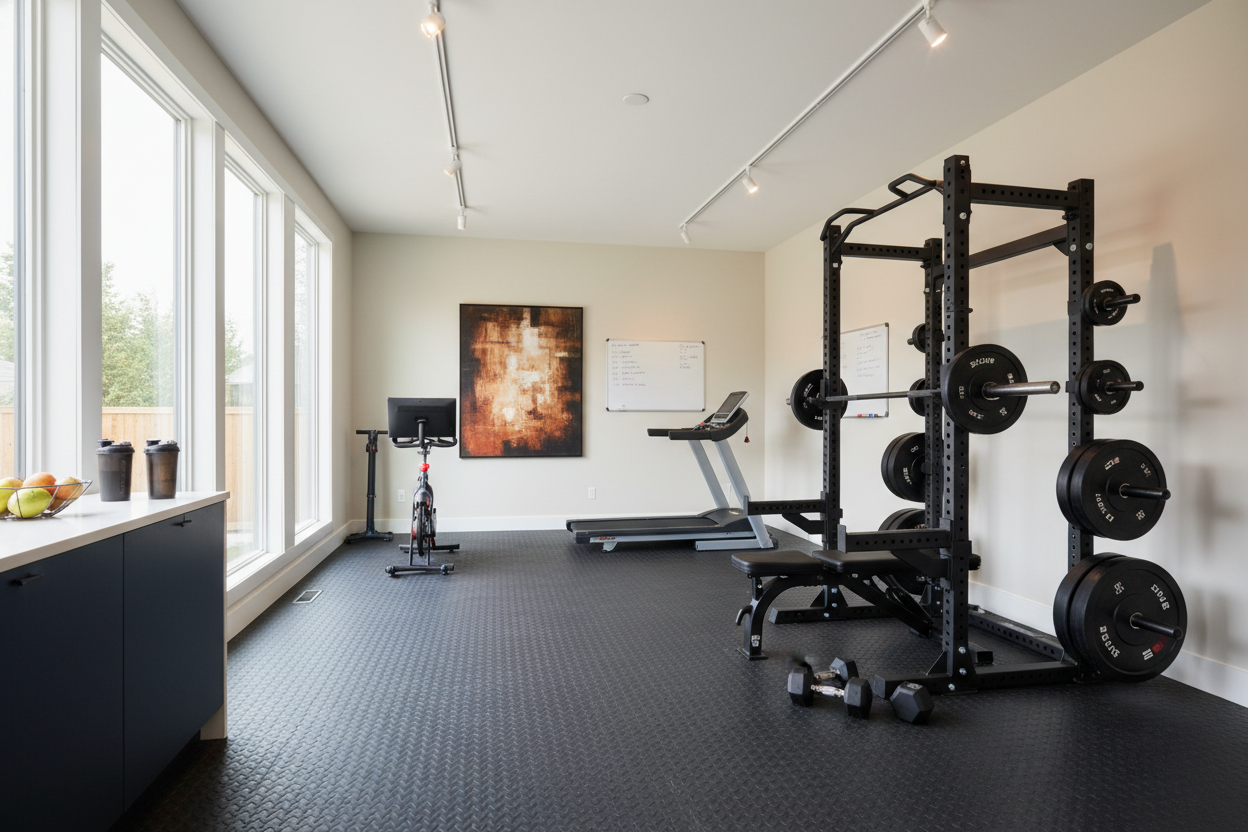
It’s a shift in mindset. You stop asking 'How much can I lift?' and start asking 'How much can I make this muscle work?' This is how you achieve low impact weight training at home without needing a 500-pound plate set in your garage.
My Go-To Full Body Low-Impact Workout With Weights
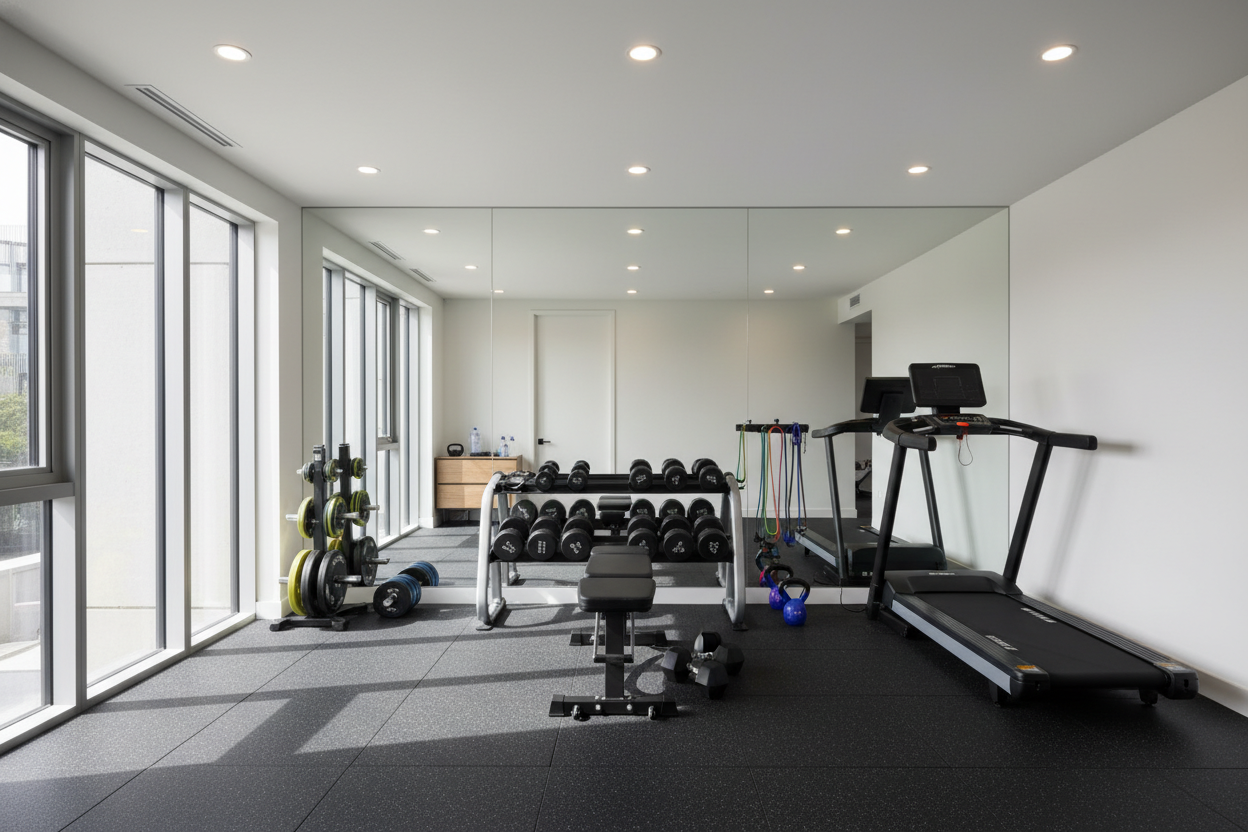
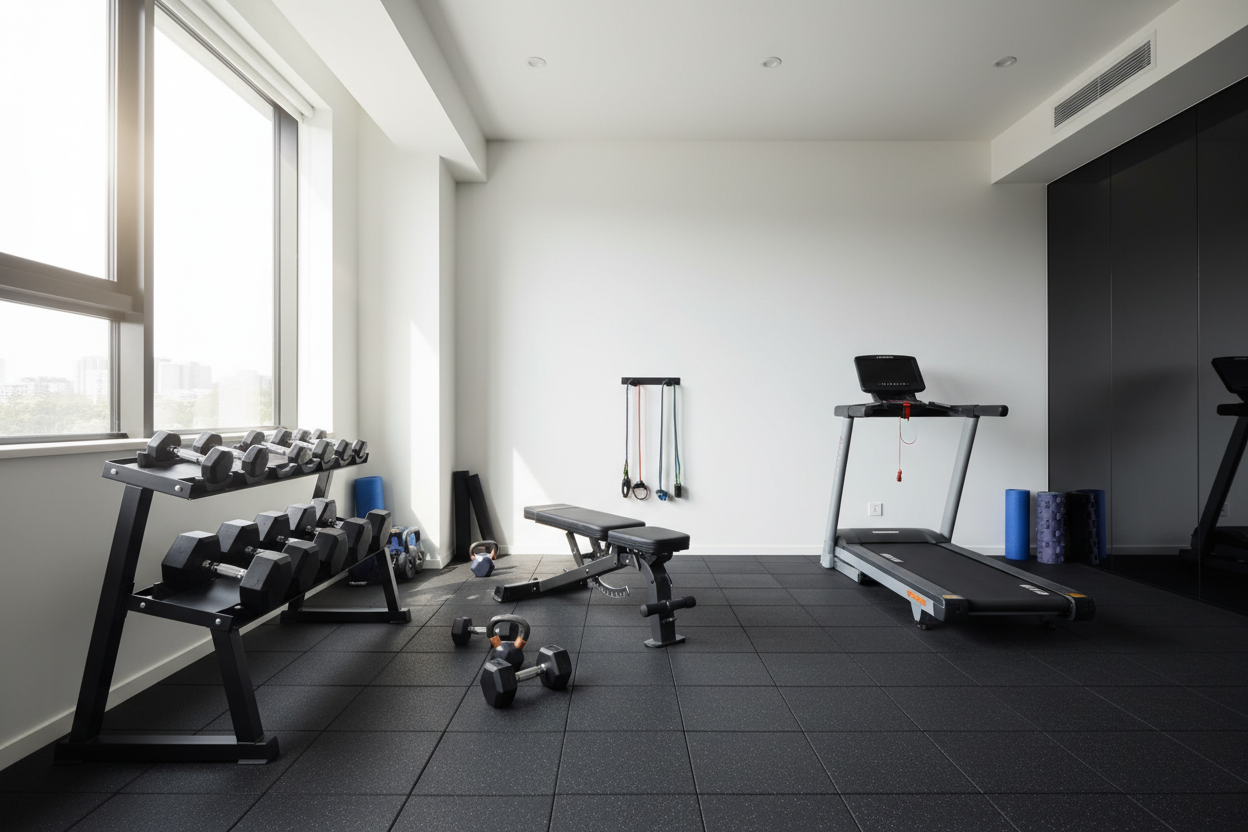
When I’m training in my garage, I stick to a core group of low impact dumbbell exercises. I start with seated movements whenever possible. Standing overhead presses are great, but they put a lot of vertical compression on an aging spine. By sitting on a sturdy adjustable weight bench, I can isolate my shoulders and chest without my lower back trying to compensate for the load.
A typical session looks like this:
- Seated Dumbbell Press: 3 sets of 12 (4-second eccentric).
- Chest-Supported Rows: 3 sets of 15 (squeezing the blades for 2 seconds).
- Goblet Squats: 3 sets of 20 (limiting range to keep tension on quads).
- Seated Lateral Raises: 3 sets to failure.
What About When You Have Zero Gear?
You don't actually need a rack to get a brutal workout. When I’m traveling, I rely on low-impact strength training no equipment techniques. The most effective tool here is the isometric hold. Hold the bottom of a split squat for 45 seconds. Your legs will shake more than they ever did during a set of heavy triples.
I also use 'sliding' movements. Using a pair of towels on a hardwood floor for hamstrings curls or lateral lunges provides a smooth, constant tension that is incredibly joint-friendly. It removes the 'stop-start' jarring motion that usually irritates my hips. It’s about creating resistance through friction and control rather than gravity and iron.
Machines vs. Free Weights for Joint Longevity
I love dumbbells, but there is a time and place where weight lifting machines are superior. Machines provide a fixed path of motion. This is huge for low impact weight lifting exercises because it eliminates the need for your stabilizer muscles to fight for balance, which is often where joint 'tweaks' happen.
For example, a leg press or a hack squat machine allows you to hammer your legs to absolute failure without worrying about your balance or your lower back rounding. If you have access to a cable crossover machine, use it. Cables provide constant tension throughout the entire range of motion, something dumbbells just can't do because of the strength curve and gravity. I’ve found that cable flyes are far kinder to my shoulders than heavy dumbbell presses ever were.
The Starter Blueprint for Banged-Up Lifters
If you're just getting back into it, don't try to PR your deadlift on day one. Start with low impact weight training for beginners by focusing on bodyweight movements and very light weights to master the tempo. You need to 're-map' your brain to feel the muscle contracting rather than just moving a weight from point A to point B.
I usually recommend people start with a structured low impact weights routine to get the hang of the pacing. Once you understand how to keep the tension on the muscle and off the joint, you can start adding load. Don't rush it. The goal is to be training for the next thirty years, not just the next thirty days.
FAQ
Can you really build muscle with low-impact workouts?
Absolutely. Hypertrophy is driven by mechanical tension, metabolic stress, and muscle damage. You can achieve all three with slow, controlled, low-impact movements. You don't need to jump to grow.
What is the best equipment for low-impact training?
Dumbbells and a high-quality adjustable bench are the foundation. If you have the space, a cable machine or a functional trainer is the gold standard for joint-friendly resistance.
How often should I do low-impact strength training?
Because the systemic recovery demand is lower than heavy powerlifting, many people find they can train 4-5 days a week effectively. Just listen to your body and adjust volume if you feel 'stale.'