Mats Gymnastics and Physical Fitness Center Setup Guide
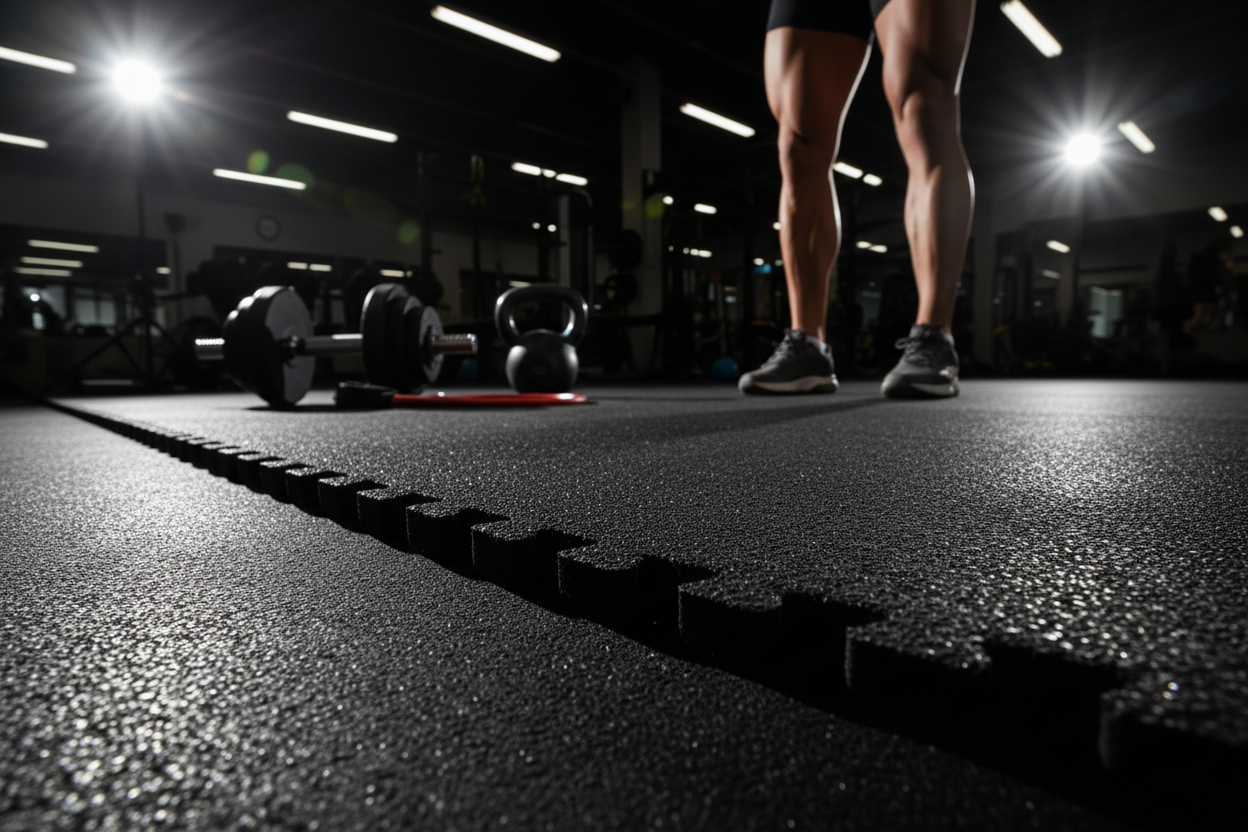
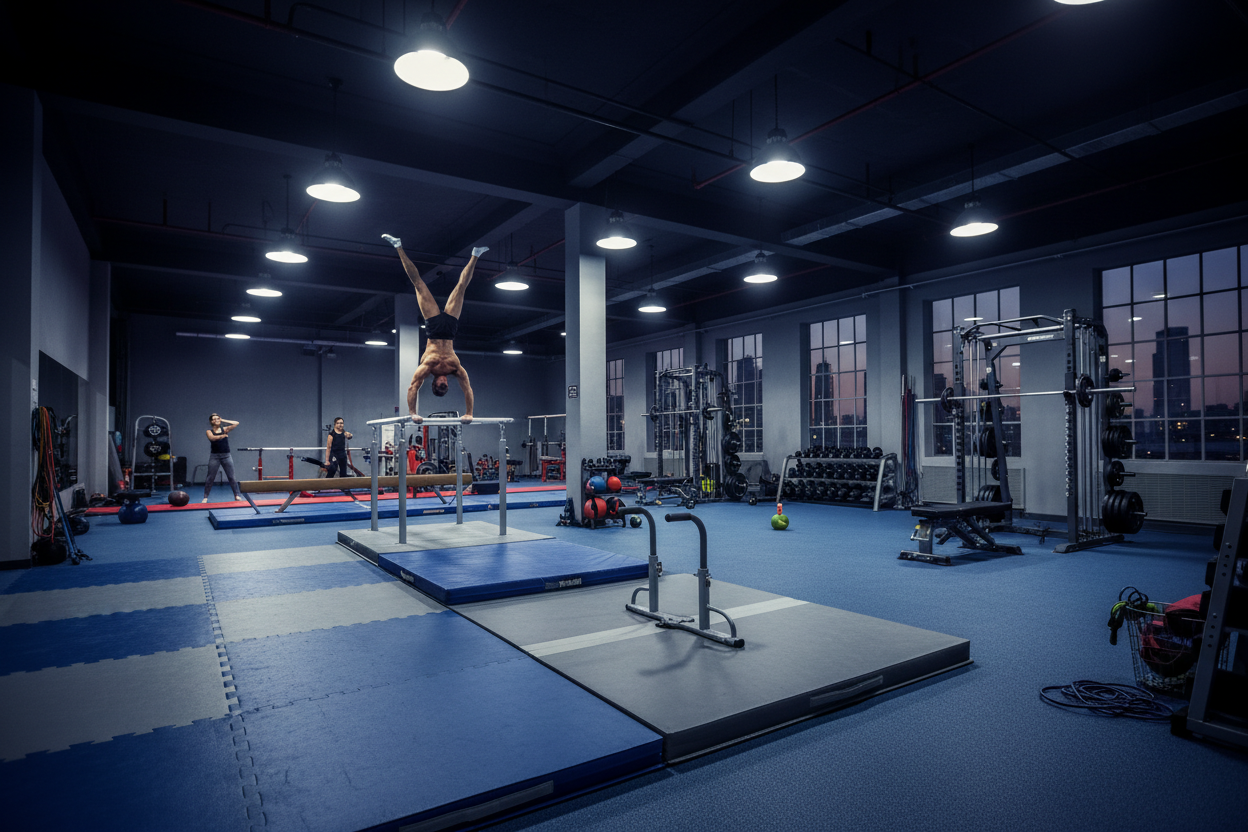
Whether you are outfitting a sprawling commercial facility or turning half your two-car garage into a dedicated training zone, the foundation of your space matters. Dropping heavy weights, practicing tumbling passes, or grinding through high-impact plyometrics on bare concrete is a fast track to joint pain and damaged subfloors. Choosing the right mats gymnastics and physical fitness center flooring is arguably the most critical investment you will make for safety and performance.
Navigating foam densities, vinyl weights, and modular connections can feel overwhelming. In this guide, we will cut through the industry jargon and help you find the exact protective flooring setup to elevate your workouts and protect your space.
Key Takeaways
- Foam Density is King: Cross-linked polyethylene (PE) foam offers superior shock absorption compared to standard EVA puzzle mats.
- Thickness Dictates Use: A 1.5 to 2-inch thickness is the sweet spot for tumbling, martial arts, and high-impact home gym workouts.
- Vinyl Quality Matters: Look for at least 18oz vinyl covers with double-stitched seams to prevent tearing during heavy use.
- Connection Systems: Hook-and-loop (Velcro) fasteners on all four sides allow for seamless, trip-free expansion as your gym grows.
Decoding Mat Materials and Specs
The Foam Core: PE vs. EVA
Not all foam is created equal. Many budget-friendly home gyms start with interlocking EVA foam tiles. While decent for light dumbbell work, EVA compresses quickly under heavy loads and loses its rebound. For a true performance surface, cross-linked polyethylene (PE) foam is the gold standard. It provides a firm, responsive surface that absorbs heavy impacts without bottoming out, making it ideal for everything from handstand push-ups to kettlebell circuits.
Selecting the Right Thickness
If you are strictly doing yoga or light stretching, a standard 3/8-inch mat suffices. However, for a hybrid training space, you need versatility. A 1.5-inch mat provides excellent stability for lifting while offering enough cushion for floor work. If your training leans heavily into gymnastics, wrestling, or plyometrics, stepping up to a 2-inch thick mat provides the necessary joint protection for repetitive hard landings.
Space Planning for North American Gyms
Garage Gyms and Basements
Space is the ultimate premium in most North American homes. If you are working with a standard 10x10 foot basement corner or a shared garage, folding panel mats are your best friend. A standard 4x8 foot folding mat easily slides under a power rack or folds into a compact 2x4 foot square for storage against the wall. When planning your layout, always leave at least 12 inches of clearance between the edge of your mats and any drywall to prevent accidental wall damage during dynamic movements.
Dedicated Studio Spaces
If you have a dedicated room, consider wall-to-wall coverage using roll-out mats or connecting multiple panel mats. Ensure your hook-and-loop fasteners align perfectly; a gap of even a quarter-inch can become a tripping hazard during fast-paced metabolic conditioning workouts.
From Our Gym: Honest Take
I have tested dozens of flooring solutions over the years, from cheap puzzle tiles to high-end commercial platforms. During a recent six-month testing phase in my own uninsulated garage gym, I put a set of 2-inch thick, 18oz vinyl folding mats through the wringer. The grip was phenomenal—my chalked hands held solid during aggressive wall walks, and the foam never bottomed out during heavy box jump landings.
However, I will share one minor caveat: heavily textured vinyl can be tough to clean if you train in a dusty environment. I found that I had to use a soft-bristle brush rather than just a mop to get the chalk dust out of the micro-crevices. Still, the trade-off for that extra traction is absolutely worth it.
Frequently Asked Questions
How do I clean and maintain my mats?
Sweep away loose debris daily. For a deep clean, use a non-abrasive, pH-neutral cleaner mixed with water and wipe down the surface with a microfiber mop. Avoid bleach or harsh chemicals, as they will degrade the vinyl cover over time.
Can I drop heavy barbells on these mats?
While high-density folding mats are incredibly durable for bodyweight impacts and kettlebells, they are not designed to replace heavy-duty rubber drop pads or deadlift platforms. Dropping a heavily loaded barbell directly on a vinyl mat can puncture the cover and crush the foam core.
Is it okay to use mats gymnastics & physical fitness center gear outdoors?
You can bring them out to the driveway for a sunny workout, but never leave them exposed to the elements. Prolonged UV exposure will dry out and crack the vinyl, and moisture can seep into the seams, leading to mold growth inside the foam.