Heavy Duty Gym Floor Mat Explained: What to Know First
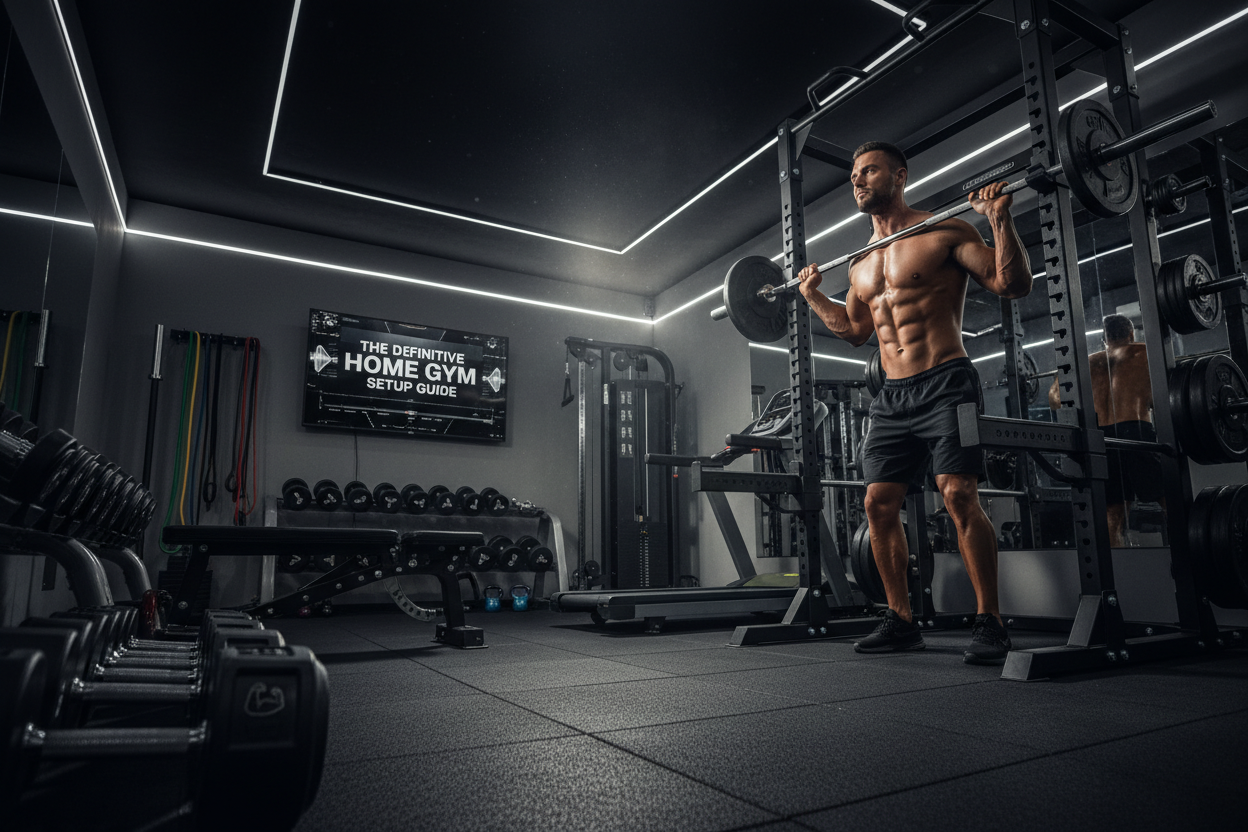
Every home gym owner eventually experiences that heart-stopping moment: a barbell slips during a heavy deadlift, crashing directly onto the bare concrete floor. If you are tired of waking up the neighbors, damaging your bumper plates, and worrying about foundation cracks, investing in a heavy duty gym floor mat is non-negotiable. This foundational piece of equipment is often overlooked, but it is the literal bedrock of a safe and effective training space.
Whether you are outfitting a two-car garage or carving out a lifting corner in your basement, choosing the right flooring can feel overwhelming. This guide will walk you through exactly what specifications matter, how to size your space, and what separates commercial-grade rubber from cheap foam alternatives so you can build a bulletproof home gym.
Key Takeaways
- Aim for at least 3/8-inch thickness for general fitness, and 3/4-inch for heavy Olympic weightlifting.
- Vulcanized rubber offers superior durability, water resistance, and less odor compared to recycled crumb rubber.
- A heavy duty rubber gym mat protects both your subfloor and your expensive iron or bumper plates from repeated impact.
- Proper ventilation is required for the first few weeks to allow new rubber flooring to off-gas.
Choosing the Right Protection
Why Thickness Matters
The most critical specification of any gym flooring is its thickness. If you are primarily doing yoga, bodyweight exercises, or light dumbbell work, a 1/4-inch or 3/8-inch mat provides adequate joint cushioning and floor protection. However, if you are dropping loaded barbells, a 3/4-inch heavy duty rubber gym mat is the gold standard. This thickness absorbs the shock of heavy deadlifts and cleans, preventing the kinetic energy from transferring into your concrete slab and causing expensive micro-fractures.
Vulcanized vs. Crumb Rubber
Not all rubber is created equal. Crumb rubber mats are made by gluing together recycled tire pieces. They are cost-effective and offer great shock absorption, but they are porous and can trap sweat or moisture. Vulcanized rubber, on the other hand, is bound together using heat and pressure. This creates a completely non-porous, ultra-dense surface that won't absorb liquids and is highly resistant to tearing. If you are setting up in a humid environment, vulcanized is the way to go.
Sizing Your Setup
Stall Mats vs. Rolled Flooring vs. Interlocking Tiles
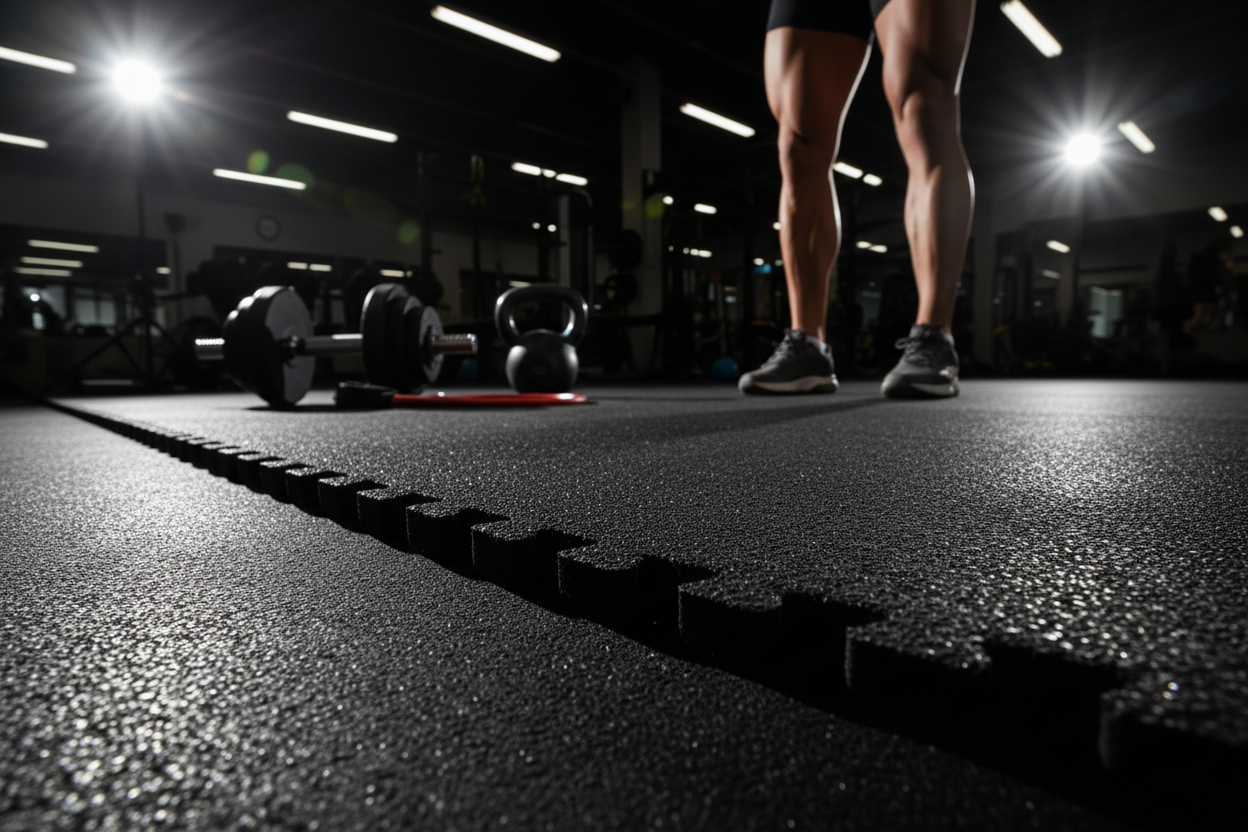
When planning your layout, you have three main options. Interlocking tiles are incredibly easy to install and perfect for irregular basement corners, but they can pull apart under heavy lateral movement. Rolled rubber provides a seamless, professional look but is notoriously difficult to maneuver and install alone. For most North American garage gyms, the 4x6 foot 3/4-inch stall mat is the holy grail. It acts as the perfect heavy duty rubber mat for gym environments, offering commercial-grade protection at a fraction of the cost of branded fitness flooring.
Long-Term Durability & Upkeep
Maintenance Best Practices
High-quality rubber flooring is incredibly low maintenance, but it does require some basic care to extend its lifespan. Because sweat, chalk, and dirt will inevitably accumulate, you should sweep or vacuum your mats weekly. For a deeper clean, avoid harsh chemical degreasers or bleach, which can degrade the rubber compounds over time. Instead, use a simple mixture of warm water and a few drops of mild dish soap with a damp mop.
From Our Gym: Honest Take
We have tested dozens of flooring options over the years, from cheap foam puzzle pieces to premium rolled rubber. Currently, my personal garage gym sits on six 3/4-inch vulcanized horse stall mats. The density is incredible—my chalked grip might fail on a heavy deadlift, but when the 405lb bar drops, the floor absorbs the shock with a dull, satisfying thud instead of a sharp crash. The only caveat? Moving a 100-pound mat by yourself is a workout in itself, and the initial rubber smell took about two weeks to fully dissipate with the garage door wide open. Despite the heavy lifting required for setup, I wouldn't trade them for anything else.
Frequently Asked Questions
Is a heavy duty gym floor mat worth the cost?
Absolutely. The cost of replacing a cracked concrete garage floor or buying new bumper plates far exceeds the initial investment of high-quality rubber flooring. It is an insurance policy for your home and your equipment.
Do I need to tape or glue my mats down?
If you are using heavy 3/4-inch mats (which weigh around 100 lbs each), gravity does most of the work. For high-traffic areas or if you notice shifting, applying heavy-duty double-sided carpet tape underneath the seams or black Gorilla Tape over the top seams will keep them firmly in place.
Can I put rubber gym mats over carpet?
It is not recommended to put heavy rubber mats directly over plush carpet, as the carpet will compress unevenly, creating an unstable lifting surface. If you must build over carpet, lay down a layer of 3/4-inch plywood first to create a rigid subfloor, then place your rubber mats on top.