Mat Outdoors Setup: Stop Ruining Your Gear Before You Buy
Nothing beats the feeling of a heavy kettlebell session or a HIIT workout in the fresh air. But if you've ever dragged your standard indoor yoga pad onto the driveway, you already know the harsh truth: concrete and asphalt will chew it up in minutes. Taking your mat outdoors is a game-changer for home gym owners with limited indoor space, but it requires the right equipment to protect your joints, your weights, and your driveway.
Whether you are setting up a permanent backyard lifting platform or just need a portable solution for sunny days, this guide will walk you through exactly what to look for so you don't waste your money on gear that melts, cracks, or crumbles under the elements.
Key Takeaways
- UV Resistance is Non-Negotiable: Standard foam degrades rapidly in direct sunlight; look for UV-treated rubber or high-density PVC.
- Drainage Matters: A proper outdoor floor mat should allow water to pass through or be completely non-porous to prevent mold and mildew.
- Thickness Dictates Function: Heavy lifting requires at least 3/4-inch vulcanized rubber, while bodyweight training needs only 8mm to 10mm of dense padding.
- Grip Over Aesthetics: While decorative outdoor floor mats look great on a patio, fitness-focused exterior mats prioritize slip-resistance when wet.
Choosing the Right Exterior Mats for Your Workouts
Not all mats are created equal, especially when Mother Nature is involved. When you transition your training to the backyard, your flooring needs to withstand temperature swings, moisture, and abrasive surfaces without breaking down.
Material Matters: Rubber vs. Foam
If you are searching for mats for outdoors, vulcanized rubber is the gold standard. It won't absorb water, resists tearing from dropped dumbbells, and handles extreme heat without warping. EVA foam, commonly used in cheap puzzle mats, will expand in the sun and easily blow away in the wind. If you must use foam, ensure it is high-density and strictly for temporary, fair-weather setups.
Thickness and Impact Absorption
For plyometrics and kettlebell flows, a 1/2-inch thick mat provides enough joint relief over concrete. If you are dropping heavy barbells, you need 3/4-inch minimum. Keep in mind that heavy-duty mats for outside are incredibly heavy—often 100 pounds for a 4x6 foot section—so plan to leave them in place once dropped.
Designing Your Patio or Driveway Gym
Space planning outside is just as critical as it is in your basement or garage. You have more headroom, but the ground is rarely perfectly level, which dictates how you lay your flooring.
Sizing Your Outdoor Floor Mat
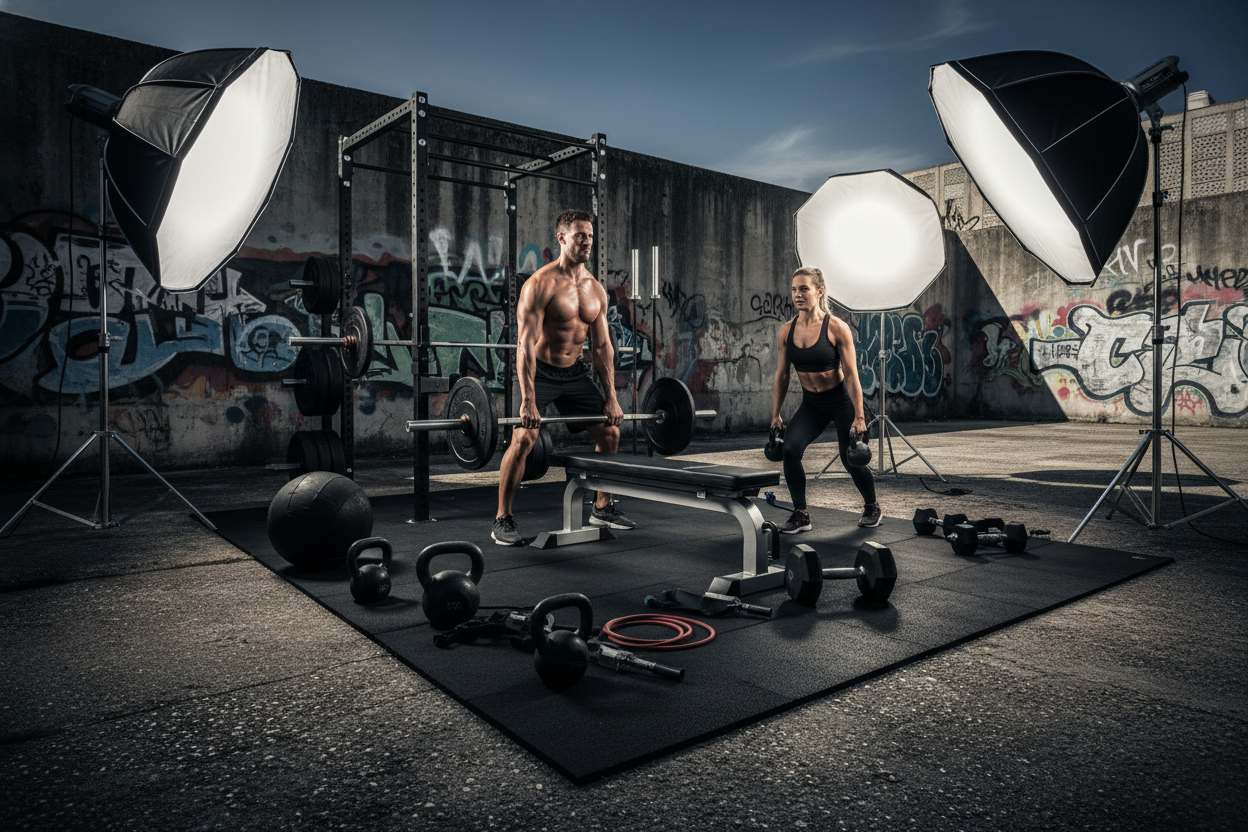
For a portable kettlebell or yoga station, a standard 6x4 foot footprint is plenty. If you are building a permanent squat rack setup on a concrete slab, you'll want an 8x8 foot area. Interestingly, many home gym owners blend aesthetics with function. You can frame your heavy-duty workout zone with decorative outdoor floor mats to create a cohesive, inviting patio gym that doesn't look like an industrial loading dock.
Weatherproofing and Maintenance
Even the toughest gear needs a little care. The biggest enemies of outdoor gym flooring are standing water, dirt buildup, and relentless UV rays.
Drainage and UV Protection
If your workout area isn't covered by a canopy or awning, ensure your flooring setup allows for drainage. Water trapped under an impermeable surface can degrade the concrete underneath or cause a foul-smelling mildew buildup. When browsing any outdoor mat for sale, always check the manufacturer's UV rating. A quick sweep and a bi-weekly hose-down with mild soap are usually all it takes to keep high-quality exterior mats looking fresh.
From Our Gym: Honest Take
I learned the hard way that you can't just repurpose old basement flooring for the backyard. Two summers ago, I laid down some cheap EVA foam tiles on my concrete patio for a makeshift morning workout zone. Within three weeks, the summer sun had warped the edges so badly they became a tripping hazard, and my chalked grip slipped constantly because they couldn't handle the morning humidity.
I eventually upgraded to 3/4-inch vulcanized rubber stall mats. The difference is night and day. My knees don't ache after jump squats, and dropping a 50lb dumbbell doesn't chip my patio. The only caveat? They smelled strongly of sulfur for the first two weeks as they baked in the sun. If you buy fresh rubber, let it off-gas in an open area before doing any floor work on them.
Frequently Asked Questions
Can I leave my exercise mat outside in the rain?
It depends entirely on the material. Vulcanized rubber and closed-cell PVC can withstand rain without issue. Open-cell foam or standard yoga mats will act like sponges, absorbing water and quickly developing mold. Always dry your portable mats after a storm.
What is the best thickness for an outdoor workout mat?
For general fitness, HIIT, and bodyweight exercises, 8mm to 1/2-inch is ideal. If you are lifting heavy weights or dropping barbells on concrete, you need a minimum of 3/4-inch thick rubber to protect both your equipment and the ground.
Do outdoor gym mats get too hot in the sun?
Yes, black rubber mats absorb heat and can become uncomfortably hot to the touch in direct summer sunlight. If you plan to do floor work like push-ups or core exercises, it is best to place your mat in a shaded area or throw a lighter-colored towel over the rubber during your session.