Master the Chest Press Machine for Maximum Strength Gains
The chest press machine is one of the most effective gym tools for building upper body strength, especially for those aiming to develop their chest, shoulders, and triceps. Whether referred to as a chest press equipment, machine chest press, or chest push machine, this piece of gym equipment provides stability and control that free weights may not offer. With proper machine chest press form and seat adjustments, you can safely target your pectoral muscles and improve your overall pressing power.
Understanding the Chest Press Machine
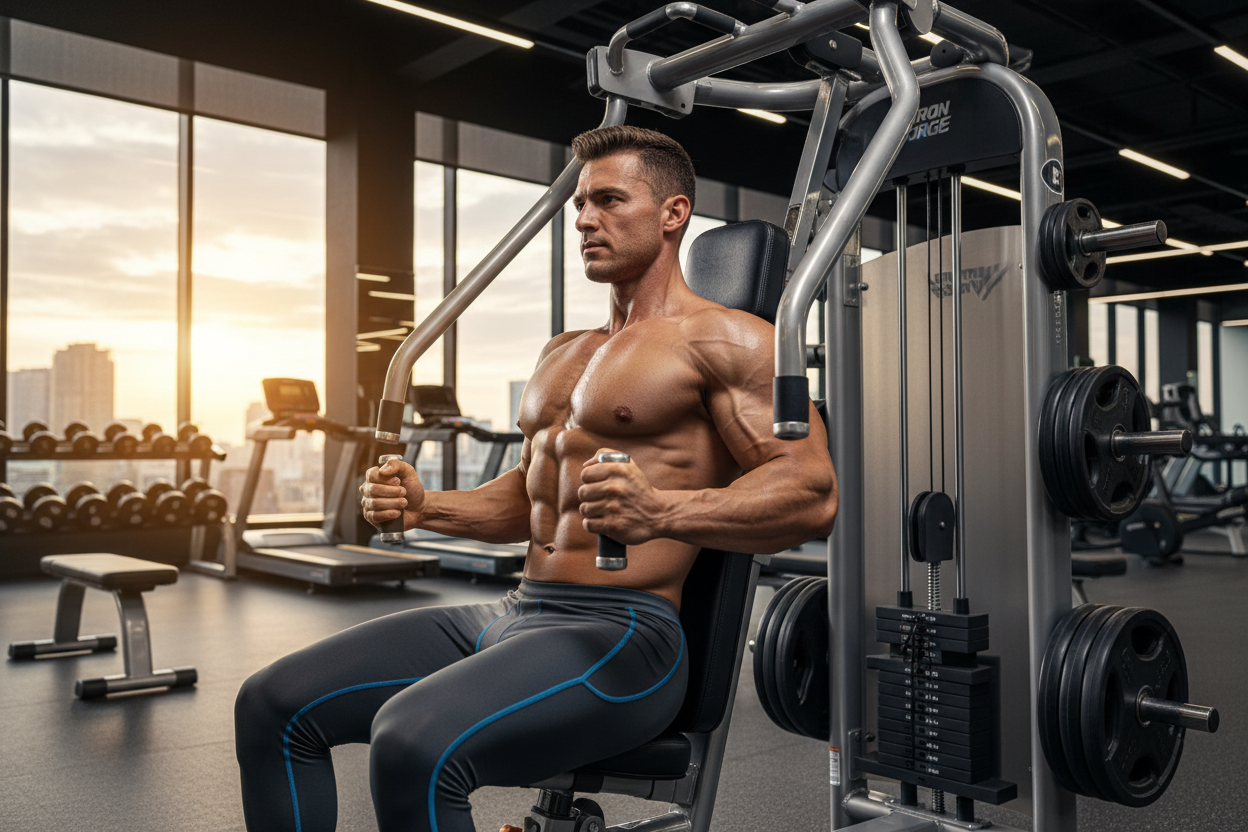
A chest press machine, also known as a seated chest press or press machine gym, simulates the movement of a traditional bench press but with guided motion. This setup minimizes the risk of incorrect form and helps beginners learn the right muscle activation. In some gyms, you’ll find variations like the seated bench press, seated machine bench press, or bench press sitting up. Each of these targets the chest muscles from slightly different angles to improve muscle engagement.
Types of Chest Press Machines
There are several types of chest press machines available in gyms and home fitness setups. The most common is the seated press machine, where you sit upright with your back against the pad and push the handles forward. Some modern designs feature converging arms that allow for a more natural arc of motion, often called the converging chest press form. There are also variations such as the pec press machine or chest squeeze press machine that focus more on the inner pecs and chest contraction. For compact fitness spaces, a chest press home gym or multi-station press workout machine provides excellent versatility.
How to Use a Chest Press Machine Properly
To perform a seated chest press machine workout effectively, proper setup and technique are crucial. Start by adjusting the seat height so that the handles are aligned with the middle of your chest. This ensures correct muscle targeting and reduces stress on the shoulders. Adjust the seat or handle position if necessary — knowing how to adjust a chest press machine is key to comfort and safety. When ready, grip the handles firmly with palms facing forward and feet flat on the ground.
Push the handles forward while exhaling, extending your arms without locking the elbows. Then slowly return to the starting position as you inhale, focusing on feeling the stretch through your chest. This motion, when done correctly, defines the proper chest press machine form. If you are using a seated bench machine or a chest press máquina with different handle options, try varying your grip width to shift the focus between the upper and lower chest.
Tips for Better Form and Results
To get the most out of your chest press machine workout, focus on slow and controlled movements. Avoid using momentum, as this reduces muscle activation. Keep your shoulders back and maintain a tight core to support proper posture. Adjusting the chest press machine seat height ensures the push is coming from your chest rather than your shoulders. Beginners should start with lighter loads to master how to use chest press machine safely, then gradually increase resistance as strength improves.
For experienced users, incorporating the chest press bench machine or sit down bench press into your routine can be a great way to work on endurance and muscle tone. Including both machine chest press exercise and free-weight versions can help balance stability and raw strength.
Personal Experience with the Seated Chest Press
When I first started using the seated chest press, I struggled to align the seat and grip properly. Once I learned how to set up chest press machine correctly — aligning the handles to mid-chest and adjusting the back pad — the difference was substantial. I could feel better muscle engagement and experienced less strain in my shoulders. Over time, including chest press machine reps in my weekly routine helped me build a more defined and balanced upper body. The guided movement made it easier to track progress, especially on days when heavy bench pressing felt intimidating.
Building a Balanced Chest Routine
A good chest routine involves multiple angles and equipment types. Combine your seated chest press form training with other exercises like dumbbell flyes, push-ups, or even a chest pulls machine for comprehensive chest development. The machine chest press gym versions provide consistent resistance that challenges your muscles throughout the range of motion. Alternate between wide and narrow grips or use a chest press sitting up position to isolate different parts of the pectorals. Remember, variety promotes continued muscle growth and prevents plateaus.
Choosing the Right Chest Press Equipment
Gyms today offer several models, from simple hydraulic press machines to advanced plate-loaded designs. For home use, a compact chest press home gym or cable-based press workout machine might be sufficient. When choosing one, consider comfort, adjustability, and range of motion. A well-constructed seated bench press machine can serve as a long-term investment in your strength journey.
Final Thoughts
Mastering how to chest press machine correctly not only improves upper body strength but also boosts confidence in your training routine. Whether you prefer a machine chest press exercise, sitting press machine, or weight machine chest press style, always prioritize form over heavy loads. With practice, patience, and consistent effort, the chest press machine becomes a powerful ally in achieving strong, sculpted pecs safely and effectively.