Master Gym Machine Exercises for Chest Growth (The Real Way)
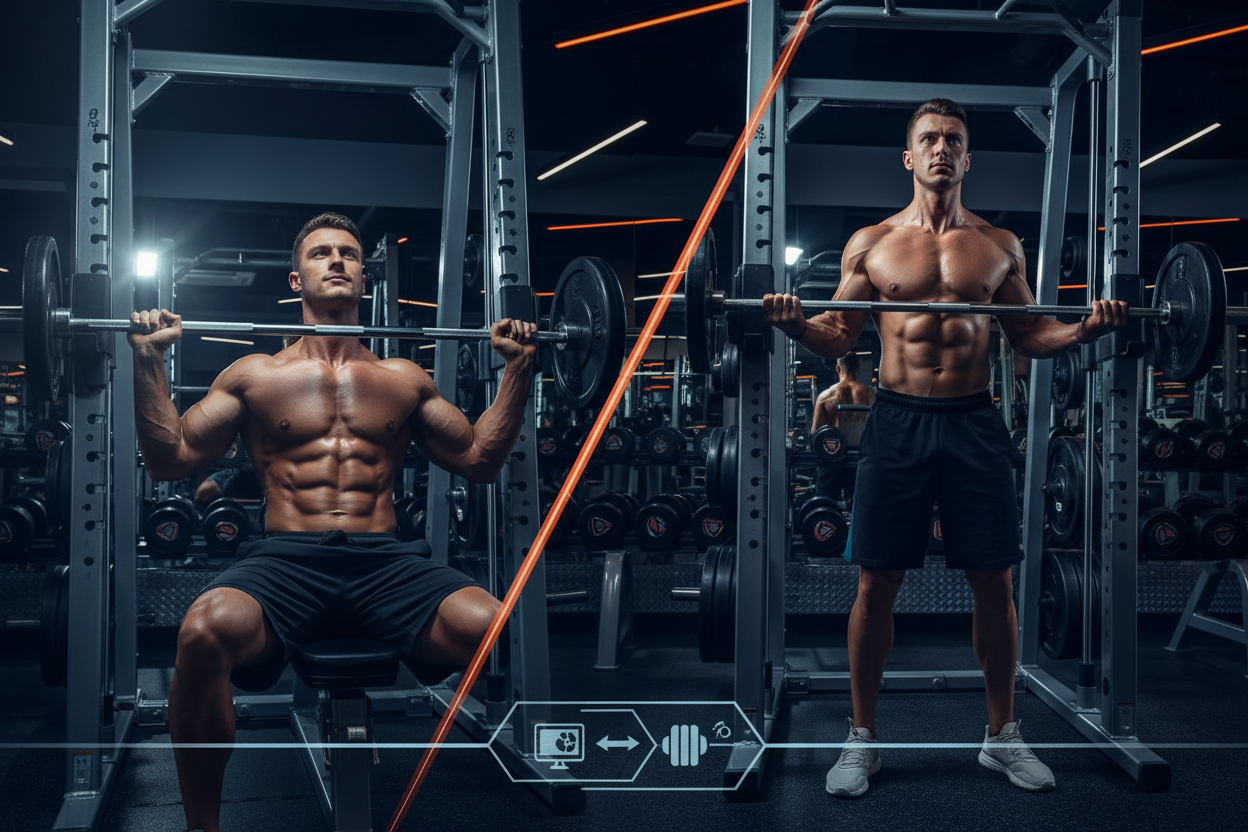
There is a persistent myth in the weight room that needs to die: the idea that machines are only for beginners or rehabilitation. If you walk into a high-level bodybuilding gym, you will see the biggest guys relying heavily on gym machine exercises for chest development. Why? Because hypertrophy (muscle growth) isn't about how much iron you can balance; it's about how much tension you can direct specifically into the pectoral fibers.
Free weights require stabilization. While that’s great for functional strength, stabilization can sometimes be the limiting factor before your chest actually fails. Machines remove the stability requirement, allowing you to push the pecs to absolute failure safely. Here is how to use these tools effectively.
Key Takeaways
- Stability equals output: Machines remove the need to balance the weight, allowing for higher motor unit recruitment in the pecs.
- Resistance profiles matter: Unlike dumbbells, machines like the pec deck provide tension at the very top of the rep (full contraction).
- Seat height is critical: The most common error is sitting too low, which shifts tension to the front deltoids.
- Antagonist training: Using a dual-function back and chest workout machine allows for efficient supersets that pump the entire upper torso.
The Science of Stability and Tension
Your muscles do not know if you are holding a dumbbell or a rubber handle. They only understand tension. The primary advantage of machine work is the manipulation of the resistance curve.
When you do a dumbbell fly, there is zero tension on your chest at the top of the movement because gravity pulls straight down through your stacked joints. A machine, however, redirects that force. It keeps the weight heavy even when your hands touch, forcing the inner chest to work harder than free weights ever could.
Optimizing the Chest Press Machine
The seated chest press is the bread and butter of machine work, but 90% of gym-goers set it up wrong.
The Setup
Adjust the seat so the handles align with your mid-chest (nipple line), not your shoulders. If the handles are too high, you will wreck your rotator cuffs and over-develop your front delts. Retract your shoulder blades against the back pad before you even touch the handles. Keep them pinned there throughout the set.
Converging vs. Linear
If your gym offers a "converging" press (where handles move toward each other as you push out), choose this over a standard linear press. This convergence mimics the natural function of the pectorals (adduction), allowing for a much harder contraction at the peak of the movement.
The Pec Deck: Better Than Dumbbells?
For pure isolation, the pec deck (machine fly) is superior to the dumbbell fly. As mentioned earlier, the cable or cam system maintains tension throughout the entire range of motion.
Keep a slight bend in your elbows. Do not try to hug a tree with straight arms; this places unnecessary torque on the elbow joint. Focus on driving your biceps into your chest rather than just bringing your hands together.
Efficiency: The Back and Chest Workout Machine
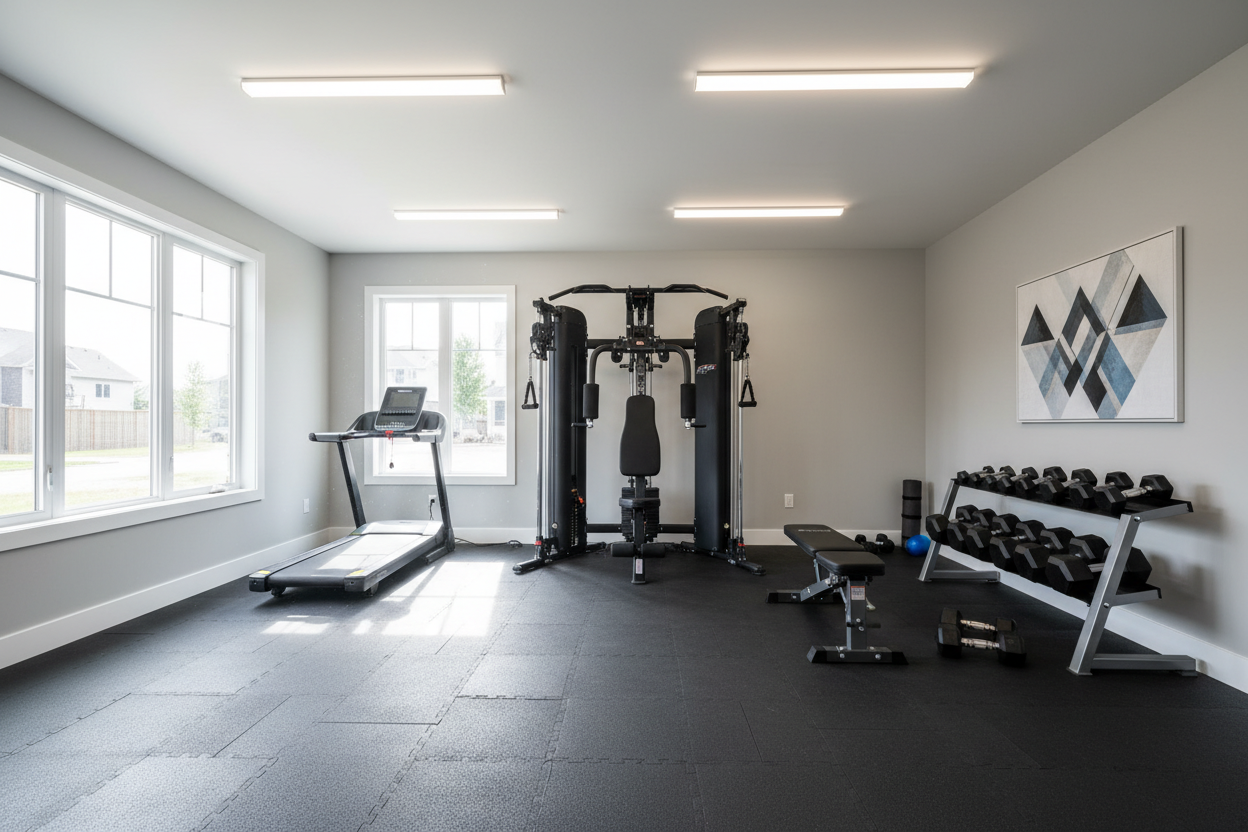
Many commercial gyms feature a dual-purpose back and chest workout machine—usually a Pec Deck that converts into a Reverse Fly machine. This is an underrated tool for density training.
By utilizing this machine, you can perform antagonist supersets. You do a set of chest flys, immediately switch the pin, and perform rear delt flys. This pumps blood into the front and back of the torso, creating a "corset" effect of stability and a massive pump, without needing to hog two different stations.
My Training Log: Real Talk
I want to be honest about the user experience here because specs don't tell the whole story. I’ve spent years grinding on Hammer Strength and Cybex machines, and there is a specific annoyance you need to watch out for.
On the older plate-loaded chest presses, the starting position is often set too far back. I have average-length arms, and getting the handles into the starting position used to torque my shoulder capsule painfully before the rep even started. I learned the hard way: use the foot lever.
If the machine doesn't have a foot lever to bring the handles forward, I literally have to ask a spotter to pull the handle out for me, or I have to unrack one arm at a time. Also, the vinyl on these machines gets incredibly slippery when you're sweating. I’ve reached a point where I actually chalk the back of my shirt—not my hands—just so my scapula doesn't slide up the back pad during a heavy press. It looks weird, but it locks me in tight.
Conclusion
Machines are not a shortcut; they are a precision tool. By stabilizing your body and optimizing the resistance curve, you can target chest fibers that free weights often miss. Stop worrying about how "functional" the movement looks and focus on the internal stimulus. Set the seat height correctly, control the eccentric, and squeeze at the top.
Frequently Asked Questions
Are gym machines safer than free weights for chest?
Generally, yes. Machines provide a fixed path of motion, which reduces the risk of dropping weights or moving into a range of motion that could tear a muscle. However, you can still get injured if the machine is adjusted poorly for your body mechanics.
Can I build a full chest using only machines?
Absolutely. Hypertrophy requires mechanical tension, metabolic stress, and muscle damage—all of which can be achieved with machines. In fact, many bodybuilders switch exclusively to machines leading up to a show to avoid injury while maintaining mass.
What is the best rep range for chest machines?
Because machines offer high stability, they are excellent for metabolic work. While you can go heavy (6-8 reps), machines shine in the 10-20 rep range where you can focus on a slow eccentric (lowering phase) and a hard squeeze without balance limiting you.