Lose Weight Hips Thighs and Bum: The Science-Backed Protocol
It is arguably the most common frustration I hear from clients. You stick to the diet, you hit the gym, and your face looks thinner, your waist shrinks, but the lower body remains stubborn. Trying to lose weight hips thighs and bum is a physiological battle against biology, especially for women.
We need to address the elephant in the room immediately: spot reduction is a myth. You cannot tell your body exactly where to burn fat from first. However, you can manipulate your body composition to change how that area looks. This guide strips away the influencers' fluff and focuses on the biomechanics and nutritional reality of reshaping your lower half.
Key Takeaways: The Lower Body Blueprint
- Caloric Deficit is King: You cannot out-train a surplus. Fat loss happens systemically, and for many, the lower body is the last place it leaves.
- Heavy Compound Lifts: To change the shape of your hips and thighs, you must build muscle density using squats, lunges, and deadlifts.
- Protein Prioritization: Aim for 1.6g to 2.2g of protein per kilogram of body weight to spare muscle while losing fat.
- NEAT over Cardio: excessive running can increase cortisol; increasing daily steps (Non-Exercise Activity Thermogenesis) is often more effective for fat loss.
- Patience is Required: Lower body fat is often hormonally stubborn (alpha-2 receptors) and takes longer to mobilize than abdominal fat.
The Biology of Stubborn Fat
Why is losing weight hips thighs and bum so difficult? It comes down to fat cell receptors. Lower body fat is typically rich in alpha-2 receptors, which essentially tell the cell to "hold on" to the fat. Upper body fat has more beta-receptors, which are quicker to release energy.
When you start a diet, your body grabs energy from the easiest sources first. This is why you might see your ribs before your thighs slim down. Understanding this keeps you from quitting when progress seems slow. It isn't that it's not working; it's that you haven't reached that fuel tank yet.
Training: Sculpture vs. Shrinkage
Stop Fear-Mongering "Bulk"
Many people avoid heavy weights because they fear their legs will get huge. Here is the reality: building muscle is incredibly hard. Unless you are eating in a massive surplus and taking performance enhancers, heavy lifting will not make you bulky.
Instead, muscle tissue is denser than fat. Replacing a pound of fat with a pound of muscle in your thighs will actually make them measure smaller in circumference while looking tighter and firmer.
The "Big Three" Movements
If you want to change your silhouette, isolation exercises like donkey kicks aren't enough. You need compound movements:
- Hip Thrusts: The gold standard for glute development without over-taxing the quads.
- Romanian Deadlifts (RDLs): excellent for targeting the hamstrings and the glute-ham tie-in.
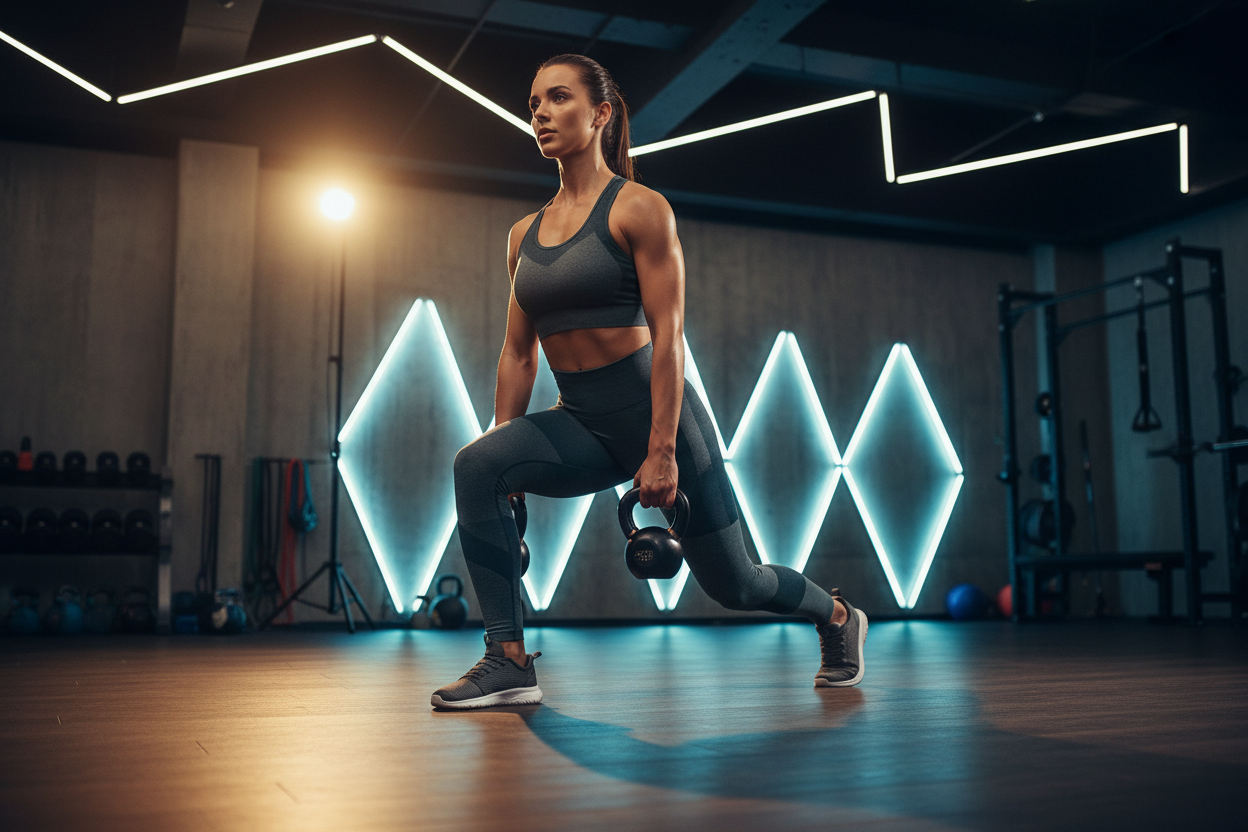
- Walking Lunges: High metabolic demand and excellent for shaping the thighs.
Nutrition: Fueling the Change
You need to be in a slight caloric deficit. A crash diet will backfire. If you cut calories too drastically, your body down-regulates its metabolism and holds onto stubborn fat stores as a survival mechanism.
Focus on a moderate deficit (300-500 calories below maintenance) and high protein. This signals to your body that it should burn fat for fuel, not the muscle tissue you are working so hard to build in the gym.
My Training Log: Real Talk
I want to share a specific realization from my own training history regarding this exact goal. For years, I thought the burning sensation meant I was winning. I would do hundreds of unweighted glute bridges until my hips were on fire, thinking that "burn" was melting the fat.
It wasn't. I was just building endurance in a weak muscle.
The real change happened when I started hip thrusting heavy. I remember the first time I loaded the bar with 135lbs. The next day, I didn't feel a "burn"; I felt a deep, dull ache in the glutes that made sitting down a conscious effort. But the most telling detail? The bruising on my hip bones.
I hadn't bought a barbell pad yet (huge mistake), and the bar dug right into my iliac crest. That physical discomfort was annoying, but six weeks later, my jeans fit differently. The waistband was looser, but the seat was tighter. That specific feeling—of the fabric pulling across the glutes but gaping slightly at the waist—was the proof that heavy lifting was doing what years of cardio never did.
Conclusion
To lose weight hips thighs and bum, you must stop looking for a shortcut. It is a combination of patience, heavy lifting, and nutritional discipline. The scale might not move as fast as you want, but if you prioritize strength and protein, the mirror will eventually show the results you are working for.
Frequently Asked Questions
Can walking help lose weight in hips and thighs?
Yes. Walking is a form of low-intensity steady-state cardio (LISS). It burns calories without spiking hunger or cortisol levels the way high-intensity interval training (HIIT) can, making it an excellent tool for fat loss in the lower body.
Why am I losing weight everywhere but my thighs?
This is genetic and hormonal. Your body decides where to store fat based on your genetic code. For many, the lower body is the "primary" storage site. It is usually the last place fat is mobilized from, requiring sustained consistency.
Are squats or lunges better for slimming legs?
Both are effective, but they serve different purposes. Squats are a bilateral movement allowing for heavier loads and overall mass building. Lunges are unilateral, which helps fix imbalances and often recruits more stabilizer muscles in the hips and glutes.