AI Workout Machine Explained: Is It Worth the Investment?
We have all been there—staring at the rack, wondering if we should go up five pounds and risk failing the rep, or play it safe and stall our progress. When you train alone in a garage or basement gym, progressive overload can feel like a frustrating guessing game.
Enter the AI workout machine. This is not just a touchscreen bolted to a cable pulley; it is a fundamental shift in how we handle resistance. By replacing iron plates with electromagnetic motors, these systems adjust the weight mid-rep, track your velocity, and literally spot you when you fail. But is upgrading to this level of technology actually worth the steep price tag, or is it just a passing trend?
Key Takeaways
- Dynamic Resistance: Digital weights adjust in milliseconds to match your strength curve, making workouts more efficient.
- Space Efficiency: Most units require less than a 6x6 foot footprint, replacing entire racks of dumbbells and plates.
- Built-In Spotter: Advanced sensors detect bar speed and automatically reduce weight if you fail a rep.
- Subscription Costs: Most platforms require a monthly membership to access the AI features and data tracking.
Why AI Gym Equipment is Changing Home Training
Digital Weight vs. Traditional Iron
If you have never used an ai exercise machine, the resistance feels distinctly different. Because there is no physical mass, there is no momentum. When you push a traditional barbell, momentum carries it through the easiest part of the lift. With digital weight, the electromagnetic motor provides constant tension throughout the entire range of motion, making 50 pounds feel significantly heavier than 50 pounds of iron.
Advanced Modes: Eccentric and Isokinetic
The true value of this equipment lies in its software. Eccentric training—where the machine adds weight during the lowering phase of a lift—is incredibly difficult to do safely alone with free weights. These machines handle it seamlessly, overloading your muscles for maximum hypertrophy without requiring a training partner.
Space Planning for Futuristic Gym Equipment
Wall-Mounted vs. Freestanding Footprints
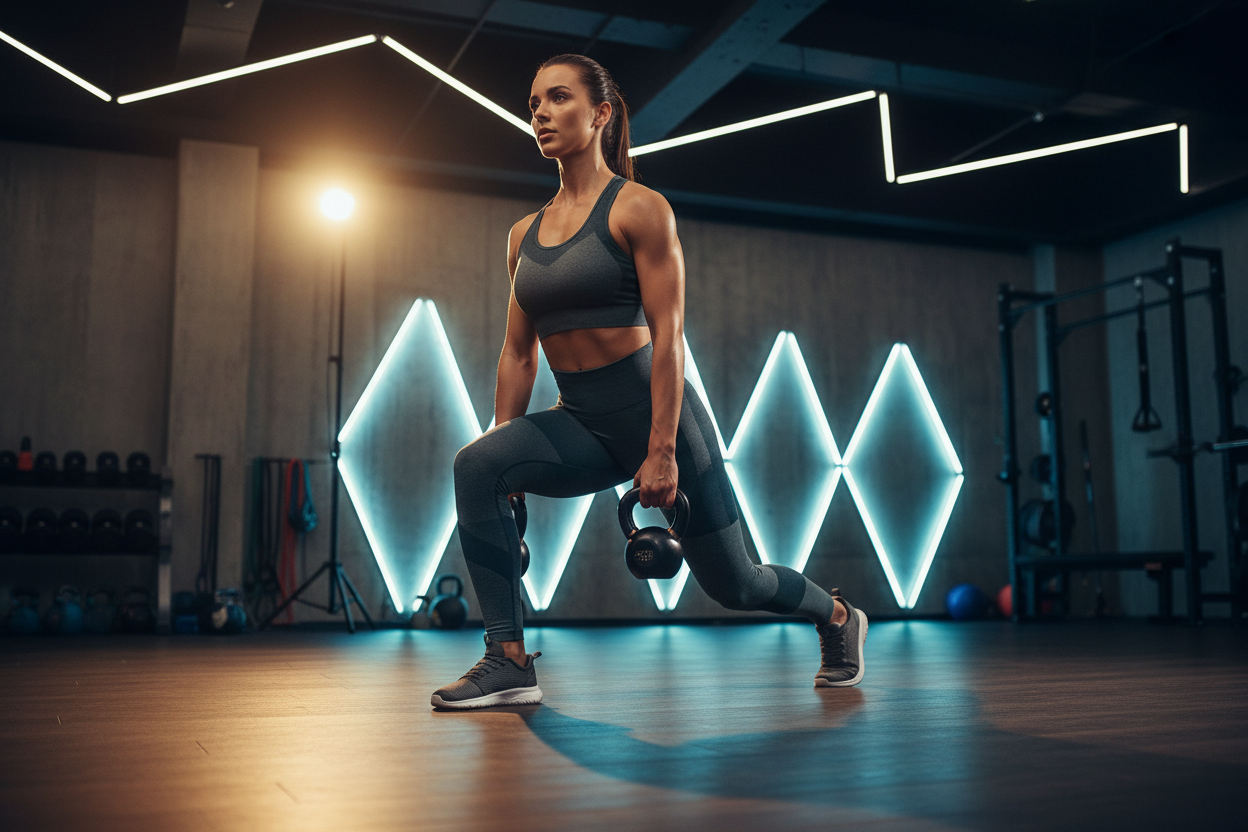
One of the biggest selling points of futuristic gym equipment is its minimal footprint. Wall-mounted units typically require standard 16-inch stud spacing and protrude less than six inches from the wall when not in use. However, you need to account for the actual working space. We recommend a minimum clearance of 7 feet wide by 7 feet deep to comfortably perform lunges, bench presses, and overhead movements.
If you are renting or cannot drill into studs, freestanding models are available, though they often feature a heavier, bulkier base to anchor the weight.
From Our Gym: Honest Take
I have spent the last six months testing a flagship AI cable machine in my two-car garage setup. The first thing that struck me was the cable smoothness. Because the resistance is driven by an electromagnetic field, there is zero friction or jerking. My chalked grip held solid through heavy deadlift sets, and the eccentric overload feature absolutely torched my hamstrings in ways traditional barbells never have.
However, it is not flawless. The internal cooling fans kick on during heavy, sustained workouts, and the hum is noticeable if you train without headphones. Additionally, while the digital spotter is an incredible safety feature for bench presses, the slight half-second delay before it catches a failed rep takes some getting used to. You have to trust the machine, which feels unnatural at first.
Frequently Asked Questions
Do I need a subscription to use an AI workout machine?
In most cases, yes. While some machines offer a basic "free lift" mode without a subscription, the AI-driven features like automatic weight adjustments, form tracking, and guided programs are locked behind a monthly paywall.
How much weight can these machines simulate?
Entry-level models typically offer around 100 to 150 pounds of digital resistance, while premium models can generate up to 200 pounds (100 pounds per arm). Remember, digital weight feels about 20% heavier than traditional free weights due to the lack of momentum.
Are they difficult to install?
Wall-mounted units require precise installation into wood or metal studs to ensure they can handle the torque of heavy lifting. Most premium brands include professional delivery and installation in the purchase price to guarantee safety.