Life Fitness Pro Series: The Definitive Guide to Legacy Strength
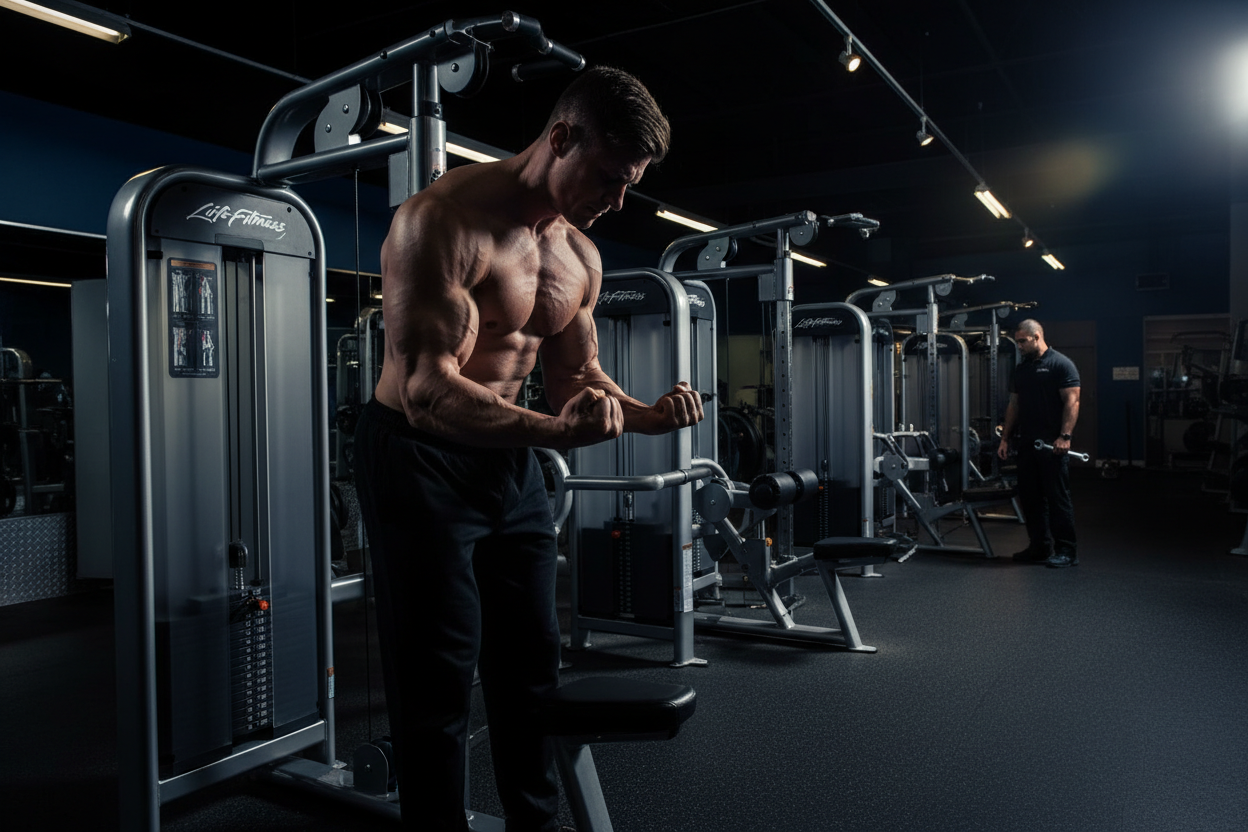
Walk into almost any serious commercial gym established in the last two decades, and you will likely spot the familiar silhouette of the life fitness pro series. While flashy digital interfaces and magnetic resistance machines are flooding the market, this selectorized line remains a staple in the industry.
But why does this older line command such respect? Is it nostalgia, or is the biomechanics actually superior? If you are a gym owner looking to outfit a facility, or a garage gym enthusiast hunting for commercial-grade pieces on the used market, you need to understand the engineering behind the steel.
Key Takeaways
- Biomechanics First: The Pro series utilizes converging and diverging axes of motion to mimic natural human movement paths.
- Durability: Built with 11-gauge steel frames, these machines are famously difficult to destroy, making them ideal for high-traffic zones.
- Maintenance: Unlike modern digital equipment, the Pro series relies on mechanical simplicity (cables, pulleys, weight stacks) that is easy to service.
- Resale Value: Due to their reputation, well-maintained Pro 1 and Pro 2 pieces hold significant value in the secondary market.
The Engineering Behind the "Pro" Badge
The Life Fitness Pro series wasn't designed to look pretty; it was designed to work. The core philosophy behind this line is isolation. When you are training for hypertrophy, stability is the currency you trade for muscle growth.
The Selectorized Advantage
Unlike plate-loaded equipment (like Hammer Strength), the Pro series uses a pin-select weight stack. This allows for rapid drop sets and circuit training. But the real magic is in the cam.
The cam profiles on these machines are engineered to match the strength curve of the specific muscle group. For example, on the Pro Series Bicep Curl, the resistance feels lighter at the bottom (where the muscle is weakest) and heavier at the peak contraction. This ensures tension remains constant throughout the rep, rather than dropping off.
Pro 1 vs. Pro 2: What’s the Difference?
If you are scouring the used market, you will see both "Pro 1" and "Pro 2" listings. It is crucial to know the distinction.
The Pro 1 is the classic. It often features white frames and a boxier aesthetic. It is purely functional. The Pro 2 introduced slightly more ergonomic pads and a modernized, oval-tubing look. Functionally, the biomechanics are very similar, but the Pro 2 offers better adjustability on seat heights and roller pads.
Maintenance Realities
The biggest selling point of the life fitness pro line is that it is essentially bomb-proof. However, "bomb-proof" doesn't mean "maintenance-free."
The guide rods are the lifeline of these machines. If they aren't cleaned and lubricated with 100% silicone, the weight stack will drag. This creates "ghost friction"—where the weight feels heavier on the eccentric (lowering) phase than the concentric (lifting) phase. Keep the cables inspected for fraying, and this equipment will outlast the building it sits in.
My Training Log: Real Talk
I have spent hundreds of hours pulling and pushing on the Life Fitness Pro 2 Lat Pulldown. Let me tell you something the spec sheet won't: the thigh pad adjustment is a game of inches.
There is a very specific "clack-thud" sound the weight stack makes when you hit the bottom of a rep on a Pro machine. It’s distinct. But here is the gritty detail: on the older Pro 1 chest press, the handle texture is aggressive. It’s a hard, knurled plastic that digs into your palm if you don't wear gloves or have calluses.
I also noticed that if a gym owner neglects the guide rods, you feel a "stutter" halfway down the movement. It’s not a smooth glide; it’s a tactile vibration that travels right down the cable into your hands. When that happens, you know the machine is thirsty for silicone. But when it's greased? It feels hydraulic. Smooth, heavy, and honest.
Conclusion
The Life Fitness Pro series proves that good engineering doesn't age. Whether you are equipping a commercial facility or building a high-end home dungeon, these machines offer a biomechanical feel that modern, lightweight equipment often fails to replicate. They are heavy, they are simple, and they work.
Frequently Asked Questions
Is Life Fitness Pro equipment suitable for a home gym?
Yes, but with caveats. These are commercial-grade machines with large footprints and heavy weight stacks (often 200-300 lbs). You need concrete floors and ample space. They are not designed to be moved easily once assembled.
Can I still get replacement parts for the Pro Series?
Absolutely. Because the line was so popular, third-party manufacturers produce high-quality replacement cables, pulleys, and upholstery. It is one of the easiest lines to service due to parts availability.
How does the Pro Series compare to Hammer Strength?
Life Fitness Pro is selectorized (pin-loaded), focusing on isolation and ease of use. Hammer Strength is typically plate-loaded and iso-lateral, preferred by athletes for explosive strength. Pro is better for general fitness and bodybuilding; Hammer is better for sports performance.