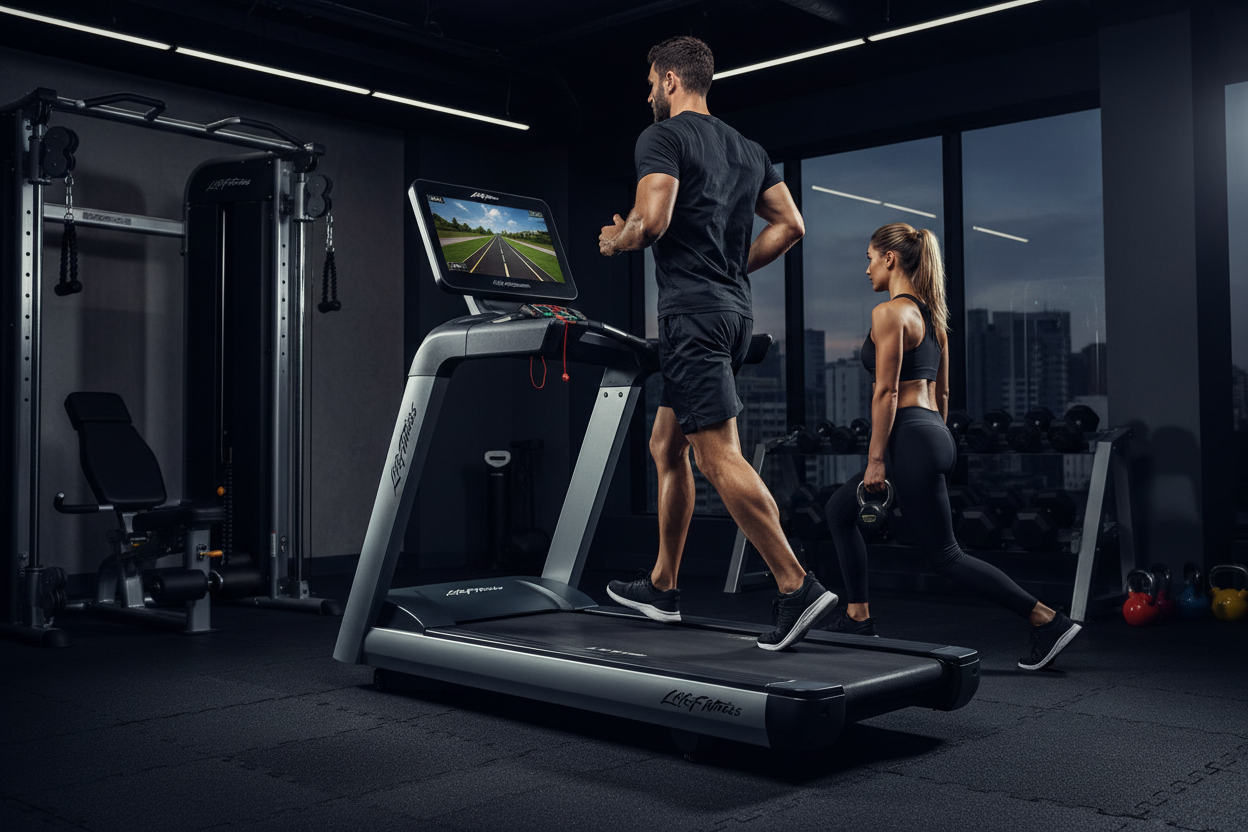
Life Fitness FTR Treadmill: Is It Actually Worth the Investment?
Building a premium home gym often comes down to one major anchor piece: the cardio machine. If you are tired of flimsy running belts and motors that whine when you push the pace, you are likely looking at commercial-tier options. Enter the life fitness ftr treadmill. Designed to bridge the gap between elite health club performance and residential convenience, the life fitness ftr aims to be the last running machine you ever buy. But does it justify the premium price tag? Let's break down exactly what you need to know.
Key Takeaways
- Motor Power: Equipped with a robust continuous duty motor that handles high-speed sprints without lagging.
- FlexDeck Shock Absorption: Reduces joint stress by up to 30% compared to running outdoors.
- Space Requirements: Requires a dedicated, permanent footprint; it is not a folding treadmill.
- Ideal User: Serious runners, marathon trainers, and households with multiple daily users.
Engineering and Build Quality
When evaluating high-end cardio equipment, the foundation is everything. The frame of the life fitness ftr treadmill is built from heavy-duty welded steel, ensuring zero wobble even at top speeds.
Commercial-Grade Feel at Home
What separates this unit from big-box store alternatives is the motor and deck synergy. The motor operates at a lower RPM, which means it stays cooler and runs quieter, significantly extending its lifespan. Pair that with a spacious running surface, and you have a machine that accommodates tall runners with long strides comfortably.
Space Planning for Your Home Gym
Premium performance requires dedicated space. Unlike entry-level models, this treadmill does not fold up to slide under a bed.
Footprint and Clearance Needs
You will need a floor space of roughly 80 by 36 inches, plus adequate safety clearance behind the deck. If you are setting this up in a basement gym, pay close attention to ceiling height. The deck step-up height is around 8 inches, so add that to the height of your tallest user to ensure you will not be scraping the ceiling during an incline run.
From Our Gym: Honest Take
We have put hundreds of miles on the life fitness ftr in our testing facility, and the standout feature for me is the FlexDeck shock absorption system. As someone who logs 30-plus miles a week and struggles with mild knee pain, the difference between this deck and asphalt is night and day. The belt grips well, and the motor transitions smoothly during interval training.
However, I want to be completely transparent: this machine is a beast to move. Weighing well over 300 pounds, you will absolutely want professional delivery and assembly. Once it is in your garage or basement, it stays there.
Frequently Asked Questions
Is the life fitness ftr treadmill worth it for a home gym?
Yes, if you are a serious runner, have multiple users in your household, or prioritize joint health. The durability and commercial-grade components make it a long-term investment that outlasts cheaper alternatives.
Does it require special electrical wiring?
Most Life Fitness residential treadmills run on a standard 120V, 15-amp North American outlet, but it is highly recommended to use a dedicated circuit to prevent tripping breakers during peak motor draw.
How much maintenance does the running belt need?
The life fitness ftr features a pre-lubricated belt and deck system that requires minimal maintenance. However, keeping the motor bay free of dust and wiping down the console after sweaty sessions will extend its life.