Leg Day Without the Gym: A Realistic Guide to Sculpting Lean Legs at Home
You want to know the secret to defined quads and tight hamstrings without stepping foot in a weight room. The direct answer is that bodyweight resistance, combined with high-volume repetitions and a focus on lowering body fat, is the most effective approach. You do not need heavy machinery to see results. By utilizing compound movements that target multiple muscle groups simultaneously, you can stimulate muscle growth and burn calories efficiently right in your living room.
I spent years thinking that running was the only path to lower body definition. I would log mile after mile on the pavement, confused why my legs felt strong but looked the same. It wasn't until I swapped half of my running days for lunges, squats, and step-ups that the actual shape of my legs began to change. The muscle definition finally popped because I stopped just burning calories and started building structure. That shift in mindset is crucial if you want to see real changes in the mirror.
Mastering the Basics at Home
Learning how to tone legs fast at home comes down to consistency and intensity. Since you aren't using a 200-pound barbell, you have to make the exercises harder by changing the tempo. Instead of rushing through a squat, take three seconds to lower yourself and one second to explode up. This increases time under tension, forcing your muscle fibers to work harder without extra external weight.
Space is rarely an issue. You need about as much room as a yoga mat. The key is to minimize rest times between sets to keep your heart rate elevated, which helps with the fat-loss component of toning. This approach turns a strength workout into a cardiovascular session, giving you a double benefit.
The Top Movements for Rapid Results
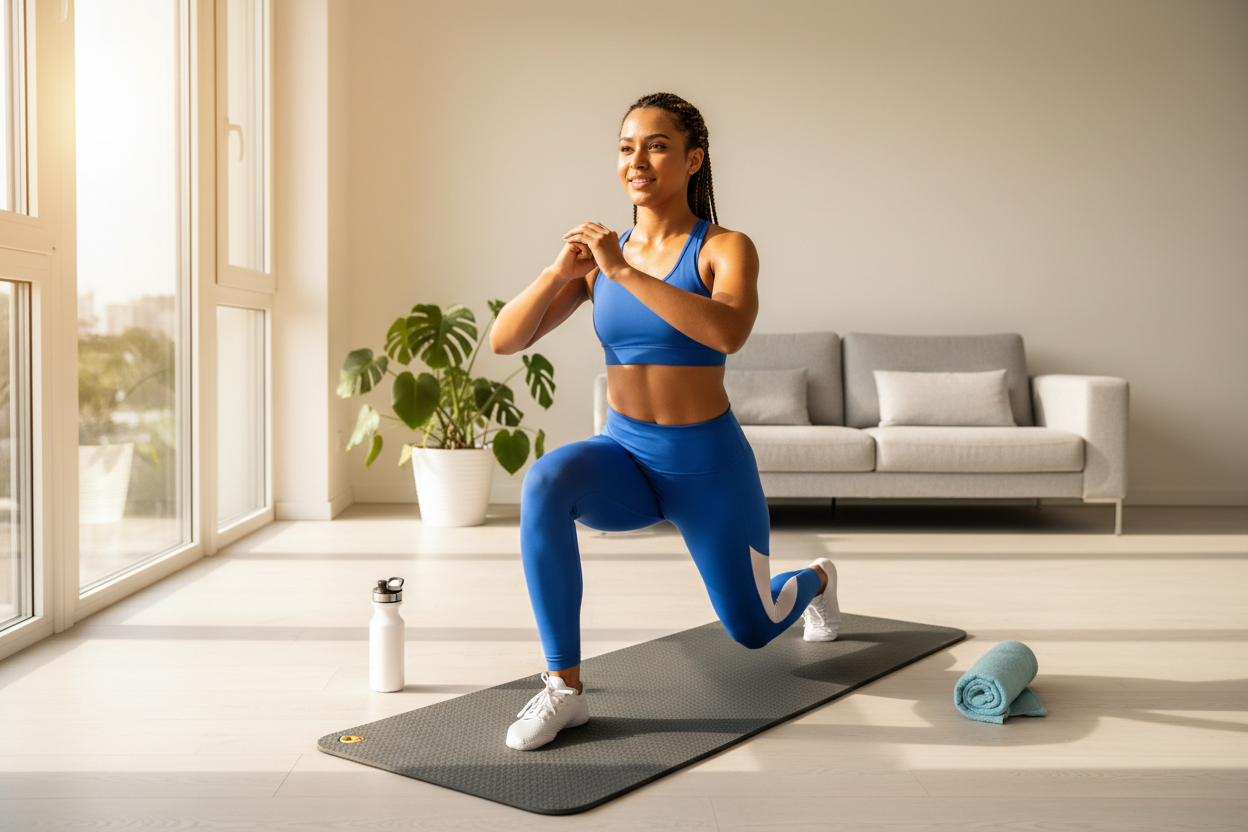
If you have limited time, you need to prioritize movements that offer the highest return on investment. The best exercise for toning legs fast is arguably the split squat (or Bulgarian split squat). It isolates one leg at a time, fixing muscle imbalances and placing a massive demand on your quads and glutes. Because it requires balance, your stabilizing muscles fire up, increasing the overall intensity.
However, a single move isn't a routine. To build a complete workout, you should rotate through the best exercises to tone legs fast. These include:
- Reverse Lunges: These are safer on the knees than forward lunges and heavily target the glutes and hamstrings.
- Glute Bridges: Essential for the posterior chain. Do these single-legged for an added challenge.
- Curtsy Lunges: These target the inner and outer thighs, hitting angles that standard squats miss.
- Jump Squats: Adding a plyometric element is excellent for explosive power and burning fat.
Rotating these movements ensures you hit the legs from every angle, preventing plateaus and boredom.
The Reality of the Two-Week Timeline
We often hear people ask how to get your legs in shape in 2 weeks. While it is possible to feel a difference in that timeframe, visual transformation takes a bit longer. In two weeks of consistent training, you will notice your legs feel firmer. Fluid retention may decrease, and your posture will likely improve. You will feel stronger walking up stairs.
However, significant muscle definition usually requires 4 to 6 weeks of dedicated effort. The two-week mark is a milestone, not the finish line. Use those first 14 days to establish the habit and wake up your neuromuscular system. If you stick with it, the visual rewards will follow shortly after.
Diet and Definition: The Leaning Process
You can do a thousand squats a day, but if your body fat percentage remains high, those muscles will stay hidden. Learning how to tone and lean your legs requires a two-pronged attack: muscle building (exercise) and fat reduction (nutrition). You do not need to starve yourself, but you should aim for a slight caloric deficit.
Prioritize protein intake. Muscle repair requires amino acids, and protein keeps you fuller for longer. Hydration is equally important; often, what we perceive as "flab" is actually water retention caused by high sodium intake and dehydration. Drinking enough water helps flush out excess sodium and gives your legs a tighter appearance.
Structuring Your Routine
The best way to get legs in shape is to follow a structured plan rather than doing random exercises. A 3-day-per-week split works well for most people. This allows for recovery, which is when the actual muscle toning happens. Overtraining can lead to inflammation and water retention, making the legs look puffy rather than toned.
Here is a sample circuit to get legs in shape efficiently:
- Bodyweight Squats: 20 reps
- Reverse Lunges: 15 reps per leg
- Glute Bridges: 20 reps
- Calf Raises: 25 reps
- Wall Sit: Hold for 45 seconds
Repeat this circuit 3 to 4 times with 60 seconds of rest between rounds. This volume is sufficient to stimulate change without requiring hours of your day.
Walking and Low-Impact Movement
Heavy lifting isn't the only requirement. How to get fit legs also involves what you do during the other 23 hours of the day. Walking is an underrated tool for leaning out legs. It burns fat without spiking cortisol (stress hormone) levels, which can sometimes lead to holding onto belly and thigh fat. Aiming for 8,000 to 10,000 steps a day ensures you are active enough to reveal the muscle you are building during your workouts.
Combining Methods for the Ultimate Look
The best way to get toned legs involves variety. If you only do squats, your body adapts. If you only walk, you won't build muscle. Combine resistance training 3 days a week with daily walking and a protein-rich diet. This triad creates the environment for lean, strong legs.
Consistency beats intensity in the long run. Missing one workout won't ruin your progress, but missing three weeks will. Find a routine that fits your lifestyle so you can maintain it for months, not just days. That is how you get results that last.
Frequently Asked Questions
Will bodyweight leg exercises make my legs bulky?
No, bodyweight exercises generally do not provide enough resistance to create significant bulk. They build endurance muscle fibers (Type I), which tend to be leaner. "Bulk" usually requires heavy weights and a calorie surplus, whereas toning comes from higher reps and a calorie deficit.
How often should I train my legs to see results?
Training legs 2 to 3 times per week is ideal for most people. This frequency provides enough stimulation for muscle growth while allowing 48 hours of rest between sessions for recovery. Training every day can actually hinder progress by preventing muscles from repairing themselves.
Can I spot-reduce fat from my thighs?
You cannot target fat loss specifically from your thighs through exercise alone. While leg exercises build muscle in that area, fat loss occurs systemically across the entire body through a calorie deficit. As you lose total body fat, your legs will naturally become leaner and more defined.