Leg and Butt Workouts: Complete Lower Body Programming, Biomechanical Cues, and Floor Mat Staging
Foundations of Effective Leg and Butt Workouts
Building balanced lower body strength requires an understanding of how the kinetic chain operates across the hips, knees, and ankles. Complete leg and butt workouts should address both the posterior chain and the anterior leg musculature rather than overloading a single movement pattern. When planning a comprehensive leg butt workout, lifters benefit from distinguishing between knee-dominant movements and hip-dominant patterns to ensure equal stimulus across the quadriceps, hamstrings, and gluteal groups.
A well-rounded legs and buttocks workout distributes training stress across multiple planes of motion. Squatting patterns focus primarily on knee extension and deep hip flexion, recruiting the quadriceps alongside the lower glute fibers. In contrast, hip hinge variations emphasize horizontal hip displacement, loading the hamstrings and posterior gluteal complexes under stretch. When structuring an effective lower body routine, pairing these complementary movement pathways helps create balanced functional strength and lower body symmetry.
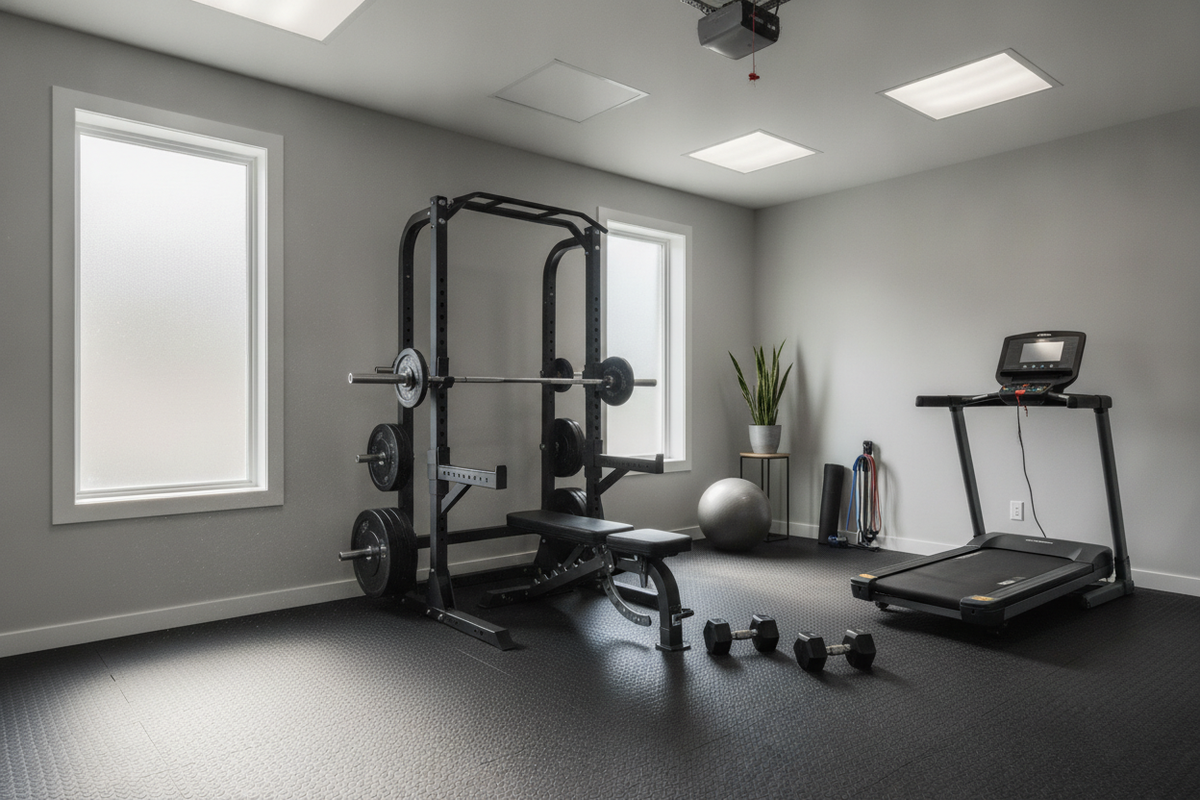
Grounded force transfer is the foundation of every heavy lower-body pattern. Without a firm, non-slip training surface, mechanical energy dissipates through unstable footing, diminishing muscle recruitment and disrupting movement alignment. Establishing a dedicated, dense floor station provides the tactile feedback necessary to maintain midfoot balance and drive force directly into the ground during demanding sets.
Core Movement Archetypes for Lower Body Hypertrophy and Strength
A successful lower body session integrates distinct compound and isolation movement archetypes to stimulate muscle fibers across full ranges of motion. Balancing these patterns allows lifters to achieve comprehensive muscular development across all major lower-body muscle groups.
- Hip Hinges: Movements such as Romanian deadlifts and conventional deadlifts place the hamstrings and gluteus maximus under high mechanical tension while in a lengthened position.
- Bilateral and Unilateral Squats: Back squats, front squats, and Bulgarian split squats drive deep knee flexion and hip extension, challenging the quads and glutes simultaneously.
- Shortened-Position Glute Extensions: Barbell hip thrusts and weighted glute bridges isolate the glutes at peak contraction where horizontal hip extension load is greatest.
- Hip Abduction and Rotation: Lateral band walks, cable abductions, and curtsey lunges recruit the gluteus medius and minimus, which are critical for hip stabilization.
Integrating these movement archetypes creates a complete booty and leg training framework. For lifters seeking to optimize their mind-muscle connection during compound lifts, exploring targeted glute activation strategies during lower body training can help ensure the gluteal muscles engage effectively rather than letting secondary synergists dominate the movement.
Incorporating a dedicated legs bums workout routine that cycles between knee-dominant and hip-dominant priorities ensures that no single muscle group is overtrained while supporting continuous progress.
Designing a Focused Leg and Butt Workout Session
Structuring an individual training session requires logical exercise sequencing, moving from dynamic preparation to high-load compound lifts, followed by unilateral accessories and targeted isolation work. This approach balances neuromuscular efficiency with energy management.
Phase 1: Dynamic Warm-Up and Muscle Priming
Begin with multi-planar mobility exercises such as world's greatest stretches, bodyweight deep squats, and hip 90/90 rotations. Follow this with low-load activation work, such as lateral band walks and single-leg glute bridges, to warm the hip joint capsules and prime the stabilizers.
Phase 2: Primary Compound Lifts
Perform heavy bilateral movements early in the session when central nervous system readiness is highest. Barbell back squats or Romanian deadlifts fit well here, utilizing moderate-to-heavy loads with full rest intervals to prioritize mechanical tension and stability.
Phase 3: Unilateral and Secondary Builders
Transition into unilateral movements such as walking lunges, step-ups, or Bulgarian split squats. Unilateral exercises identify and correct side-to-side strength discrepancies while placing significant demand on hip stabilizers. For those tailoring sessions to home setups, reviewing a dedicated women's dumbbell strength guide offers practical ideas for loading unilateral movements with free weights.
Phase 4: Isolation and Metabolic Finishers
Conclude the session with high-repetition isolation exercises such as cable kickbacks, machine hip abductions, or frog pumps. Utilizing controlled tempos, short rest intervals, and peak contraction pauses maximizes metabolic stress without adding excessive axial spinal load to complete an effective leg and butt workout for women and men alike.
Flooring Staging and Surface Stability for Lower Body Lifting
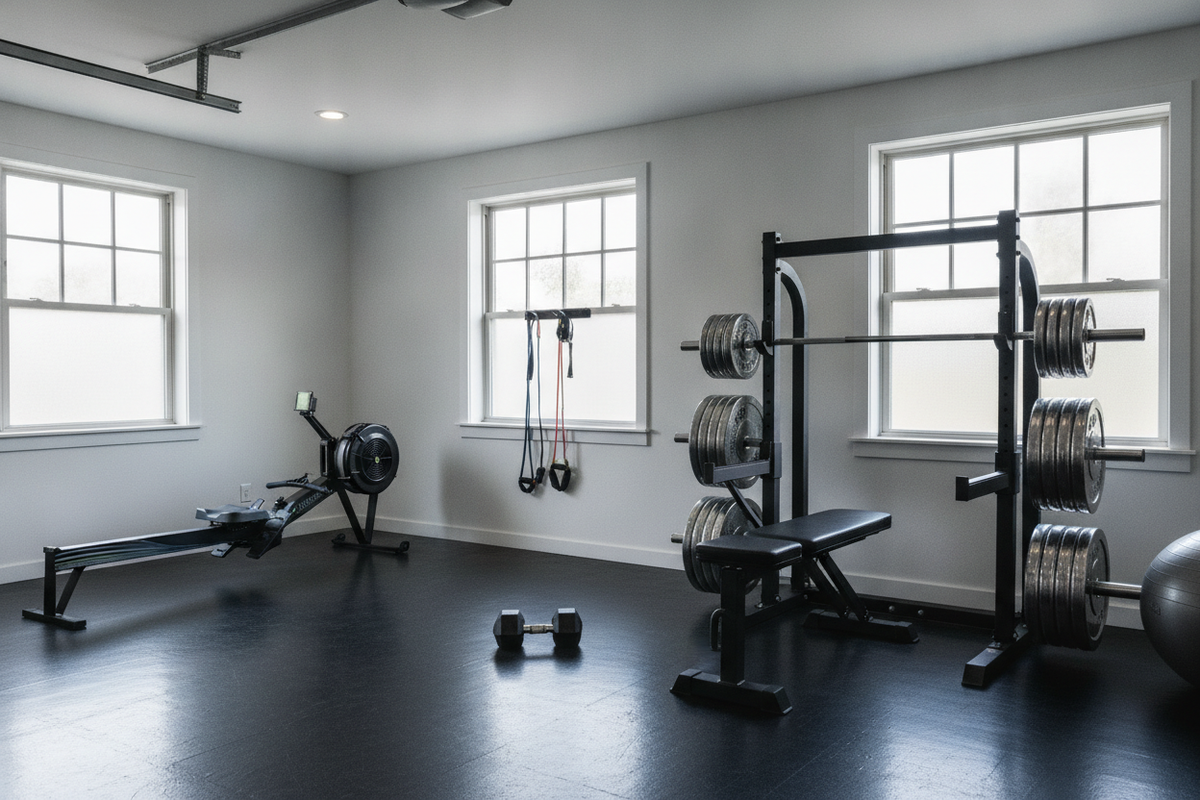
Surface firmness and traction directly influence lifting mechanics during lower body training. Executing heavy lifts on soft, squishy surfaces or slick flooring introduces instability that can disrupt bar paths and compromise joint alignment.
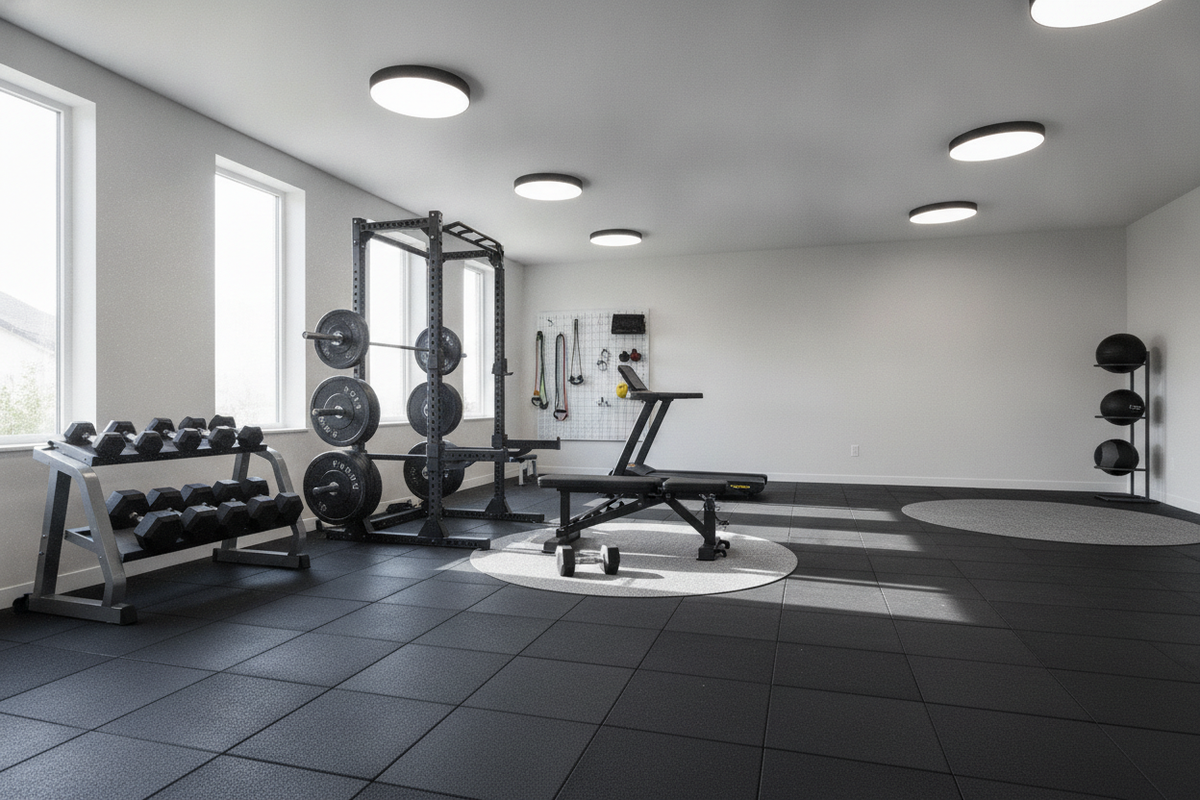
During wide-stance barbell squats, sumo deadlifts, or dynamic lunges, footwear and feet must grip the floor securely. A dedicated high-density large exercise mat creates a stable, non-slip base that supports proper force distribution across the entire foot tripod. Unlike plush mats that compress unpredictably under load, high-density materials provide a firm foundation that mimics solid platform lifting while offering cushioning for floor-based bridge work.
Additionally, dedicated gym flooring protects the underlying subfloor from the repeated impact of dropped dumbbells, kettlebells, and barbell plates. Setting up a broad workout area also ensures ample room for dynamic exercises such as walking lunges, broad jumps, and lateral shuffles without the risk of stepping off the mat boundary mid-repetition.
Common Biomechanical Mistakes and Form Adjustments
Maintaining technical precision is vital when performing high-load lower body movements. Minor biomechanical deviations can shift tension away from the target muscles and onto vulnerable connective tissue.
- Knee Valgus (Knee Collapse): During squats and lunges, knees may cave inward due to weak hip abductors or improper foot pressure. Cue driving the knees outward in line with the second and third toes while maintaining firm contact with the floor.
- Lumbar Hyperextension on Hip Thrusts: Overextending the lower back at the top of a hip thrust reduces glute engagement. Keep the ribcage depressed, chin tucked toward the chest, and focus on achieving a posterior pelvic tilt at full extension.
- Rounding the Spine During Hinges: Rounding the upper or lower back during deadlifts shifts tension off the hamstrings and glutes onto spinal erectors. Maintain a neutral spine, initiate the movement by pushing the hips backward, and keep weights close to the shins.
- Heel Lifting: Shifting weight onto the toes during squats limits posterior chain activation and increases patellar strain. Root the heel, base of the big toe, and base of the pinky toe firmly into the floor mat surface.
Recovery, Mat Maintenance, and Routine Progression
Long-term progression in lower body development relies on structured overload and adequate recovery. Muscle growth and strength adaptations occur during the recovery window between sessions. Managing training volume, getting sufficient sleep, and fueling with balanced nutrition allow the lower body musculature to repair and adapt.
To maintain a clean and safe training environment, clean your exercise mats regularly. Sweat, chalk, and dirt can accumulate on textured surfaces, reducing grip over time. Wiping down a spacious home gym floor mat with mild soap and water after intense sessions preserves surface traction and material integrity for long-term use.
When progressing your leg and butt workouts, apply progressive overload systematically. While adding weight to the bar is a primary method, lifters can also progress by increasing repetitions, improving movement tempo, pausing at points of peak tension, or shortening rest intervals. Consistent execution of these fundamentals builds lower body strength, balance, and resilience over time.