Lateral Raise Equipment: Is It Actually Worth the Investment?
If you have been chasing that wide, 3D-shoulder look, you already know the struggle. Dumbbell lateral raises are a staple, but they come with a built-in flaw: the resistance profile is uneven, and the moment the weight gets heavy, your traps take over. This is where investing in dedicated lateral raise equipment can completely transform your upper body training, especially in a home gym setting.
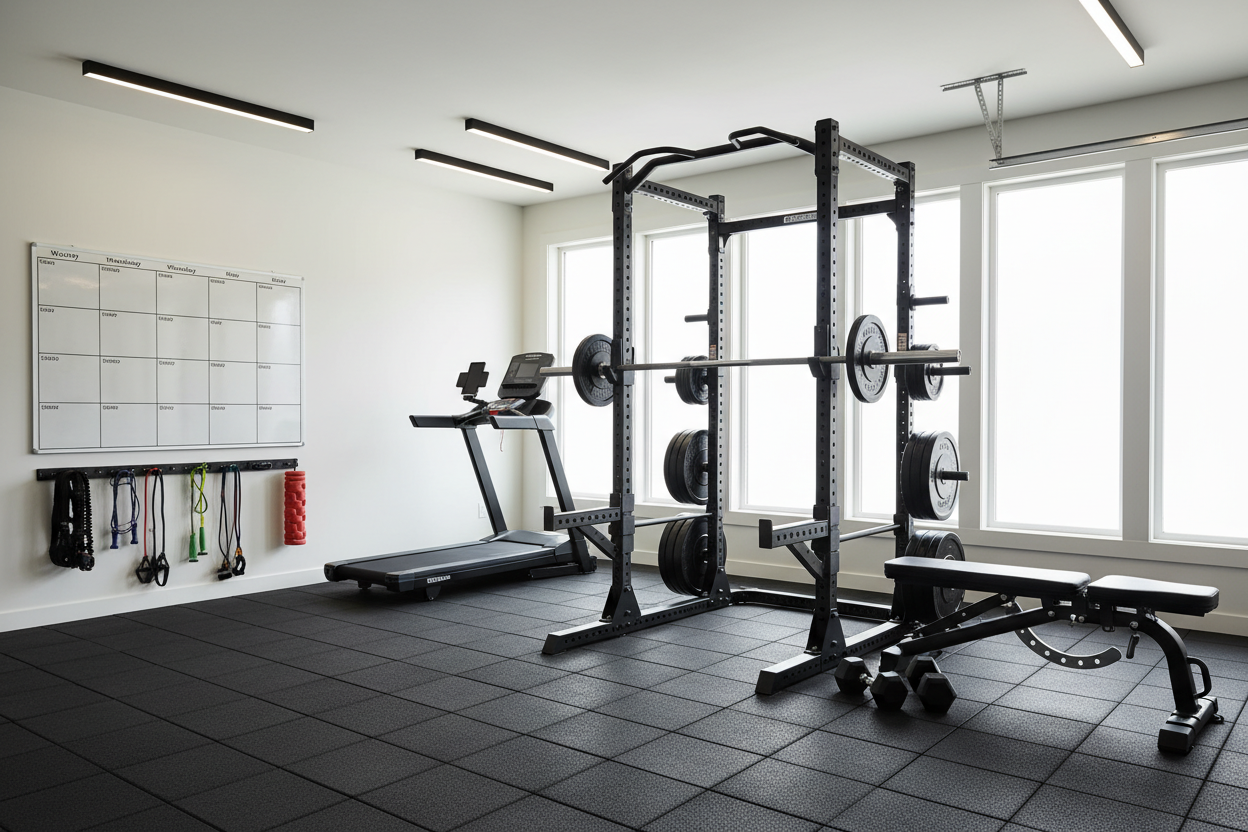
Whether you are outfitting a two-car garage or a tight basement corner, deciding to add a specialized isolation piece is a big step. In this guide, we will break down what to look for, how to use it, and whether it deserves a spot on your gym floor.
Key Takeaways
- Continuous Tension: A shoulder lateral raise machine provides consistent resistance throughout the entire range of motion, unlike free weights.
- Strict Isolation: Using a side delt machine eliminates momentum, preventing lower back and trap compensation.
- Space Considerations: Plate-loaded models save significant space and money compared to selectorized weight-stack units.
- Joint Health: A well-designed lateral arm raise machine reduces stress on the rotator cuff by placing the load precisely on the elbows and lateral deltoids.
Why Upgrade to a Dedicated Shoulder Lateral Machine?
Dumbbells vs. Machine Raises
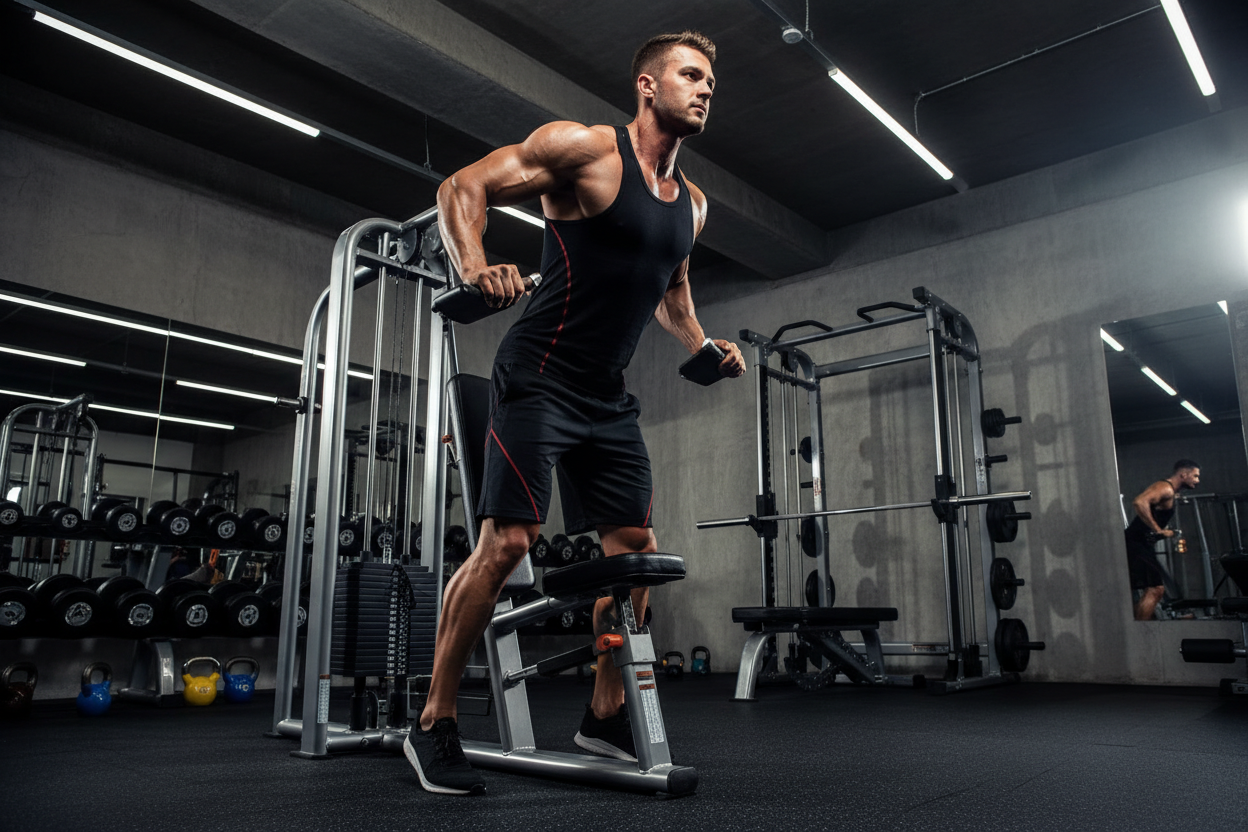
When you perform a standard dumbbell raise, there is almost zero tension at the bottom of the movement. The exercise only gets hard at the top. A machine lateral raise changes the game by utilizing cams or specific pivot points to keep the lateral deltoid under constant tension. This mechanical advantage is why many bodybuilders prefer lateral raises on machine setups for maximum hypertrophy.
Targeting the Stubborn Side Delts
The lateral head of the deltoid is notoriously difficult to isolate. When you use a lateral delt machine (sometimes called a lateral fly machine or side lateral machine), you lock your torso in place. This forces the machine side lateral raise to be executed purely by the target muscle, making it one of the most efficient ways to build shoulder width.
Home Gym Space & Buying Considerations
Footprint and Dimensions
Space is the ultimate currency in a North American home gym. A commercial seated lateral raise machine with a 200-pound weight stack can easily eat up a 4x5 foot block of floor space. If you are working with a tight basement gym, consider a plate-loaded dumbbell lateral raise machine or a compact side delt raise machine. These typically require half the footprint and utilize the Olympic plates you already own.
Build Quality and Adjustability
Not all deltoid raise machine models are created equal. Look for units with adjustable seat heights and articulating arms. A high-quality lateral deltoid raise machine must align its pivot point exactly with your shoulder joint. If the machine lacks seat adjustability, taller or shorter lifters will experience unnatural joint stress during their machine shoulder raise.
Training: Maximizing Your Lateral Machine Workout
Perfecting Your Lateral Raise Machine Form
Learning how to use lateral raise machine equipment properly is crucial. Adjust the seat so your shoulders align with the machine's pivot point. Keep your chest up against the pad (if it is a chest-supported seated side lateral machine), and drive the weight up by leading with your elbows, not your hands. This ensures the delt raises machine does its job without irritating your rotator cuff.
Programming the Machine Raises
Because a lateral flyes machine provides such strict isolation, it is best placed after your heavy compound pressing. Try doing 3 to 4 sets of 12-15 reps on your shoulder side raise machine. For a brutal finisher, run a drop set on the lateral delt raise machine—stripping plates is incredibly fast and safely pushes the muscle to absolute failure.
From Our Gym: Honest Take
When we first brought a plate-loaded lateral press machine into our garage gym facility, I was skeptical about giving up floor space for a single-joint isolation piece. But after six months of heavy use, it has become the most fought-over machine on shoulder day.
Here is my honest takeaway: The mind-muscle connection is unmatched. I used to cheat my 40-pound dumbbell raises with a little knee bend. Locked into the lateral raise on machine, I was humbled—I had to drop to just 25 pounds per side. The knurled handles and thick elbow pads on our specific model made a huge difference in comfort. However, a quick warning: if you are under 5'4", you might find that the elbow pads on some entry-level machine side lateral units do not adjust low enough, which can throw off the pivot alignment. Always check the minimum seat height spec before buying.
Frequently Asked Questions
Are machine lateral raises good for beginners?
Absolutely. In fact, learning how to do lateral raises machine style is often safer for beginners than free weights. The fixed path of a shoulder lateral raise machine teaches proper elbow drive and prevents the swinging momentum that often leads to injury.
How much weight should I use on a lateral deltoid machine?
Start light. Because a side to side machine isolates the muscle so strictly, you will likely use less weight than you do with dumbbells. Focus on a slow, controlled negative rather than ego-lifting heavy plates.
Can a machine lateral replace overhead pressing?
No. While a shoulder raises machine is phenomenal for building the width of the side delts, overhead pressing is still necessary for overall shoulder mass and anterior (front) delt development. Use both for a complete 3D shoulder routine.