Is Your Home Gym a Safety Hazard? Here’s How to Organize Like a Pro
You can’t get a decent pump if you are constantly worried about tripping over a stray 25-pound plate. One of the most overlooked aspects of building a physique isn't the program you follow or the protein you consume; it's the environment where you train. A chaotic workout space kills motivation faster than a plateau. If you are spending ten minutes shuffling plates around just to find your matching dumbbells, your heart rate drops, your focus shatters, and the intensity of the session evaporates.
Organization is the silent partner in your fitness journey. When every piece of iron has a designated home, you move seamlessly from one exercise to the next. This flow is essential for metabolic conditioning and maintaining time under tension. Beyond the psychological benefits, there is the undeniable factor of safety. Home gyms are often tight spaces—garages, spare bedrooms, or basements—where floor space is at a premium. Leaving heavy metal objects on the floor is a recipe for broken toes or, worse, a tripping accident while carrying a heavy load.
The Real Cost of Clutter: A Personal Lesson
I learned the hard way that floor storage is no storage at all. A few years ago, I was training in a converted garage space that I was incredibly proud of. I had accumulated a serious collection of hex dumbbells and Olympic plates, but I hadn't invested a dime in organization. I told myself that racks were a waste of money that could be spent on more weights.
That logic held up until I was finishing a set of heavy lunges. My legs were jelly, and as I turned to rack the weights (which meant dropping them on a rubber mat), I stepped backward onto a 5-pound plate that had rolled behind me. I didn't break anything, but the ankle sprain kept me from squatting for six weeks. That downtime cost me more progress than any piece of equipment ever could. The very next day, I started looking for a proper cap weight stand to get the iron off the ground. It changed the entire vibe of the room. The space felt bigger, cleaner, and infinitely more professional.
Choosing the Right Storage Architecture
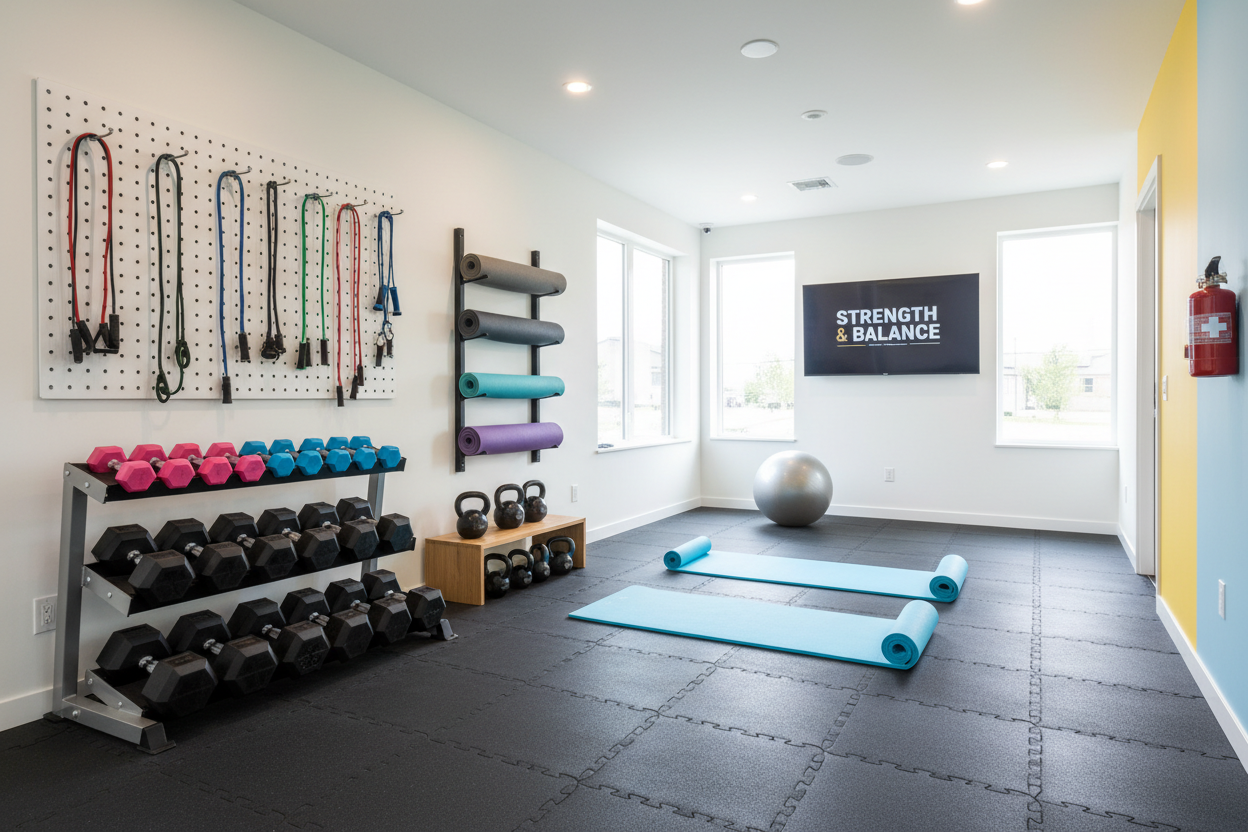
When you decide to reclaim your floor, you have to look at what you are actually lifting. Not all racks are created equal, and the geometry of your storage matters just as much as the weight capacity. If you are working with a standard set of 5 to 50-pound hand weights, you need a tiered system that allows for easy grabbing without pinching your fingers.
This is where equipment like the cap dumbbell storage rack becomes a staple in many home setups. The design is usually pragmatic, focusing on angled shelving. That angle is crucial. Flat shelves force you to bend your wrist awkwardly to lift the weight off, but an angled shelf meets your hand in a natural gripping position. It reduces strain on the wrists before you even start the set. Durability is the other factor here. You need steel that won't buckle under hundreds of pounds of constant pressure.
Vertical vs. Horizontal Storage
Space constraints usually dictate whether you go vertical or horizontal. If you are in a small apartment or a tight corner of a bedroom, an A-frame rack is your best friend. These vertical stands minimize the footprint, stacking weights upward rather than spreading them out. However, they can be tricky if you have very large, heavy dumbbells, as the handles can sometimes interfere with each other.
For those with a bit more wall space, a horizontal 2-tier or 3-tier rack is superior. It allows you to organize weights by progression, making drop sets incredibly easy. You just move down the line. A sturdy cap barbell weight rack in a horizontal configuration usually offers the best stability for heavier loads. You don't have to worry about the center of gravity shifting if you take the heavy weights off one side, which can sometimes be a concern with cheaper, lightweight vertical stands.
Aesthetics and Atmosphere
We used to think of gyms as dark, gritty dungeons, but modern fitness design has shifted. People want workout spaces that feel open, airy, and energized. The industrial black steel look is classic, but it isn't the only option anymore. Your equipment should match the energy you want to cultivate.
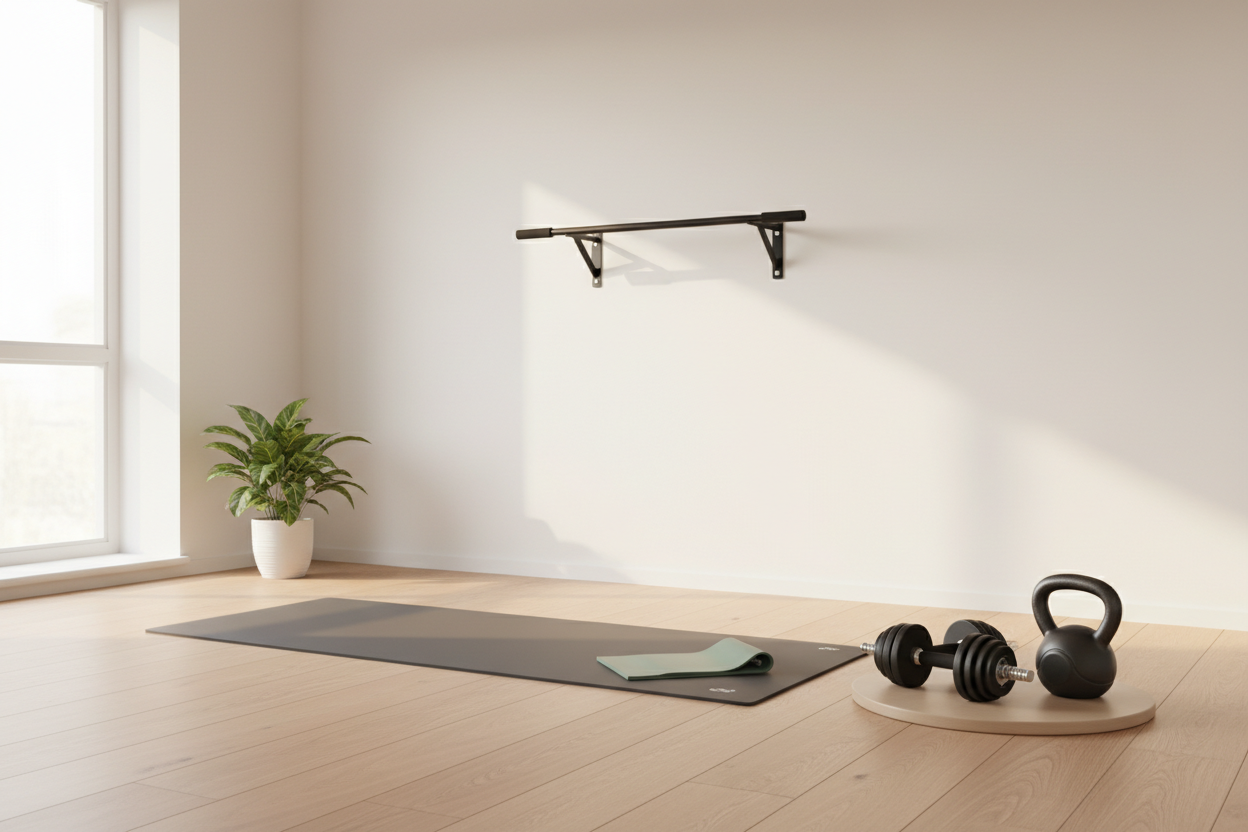
If you have a home studio with light wood floors, mirrors, and plenty of natural light, a chunk of black metal might look out of place. This is where finding a dumbbell rack white finish can make a surprising difference. It blends into lighter walls and makes the equipment feel less imposing. While the color doesn't change the weight, it changes how the room feels. A space that looks good is a space you want to spend time in. If your gym feels like a storage closet, you’ll treat it like one. If it looks like a boutique studio, you’ll train with that level of intention.
Protecting Your Investment
Weights are expensive. Iron and rubber prices have skyrocketed, so preserving what you have is just smart economics. Leaving dumbbells on the floor exposes them to moisture, dust, and accidental kicks. If you have adjustable dumbbells, floor storage is essentially a death sentence for the delicate selection mechanisms inside them.
Using a dedicated stand protects the knurling on your bars and the rubber coating on your hex weights. It also protects your floor. Even with rubber mats, heavy weights sitting in the same spot for months can leave permanent indentations in flooring or trap moisture underneath, leading to mold. Elevating your gear allows for airflow and easy cleaning. You can vacuum or mop the entire room without moving a thousand pounds of iron first.
Final Thoughts on Gym Efficiency
Building a home gym is a process of curation. You start with the essentials and expand as you get stronger. But as your strength grows, so does your pile of equipment. Don't wait until you are tripping over plates to address the logistics. Whether you opt for a heavy-duty vertical tree or a sleek white horizontal rack, the goal is the same: eliminate friction.
When you walk into your training space, there should be zero barriers between you and the work. The weights should be waiting, organized, and ready. That level of preparation separates the casual exerciser from the dedicated athlete. Clear the floor, rack the weights, and focus on what actually matters—lifting them.
Frequently Asked Questions
How much weight can a standard home gym rack hold?
Most standard residential weight racks are rated for between 300 to 1,000 pounds, depending on the construction. Always check the manufacturer's maximum load capacity specifications, as exceeding this can cause the steel to bend or the welds to fail, creating a significant safety hazard.
Do I need to bolt my weight rack to the floor?
For most standard dumbbell racks, bolting them down is not necessary as the weight of the dumbbells provides stability. However, if you are using a tall vertical storage unit or a rack for heavy barbells and plates that feels top-heavy, anchoring it to the floor is a smart precaution to prevent tipping.
Can I store kettlebells on a dumbbell rack?
It depends on the shelf design. Angled rails designed specifically for dumbbells usually cannot hold kettlebells safely because the flat bottom of the kettlebell doesn't sit flush. You generally need a rack with flat trays or a universal storage stand to safely house both kettlebells and dumbbells.