Is Yoga Enough? Resistance Training Women Over 50 Actually Need
I remember watching my mother slowly trade her heavy ceramic gardening pots for plastic ones because she felt her 'knees couldn't take it.' It wasn't that her joints were broken; it was that her muscle mass was evaporating. Most advice regarding resistance training women over 50 treats you like a porcelain doll, suggesting light walks and gentle stretching while your bone density takes a nosedive. I have spent twenty years in damp garages and high-end clinics, and I am telling you: treating yourself like you are fragile is the fastest way to actually become fragile.
Quick Takeaways
- Walking and yoga are great for movement, but they do not provide the mechanical tension needed to stop bone loss.
- Compound movements like squats and deadlifts offer the highest return on investment for functional independence.
- Recovery takes longer after 50, so prioritize intensity over frequency—two or three days a week is plenty.
- Safety comes from proper form and stable equipment, not from using lighter weights.
Why Stretching and Walking Aren't Enough Anymore
Walking is fantastic for your cardiovascular health and mental clarity. Yoga is excellent for proprioception and keeping your spine moving. But neither of them can stop sarcopenia—the age-related loss of muscle mass that accelerates after menopause. When estrogen levels drop, your body's ability to maintain muscle and bone density shifts into low gear. You cannot 'stretch' your way into stronger bones. Bone is living tissue that responds to stress; if you do not load it, your body decides it does not need to keep it dense.
Low-impact cardio feels good, but it fails to provide the mechanical tension required to signal your body to build. You need to pick up things that are heavy enough to make your nervous system take notice. We are talking about weight that makes the last two reps of a set of ten feel like a genuine challenge. Without this stimulus, you are essentially watching your metabolic engine shrink year after year. Muscle is your primary currency for longevity; it manages your blood sugar, supports your joints, and keeps your metabolism from cratering.
Free Weights vs. Machines for Aging Joints
There is a tired debate in the lifting world: free weights versus machines. If you are training in your 50s, the answer is 'both,' but for different reasons. Free weights—like dumbbells and kettlebells—are superior for building stabilizer strength. They force the tiny muscles around your hips and shoulders to fire so you don't wobble. This is what keeps you from falling when you trip on a curb. However, they require a higher level of technical skill and can be unforgiving if your form slips.
This is where weight lifting machines come into play. If you have a flared-up lower back or a cranky knee, a fixed-path machine allows you to hammer the target muscle without worrying about balancing the load. I often suggest machines for beginners over 50 because they provide a safe environment to push to failure. You can't 'drop' a leg press on yourself the way you can a barbell. A smart home gym uses free weights for the 'big' movements and machines or cables to add volume without taxing the central nervous system too heavily.
4 Essential Strength Training Exercises for Women Over 50
You do not need a 45-minute circuit of twenty different exercises. You need four movements done with intent. First, the box squat. Sitting down onto a bench or sturdy box and standing back up is the ultimate functional move. It protects the knees by ensuring you sit back into your hips. Second, the floor press. By lying on the floor instead of a bench, the ground acts as a safety stop, preventing your elbows from dropping too low and overstretching the shoulder capsule.
Third, the supported row. Lean one hand on a bench and pull a dumbbell toward your hip. This builds the upper back muscles that counteract the 'slouch' we all get from staring at phones. Finally, the kettlebell deadlift. Learning to hinge at the hips to pick something up off the floor is the single best thing you can do for your lower back. These four movements cover your entire body. If you do nothing else, do these. They build the strength required to carry your own luggage, lift your grandkids, and stay out of a nursing home.
The Incline Dumbbell Press (Shoulder-Friendly Pushing)
Flat bench pressing is a staple in most gyms, but for many women over 50, it is a recipe for shoulder impingement. As we age, the space in the shoulder joint can tighten. Pushing a heavy weight horizontally can pinch the rotator cuff. A slight incline—about 30 degrees—changes the angle of the push, shifting the load to the upper chest and taking the strain off the delicate bits of the shoulder. Using the Gxmmat Adjustable Weight Bench allows you to find that 'sweet spot' angle where you feel the muscle working but the joint feels stable and silent. If it pinches, adjust the angle. It is that simple.
How to Outfit Your Home Space for Joint-Friendly Lifting
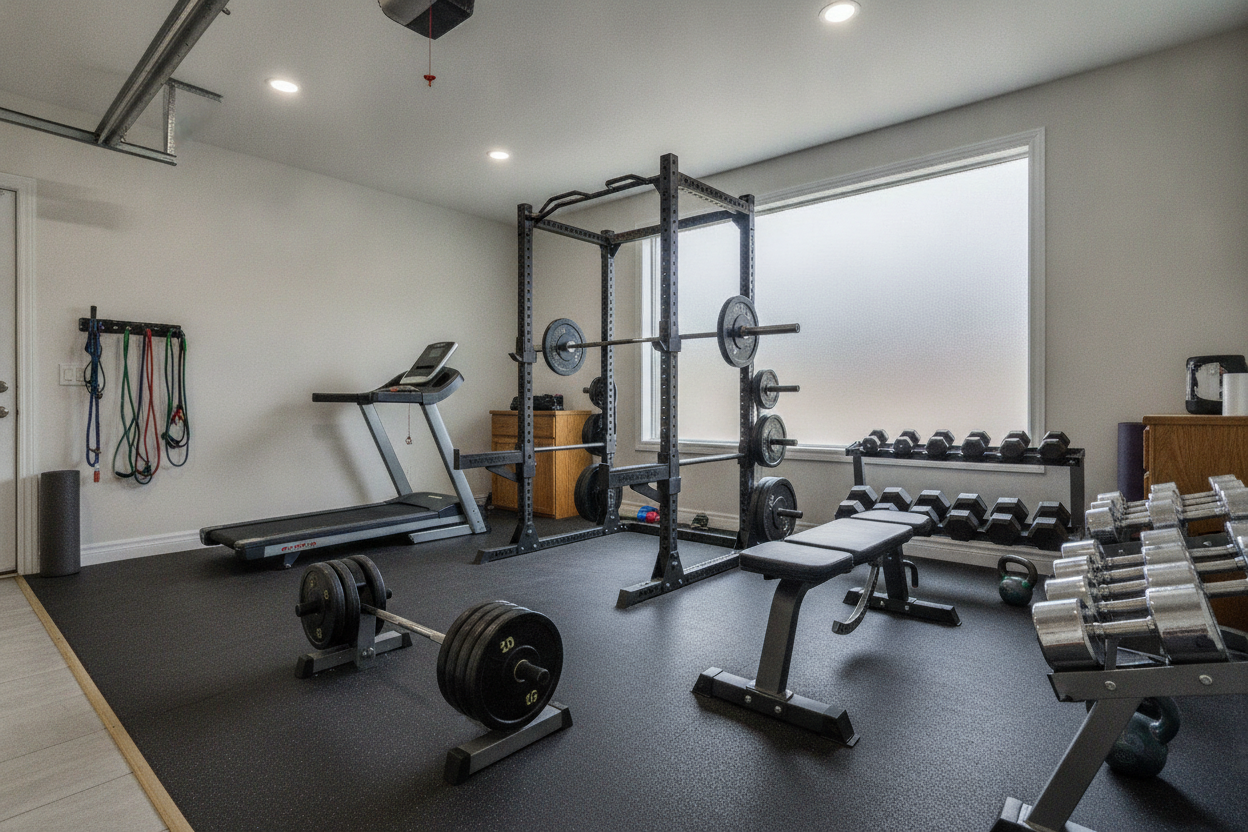
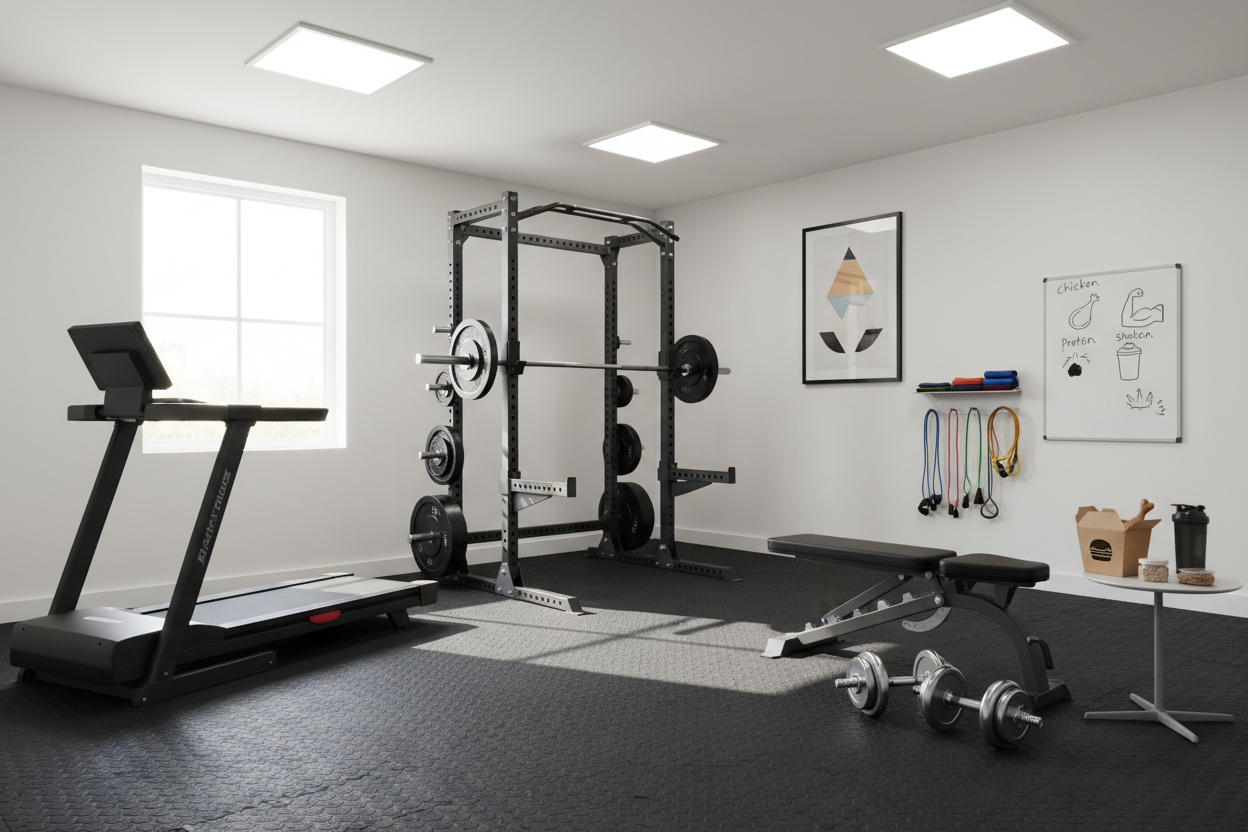
You do not need a commercial-grade power rack to get results, but you do need gear that doesn't feel like a toy. Start with the floor. If you are lifting on bare concrete or thin carpet, your joints will feel it. Get 3/4-inch rubber stall mats. Next, skip the 'beauty' weights. A set of adjustable dumbbells that goes up to at least 25 or 50 pounds will last you years, whereas those 5-lb neoprene ones will be useless in three weeks. Focus on strength training accessories like wrist wraps or lifting straps if you have arthritis; there is no reason to let a weak grip stop you from training your legs and back.
When choosing the best strength and weight training equipment, prioritize stability and footprint. If a bench wobbles when you sit on it, don't buy it. If a dumbbell handle is too thick for your hand to close around comfortably, it's a safety hazard. Your home gym should be an inviting space, not a cluttered obstacle course. A solid bench, a few sets of weights, and some resistance bands are enough to build a world-class physique in your 50s and beyond.
Recovery Rules for Weightlifting for Women Over 50
The biggest mistake I see is trying to train like a 22-year-old. Your muscles can still get just as strong, but your tendons and ligaments are less vascular and take longer to repair. If you lift heavy on Monday, you might not be ready again until Thursday. That is fine. In fact, that is where the growth happens. You don't get stronger in the gym; you get stronger while you sleep. If you are constantly sore, you aren't training hard—you're just under-recovering.
Protein is your best friend here. Most women in this age bracket are chronically under-eating protein. Aim for about 25-30 grams per meal. This provides the amino acids necessary to repair the micro-tears caused by resistance training. If you don't eat enough protein, your body will actually break down your existing muscle to fuel itself, which defeats the entire purpose of the workout. Hydration and 7-8 hours of sleep are non-negotiable. If you treat recovery with the same discipline as your lifting, you will see progress that actually sticks.
Personal Experience: The 'More is Better' Trap
A few years ago, I coached a woman in her mid-50s who was determined to 'beat' her daughter's workout volume. She was hitting the gym six days a week, doing high-intensity intervals and heavy lifting. Within a month, she had golfers' elbow and a nagging hip issue. We scaled her back to three days of focused, heavy lifting with zero 'fluff' cardio. Her strength numbers shot up, and her pain vanished. It was a blunt reminder that for the aging athlete, intensity and recovery are a seesaw. If one side is too high, the other crashes.
Frequently Asked Questions
Will lifting heavy weights make me look bulky?
No. Women over 50 generally do not have the testosterone levels to build massive, bodybuilder-style muscles. You will simply look firmer and have better posture. 'Bulky' is usually a result of diet, not lifting heavy things.
What if I have never lifted weights before?
Start with bodyweight movements to learn the patterns. A box squat is just sitting down. A floor press is just pushing. Once the movement feels natural, add 5 pounds. Progress is a slow ladder, not a vertical jump.
How many times a week should I train?
Two days a week is the minimum for maintenance, but three days is the 'Goldilocks' zone for most women over 50. It allows for a full day of rest between every session, which keeps the joints happy and the motivation high.