Is the Hip Thrust Really the Best Exercise to Work Glutes?
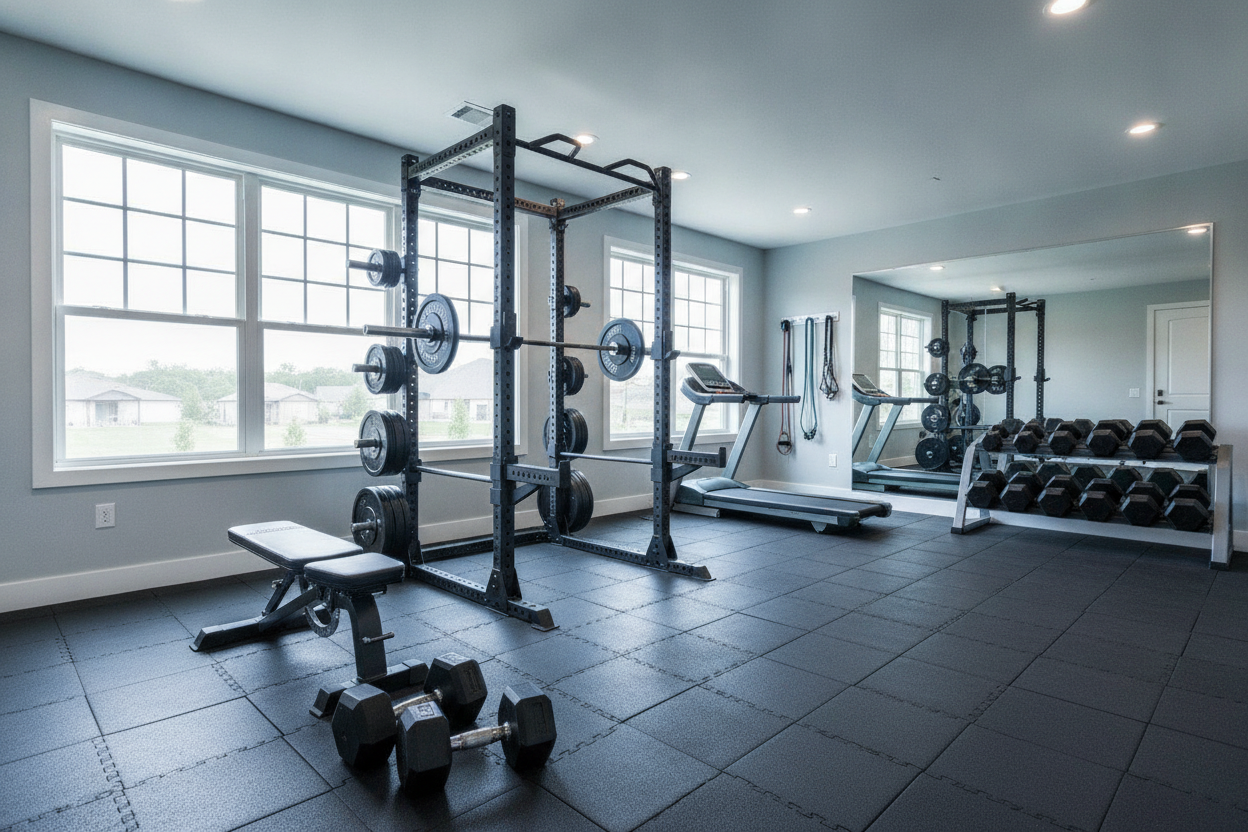
I remember dragging a 45-lb Ohio bar and three sets of plates over to a wobbly bench, bruising my hip bones, and wondering why my lower back felt like it was on fire while my glutes felt absolutely nothing. Everyone on social media claims the hip thrust is the best exercise to work glutes, but if your anatomy isn't built for it, you're just grinding your joints for zero gain. I spent two years forcing myself to love a movement that my body clearly hated because I thought the 'science' was settled.
- Individual hip socket depth determines your squat and hinge depth.
- Long femurs often make traditional back squats a quad-dominant movement.
- Muscle activation doesn't always equal muscle growth if the joint is compromised.
- The 'best' lift is the one where you can actually feel the target muscle working.
Why the 'King of All Exercises' Might Just Be Bad for Your Hips
The fitness industry is obsessed with crowning a 'king' of every muscle group. For glutes, the hip thrust has held the throne for a decade. But here is the reality: your skeleton doesn't care about trends. If you have deep hip sockets—meaning your acetabulum is positioned in a way that limits range of motion—forcing a deep hip thrust or a 'grass-to-grass' squat is a recipe for labral tears, not a better backside.
We also have to talk about femur length. If you have long thigh bones relative to your torso, a barbell back squat is going to turn into a good morning very quickly. You'll lean forward to keep your center of gravity, shifting the load to your spinal erectors and quads. In this scenario, the 'best' exercise for someone else becomes a lower back injury for you. I've seen guys in my gym stack five plates on a bar for thrusts, only to realize their glutes are soft because their hamstrings and back are doing 80% of the heavy lifting.
Stop looking for a universal truth in a textbook. Biomechanics isn't about what works in a lab on a college student; it's about how your specific femoral head rotates inside your pelvis. If a movement feels 'clunky' or causes a pinching sensation in the front of your hip, it doesn't matter how many influencers swear by it. You are fighting your own bone structure, and the bone will always win.
How Your Skeletal Structure Changes Muscle Activation
When your skeleton is misaligned for a specific lift, your brain is smart enough to find the path of least resistance. If you're trying to perform a movement that your hips aren't built for, your body will recruit 'helper' muscles to get the job done. This is why some people can squat for years and only ever grow their quads, while others just look at a barbell and their posterior chain explodes. It is all about finding the exercise glutes actually respond to based on your leverage.
Consider the angle of your femoral neck. If your hips are naturally anteverted (tilted forward), you will likely prefer a narrower stance. If they are retroverted, you'll need a wide, sumo-style stance to actually engage your glutes. Forcing a narrow-stance squat when your bones want to be wide means you'll never reach full hip extension. Without full extension, you're leaving half of your glute gains on the table.
I personally have shallow hip sockets and long femurs. For years, I tried to do standard deadlifts from the floor. My back would round, and my glutes would stay quiet. It wasn't until I switched to block pulls—shortening the range of motion to fit my skeleton—that I actually saw growth. You have to stop treating your body like a machine with standard parts and start treating it like a unique engineering puzzle.
So, What's the Best Exercise for Glutes?
If you're asking what's the best exercise for glutes, you need to stop looking for one magic bullet. The reality is that the gluteus maximus is a massive, complex muscle that performs multiple roles: hip extension, abduction, and external rotation. To fully develop it, you need to hit it from three distinct angles rather than just hammering one lift until your joints give out.
For some, the best 'thrust' isn't a barbell hip thrust at all—it might be a 45-degree back extension where you round the upper back to isolate the hips. For others, a heavy RDL (Romanian Deadlift) is the ultimate builder because it puts the glutes under extreme stretch. You should stop searching for the best exercise and instead build a rotation that includes a vertical press (like a squat or press), a horizontal hinge (like an RDL), and a bridge (like a thrust or floor bridge).
Categorize your training by how your body moves. If you're 'leggy,' you'll likely get more glute involvement from split squats and lunges where you can lean your torso forward. If you have a shorter torso, you might find that conventional deadlifts feel like a dream. The goal is mechanical tension. If you can't load a movement heavy because it feels 'off' in your joints, that movement is useless for hypertrophy, no matter what the EMG studies say.
The At-Home Test to Find Your Ideal Stance and Lift
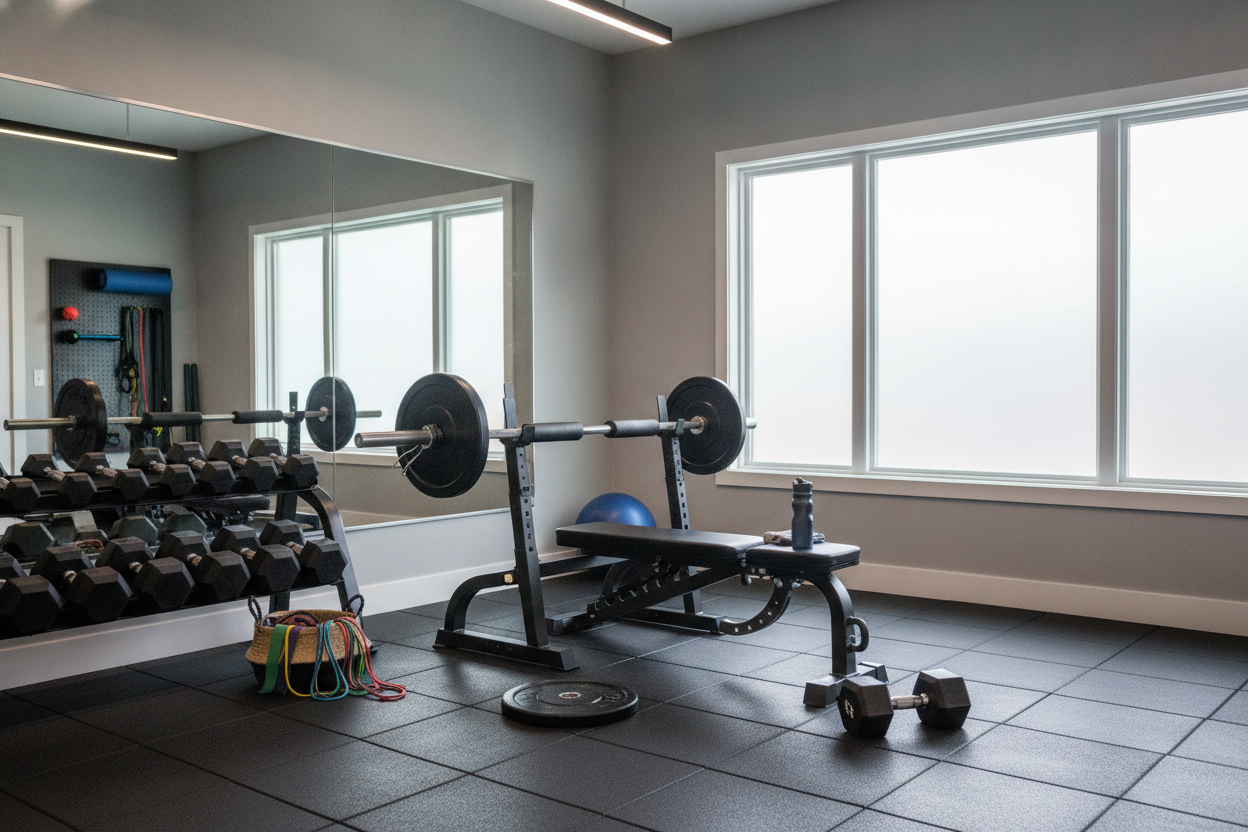
You don't need a lab to figure this out. You can find your ideal hip mechanics right now on the floor. Start by getting into a quadruped position (on all fours). I recommend doing this on a high-density 6x8ft exercise mat so your knees don't slide and you have enough space to test different widths. This is the 'Rock-Back Test.'
Keep your back flat and slowly rock your butt back toward your heels. If your back starts to round at a certain point, stop. That is your natural hip depth. Now, try it again with your knees wider apart. Then try it with your toes pointed out. You are looking for the position where you can rock back the furthest with a perfectly flat spine. That width and toe angle is exactly how you should be stance-ing your squats and deadlifts.
Once you find that 'sweet spot,' try a bodyweight glute bridge on that same mat. If you feel a cramp-like contraction in your glutes, you've found your primary builder. If you only feel your hamstrings, move your feet further away or closer until the glutes take over. This simple diagnostic saves you months of wasted effort in the gym. Stop guessing and start testing.
FAQ
Do I have to do hip thrusts to grow my glutes?
Absolutely not. While they are great for peak contraction, many people find better growth from heavy hinges like RDLs or deep lunges. If thrusts hurt your hips or back, swap them for a 45-degree hyper-extension.
Can I grow glutes with just bodyweight?
To a point, yes, but the glutes are the strongest muscle in the body. They require significant mechanical tension to grow. Eventually, you'll need to add external load—dumbbells, kettlbells, or a barbell—to keep seeing results.
Why do I only feel my quads when I squat?
You likely have long femurs or are staying too upright. Try a wider stance and allow your torso to lean forward slightly (while keeping a neutral spine). This shifts the center of mass and forces the glutes to work harder to pull you back up.
How many times a week should I train glutes?
Two to three times is the sweet spot. This allows for enough volume to trigger growth while giving your central nervous system and joints time to recover between heavy sessions.