Is Dedicated Gym Equipment for Walking Actually Worth the Space?
I used to think walking was for people who didn't want to sweat. I would finish a heavy squat session, hobble to my truck with knees that felt like rusted hinges, and spend my 'rest days' acting like a human statue on the sofa. I was convinced that if it wasn't a 400-pound pull, it wasn't worth my time. I was wrong. My recovery was trash, my joints were stiff, and my resting heart rate was higher than it should have been for someone who trains five days a week. That is when I started looking into gym equipment for walking.
Quick Takeaways
- Walking pads are great for space-saving but usually have a 220-lb weight limit.
- Full-sized treadmills are built for impact; if you only walk, you are paying for features you do not need.
- Always use a high-density mat to prevent motor vibrations from cracking your floor.
- Incline walking is the most efficient way to turn a 'stroll' into a recovery tool.
The Heavy Lifter's Confession About Walking
Stiff joints are the tax we pay for lifting heavy, but they do not have to be a permanent state of being. I realized that my refusal to do low-intensity steady state (LISS) cardio was actually holding back my big lifts. Blood flow is the ultimate recovery tool, and sitting on a couch does not move blood. Adding walking fitness equipment to my setup was not about 'losing weight'—it was about being able to walk down my stairs without my patellar tendons screaming at me.
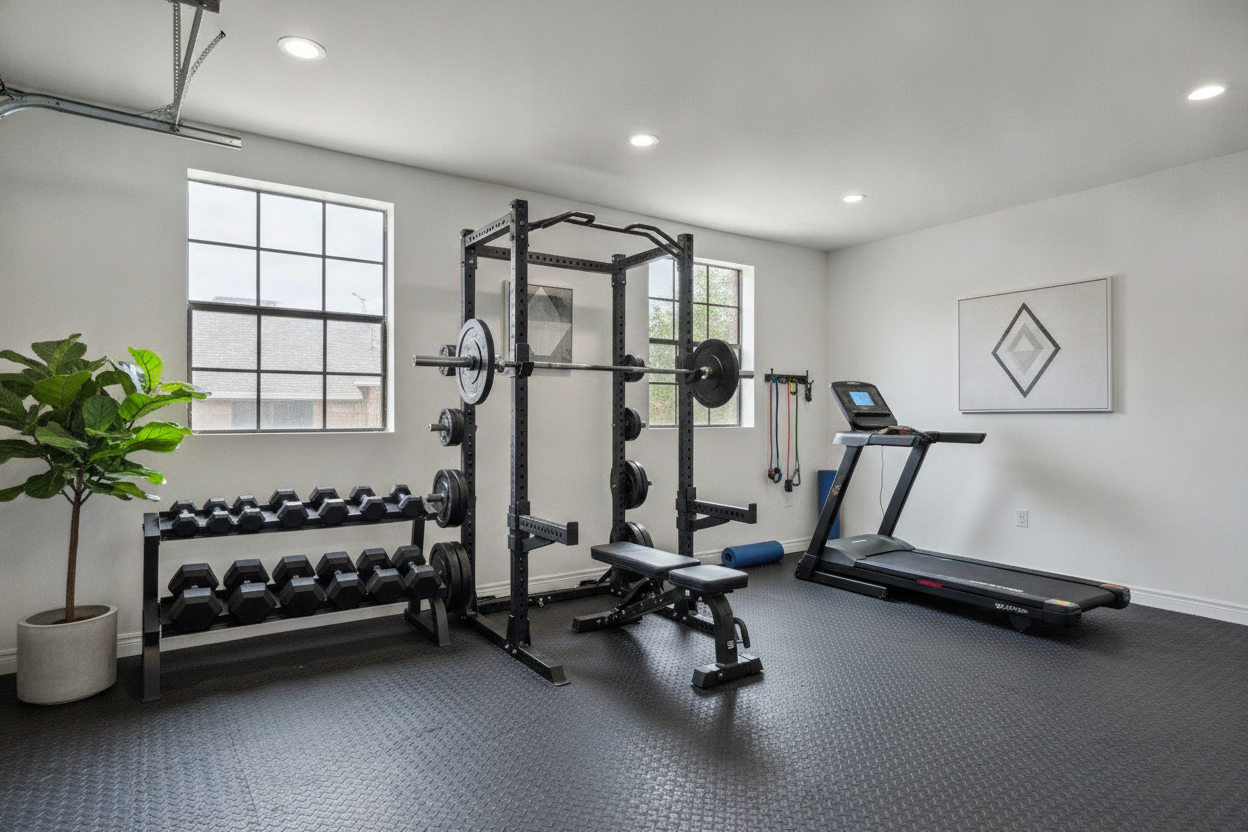
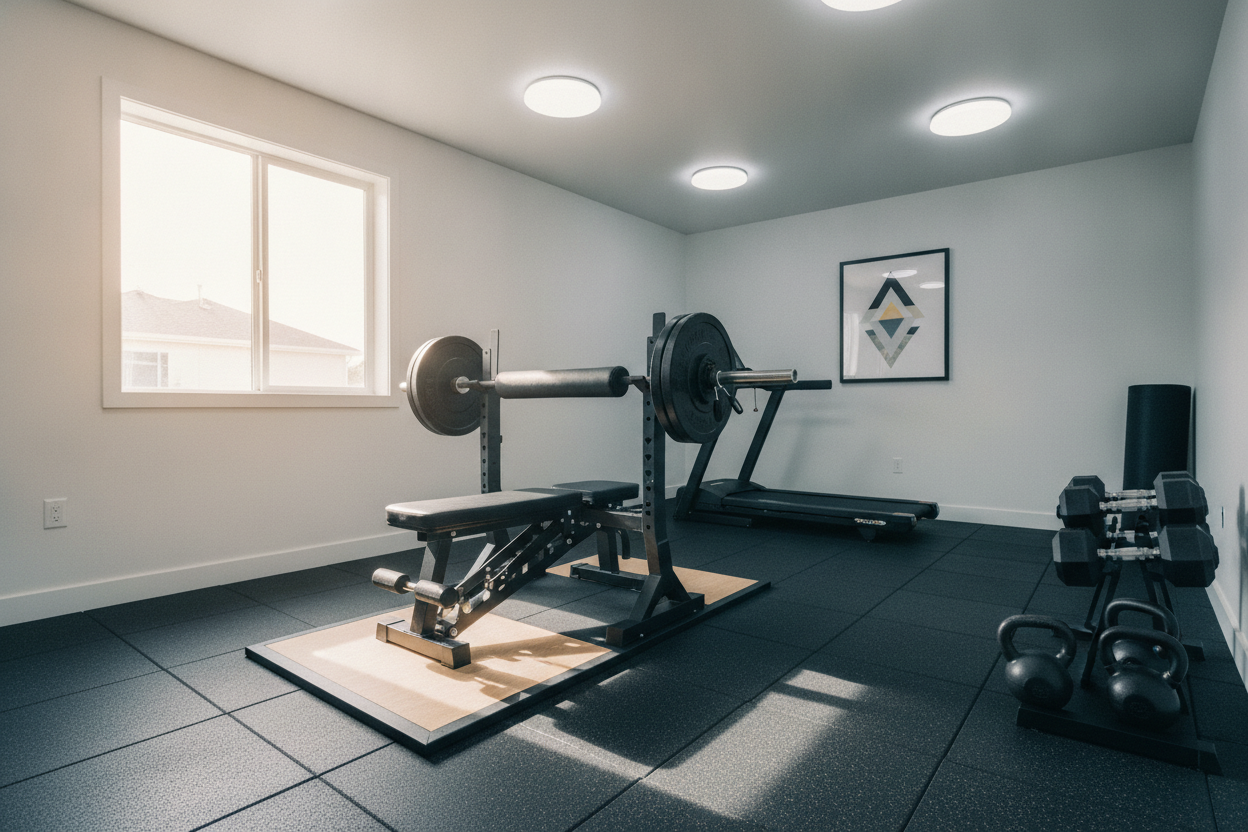
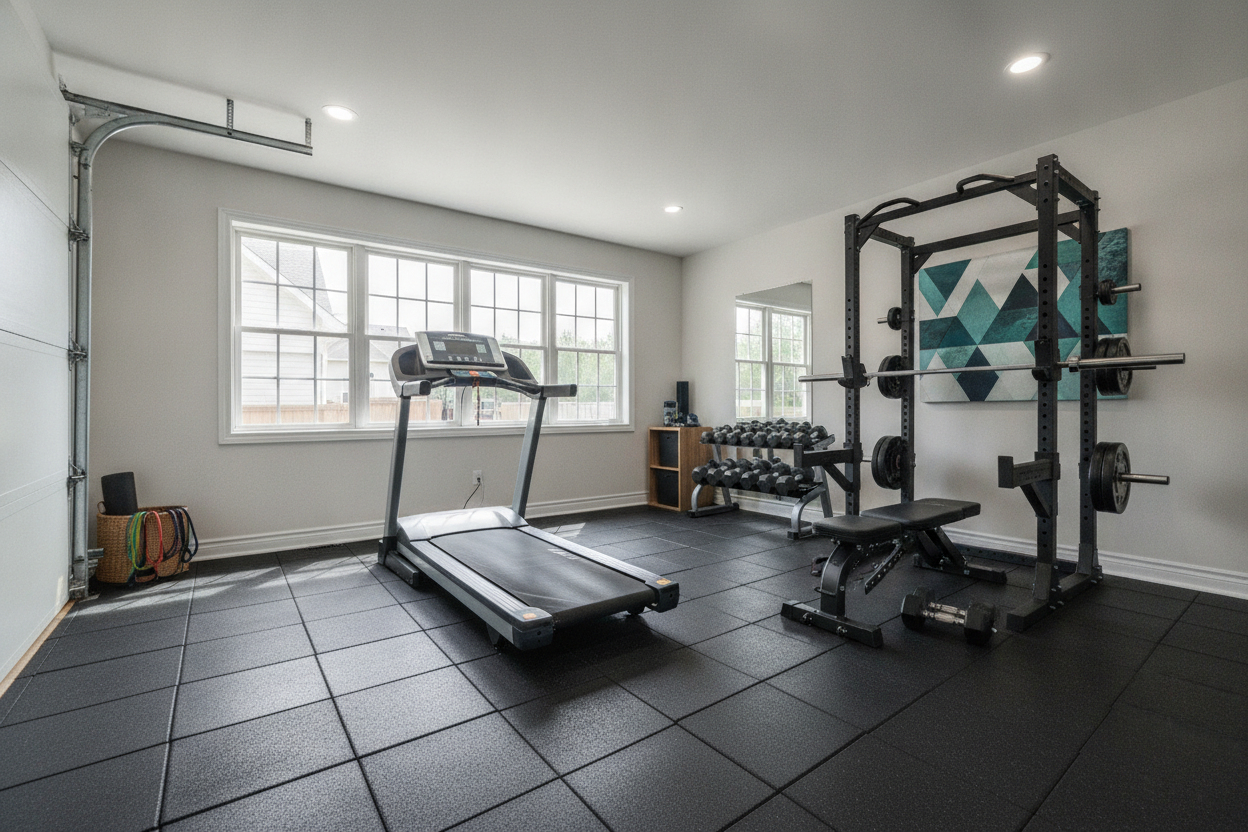
The problem is the garage gym footprint. Every square inch in a home gym is prime real estate. You have to decide if a machine that only moves at 4 mph is worth displacing a second rack or a dedicated belt squat. For me, the answer came down to consistency. If it is raining, snowing, or 100 degrees outside, I am not going for a walk. Having a dedicated setup inside eliminates every excuse I have for staying sedentary on my off days.
Treadmills vs. Walking Pads: What Belongs in Your Garage?
When you start shopping for gym equipment walking solutions, you will hit a fork in the road: the classic treadmill or the modern walking pad. A commercial-grade treadmill is a tank. It is built to handle a 300-lb person sprinting at 12 mph. But if you are a lifter who just needs to get 10,000 steps in, that 400-lb piece of steel might be the biggest mistake you ever make for your floor plan.
Walking pads, on the other hand, are the minimalist's dream. Most are under 60 lbs and can slide under a bed or stand up against a wall. They are designed specifically for lower speeds, usually topping out at 4 or 5 mph. They do not have the massive upright consoles that block your view of the TV or your rack. They are tools, not furniture.
Why Big Box Treadmills Are Usually Overkill
I see guys spending $2,500 on a NordicTrack with a 22-inch touchscreen just to walk at a 3.0 pace while they watch YouTube. That is a waste of money. You are paying for a high-horsepower motor designed for high-speed friction and a deck designed for high-impact running. If you are not running, you are overpaying for maintenance and electricity.
If you absolutely feel the need for a heavy-duty machine because you are a larger athlete, do not pay retail. I always tell people to check for home gym equipment deals before dropping two grand. You can often find refurbished commercial units for half the price. But for 90% of home gym owners, a massive treadmill is just a very expensive place to hang your lifting belt and knee sleeves.
The Truth About Cheap Under-Desk Pads
On the flip side, do not buy the $150 'lightning deal' pad from a brand you have never heard of. Most of these have 1.5 HP motors. If you weigh over 200 lbs, that motor is going to struggle just to keep the belt moving under your weight. I have seen budget exercise equipment walking pads literally smoke and die within three months because the user was too heavy for the weak motor.
Look for a motor with at least 2.25 or 2.5 HP. It will run cooler, last longer, and won't sound like a jet engine taking off in your garage. Also, check the belt width. Anything under 16 inches will make you feel like you are walking on a tightrope. It is hard to stay focused on a podcast when you are worried about stepping off the side of the machine.
Protecting Your Floor From Cardio Machines
One thing nobody tells you is that walking machines are vibration magnets. Even if you are not running, the constant hum of the motor and the rhythmic thud of your feet can wreak havoc on your garage floor. If you have an epoxy coat, a vibrating motor can actually cause it to delaminate over time. If you are on bare concrete, the dust buildup under the belt will eventually work its way into the motor and kill it.
You need a barrier. I use a dense gym flooring for home workout mat under every piece of cardio gear I own. It mutes the noise—which your family will appreciate if your gym is under a bedroom—and it catches the inevitable belt lubricant that drips from the underside. A good mat also levels out any slight imperfections in your garage floor, which prevents the frame of your walking pad from twisting and squeaking.
How to Actually Program Your Walking Setup
Do not just wander aimlessly on the belt. If you want this to actually help your lifting, you need a plan. I am a huge fan of the 'Weighted Walk.' Put on a 20-lb or 40-lb weighted vest and set the machine to a 2% incline. This builds massive work capacity without the joint impact of running. It gets your heart rate into Zone 2, which is the sweet spot for cardiovascular health and recovery.
I usually aim for 30 minutes on my non-lifting days. If I am feeling particularly beat up from a heavy deadlift session, I will drop the vest and just do a flat walk at 2.5 mph. The goal is to finish the session feeling better than when you started. If you finish your walking session feeling exhausted, you are doing it wrong. This is supposed to be 'active recovery,' not another 'workout' to recover from.
The Final Verdict: Do You Really Need It?
If you live in a climate where you can walk outside 365 days a year, you probably do not need dedicated indoor equipment. Just go outside. But for the rest of us who deal with snow, humidity, or dark winters, having a machine in the house is a game-changer for consistency. It turns a 'rest day' into a 'recovery day.'
If you have the space, get a high-quality walking pad with a 2.5 HP motor. It fits the garage gym lifestyle better than a giant treadmill ever will. For a deeper dive into which specific models survived my testing, check out this guide to gym equipment for walking. Stop ignoring your cardio; your squats will thank you.
FAQ
Is a walking pad better than a treadmill?
For walking specifically, yes. It is cheaper, takes up 70% less space, and is easier to move. Only get a treadmill if you plan on running faster than 5 mph regularly.
Can I use a walking pad on carpet?
You can, but you should not. The fibers can get sucked into the motor and cause overheating. Always put a hard rubber mat down first.
How much weight can a walking pad hold?
Most budget pads max out at 220 lbs. Higher-end models can handle up to 300 lbs. If you are over 250 lbs, look for a 'heavy-duty' specific model to avoid burning out the motor.