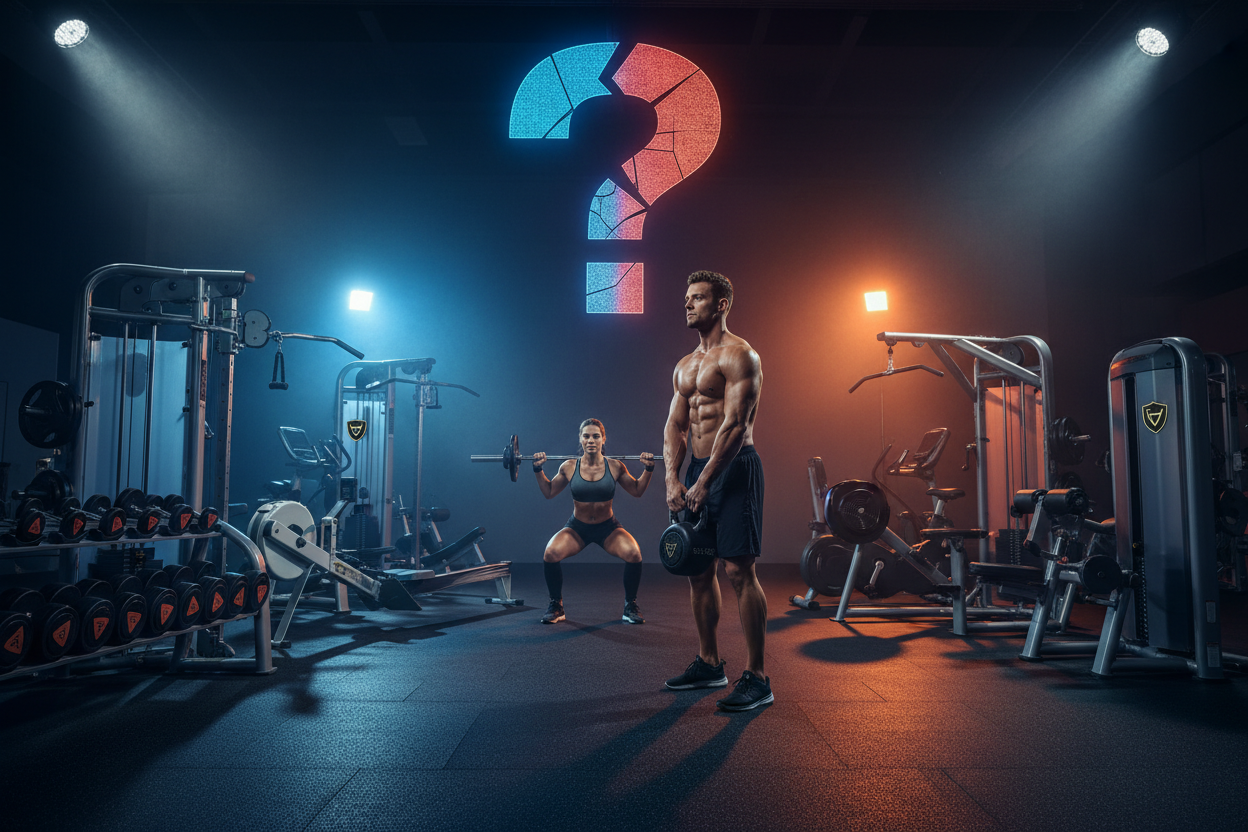
Is Certified Fitness Equipment Worth The Extra Cost? The Truth
You are scrolling through equipment options, wallet in hand, and you see two nearly identical power racks. One costs $400. The other costs $1,200 and boasts about being "ASTM Certified." Is the price gap just marketing fluff, or is there a legitimate safety reason behind it?
When you are loading hundreds of pounds onto a bar, gravity doesn't care about your budget. That is where certified fitness equipment comes into play. It is the difference between a piece of steel that looks strong and one that has been scientifically proven to handle the load without buckling under pressure.
Let’s break down the engineering, the liability, and the reality of certified gear.
Key Takeaways
- Safety Standards: Certified gear meets specific ASTM (US) or ISO (International) safety protocols for structural integrity.
- Liability Shield: For gym owners, using uncertified equipment is a massive legal risk if a patron gets injured.
- Testing Rigor: Certification involves destructive testing, meaning the gear is pushed until it breaks to ensure the rated limits are accurate.
- Insurance Requirements: Many commercial liability insurance policies will deny claims if the accident occurred on non-certified equipment.
The Science Behind Gym Equipment Certification
Many people assume "heavy duty" is a technical term. It isn't. Anyone can weld scrap metal together and call it heavy duty. Gym equipment certification is the only objective metric we have to verify quality.
When a piece of equipment is certified (often by third parties like TUV or UL), it undergoes stress testing. Engineers simulate years of wear and tear in a matter of days. They drop weights on safety spotters from specific heights to measure deformation.
If a bench is rated for 1,000 lbs, certification ensures it doesn't just hold 1,000 lbs once; it ensures the metal doesn't experience "plastic deformation" (permanent bending) under repeated loads. This protects you from the sudden, catastrophic failure that happens with cheap, unverified steel.
Commercial vs. Home Standards (Class S vs. Class H)
Not all certifications are created equal. Understanding the classification helps you avoid overspending or under-protecting.
Class H (Home Use)
This gear is designed for low-volume use. The safety tolerances are lower because the assumption is that only one or two people will use it daily. While certified home gear is safer than generic options, it is not built for the abuse of a 24-hour facility.
Class S (Studio/Commercial)
This is the gold standard. To achieve this gym equipment certification, the equipment must withstand constant use. The bearings, cables, and pulleys are tested for hundreds of thousands of cycles. If you are opening a public gym, this isn't optional—it is a requirement for your business survival.
The Liability Trap: Why Gym Owners Must Pay Attention
If you run a training facility, your equipment is your biggest liability. Imagine a client is doing box jumps and the plyo box collapses.
If that box is homemade or uncertified, you are negligent. You used equipment that wasn't rated for the activity. However, if that box is certified and fails (which is rare), the liability often shifts toward the manufacturer. Certification is effectively an insurance policy for your reputation and bank account.
My Personal Experience with Certified Fitness Equipment
I learned this lesson the hard way back in my garage gym days. I bought a cheap, uncertified "1,000 lb capacity" bench from an online marketplace to save a few hundred bucks. On paper, it looked fine.
The first time I laid back with just 225 lbs, I felt it. It wasn't a snap, but a subtle shift. The back pad wobbled laterally because the bolt tolerance was too loose. It completely killed my drive out of the bottom of the press because I was subconsciously stabilizing the bench rather than pushing the weight.
A year later, I upgraded to a fully certified commercial bench. The difference was immediate. It felt "dead" underneath me—in the best way possible. No vibration, no creaking, and the foam density was hard enough that my shoulders didn't sink in and lose position. The uncertified bench had soft, cheap foam that compressed until I could feel the plywood backing digging into my scapula. You don't realize how much bad gear holds back your PRs until you use something built to code.
Conclusion
You can cut corners on chalk, t-shirts, and mats. But never cut corners on the metal that sits between you and a serious injury. Certified fitness equipment costs more because the manufacturing process includes failure testing, higher grade steel, and strict quality control.
Whether you are outfitting a commercial facility or a basement dungeon, look for the sticker. It represents the engineering that keeps you safe when you are at your most vulnerable under the bar.
Frequently Asked Questions
Is certified fitness equipment necessary for a home gym?
While not legally required for personal use, it is highly recommended for heavy lifting. Certified gear ensures that safety spotters and J-cups will not fail under maximum loads, providing essential safety when training alone.
What is the most common gym equipment certification?
In North America, ASTM (American Society for Testing and Materials) is the standard. Specifically, ASTM F1749 covers safety signs, while other F-series standards cover specific machines. In Europe, the EN 957 standard is the benchmark for safety.
Does certification affect the resale value of gym equipment?
Yes, significantly. Certified equipment from reputable brands holds its value much better than generic gear. Buyers know the structural integrity is verified, making it a safer investment on the used market.