
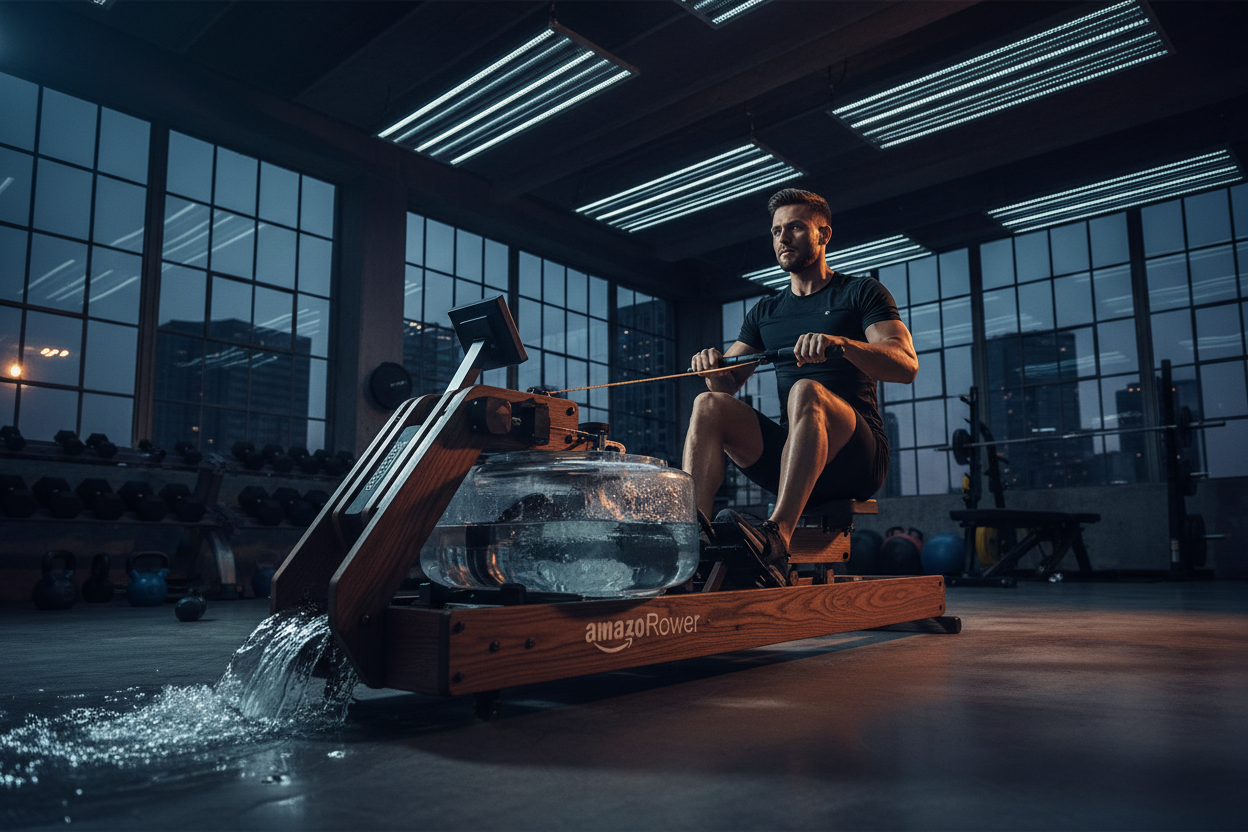
Is An Amazon Water Rowing Machine Worth The Risk? The Truth
There is a distinct rhythm to water rowing that magnetic resistance simply cannot replicate. It is the sound of the catch, the immediate feedback of the drag, and the visual calm of the water spinning in the tank. However, trying to find a high-quality amazon water rowing machine often feels like navigating a minefield of generic brands and questionable durability.
You aren't just looking for a piece of equipment; you are looking for that on-water feel in your living room without spending a fortune. But with hundreds of copycat models flooding the marketplace, distinguishing between a hidden gem and a future landfill item is difficult. This guide cuts through the marketing noise to help you make a decision you won't regret.
Key Takeaways: What to Look For
- Tank Material Matters: Ensure the tank is made of polycarbonate, not standard plastic, to prevent stress fractures and leaks.
- Rail Stability: Dual-rail systems generally offer better stability and longevity than single-rail setups, especially for taller users.
- Monitor Limitations: Expect basic metrics on budget Amazon models; accuracy often lags behind Concept2 or WaterRower standards.
- Included Accessories: Verify the inclusion of a siphon pump and purification tablets—essential for initial setup and maintenance.
Navigating the Brand Chaos
When you search for a water rowing machine amazon listing, you will likely see established giants like the original WaterRower alongside dozens of brands with names that look like a random assortment of Scrabble tiles. Here is the reality: many of these "alphabet soup" brands come from the same few factories.
The difference lies in quality control. A legitimate waterrower amazon purchase (referring to the actual brand) guarantees a certain level of wood finish and tank integrity. With the budget clones, you are often rolling the dice on the bearings in the seat rollers and the seal on the tank.
The Science of the Tank
The tank is the heart of the machine. On Amazon, you will see terms like "aviation-grade plastic." This is marketing fluff. You need to look for polycarbonate. Water exerts immense outward pressure when the paddle spins at high RPMs.
Cheaper plastics have a lower tensile strength. Over time, the constant expansion and contraction from water temperature changes and the force of the stroke can cause micro-cracks. Once a tank starts leaking along the seam, the machine is effectively ruined. If the product description doesn't explicitly state the material type, proceed with extreme caution.
Resistance and Ergonomics
Water resistance is dynamic. The harder you pull, the more resistance you generate. However, the internal paddle design dictates how smooth that resistance feels. Better machines use a multi-bladed paddle that eliminates the "dead spot" at the beginning of the catch.
Cheap knockoffs often have inefficient paddle designs that result in a jerky motion. You pull, feel nothing for a split second, and then the heavy load hits. This puts unnecessary strain on your lower back rather than engaging your lats and legs.
The Footplate Problem
One specific issue with budget rowers is the footplate placement. On a proper scull, your feet are close together. Many Amazon clones place the footplates too wide apart or too high relative to the seat. This forces your hips into an unnatural angle, limiting your compression at the front of the stroke and reducing power output.
My Training Log: Real Talk
I want to step away from the specs for a moment and tell you about my actual experience setting up and using a mid-range ($300-$500) water rower I bought off Amazon last year.
First, the unboxing. The wood looked nice in the photos, but in person, the finish was rough. I actually caught a splinter during assembly. But the real reality check was filling the tank. The siphon pump provided was a flimsy piece of plastic that kinked constantly. I ended up spilling water on my hardwood floor because the hose popped out of the tank inlet twice.
Once I started rowing, the sound was fantastic—that genuine "whoosh" is undeniable. However, about 20 minutes into a 5k session, I noticed something the specs don't tell you: the heel cups. They were made of a rigid, unforgiving plastic. I usually row in socks or minimalist shoes, and the plastic dug into my Achilles tendon on every return stroke. I had to wrap them in duct tape to make it bearable.
Also, maintenance is real. After three months, the water started getting cloudy because I forgot the chlorine tablet schedule. Finding the right size tablets that didn't dissolve too fast was a headache. It's a great workout, but don't expect the "set it and forget it" convenience of a magnetic rower.
Conclusion
Buying an Amazon water rowing machine is a viable option if you manage your expectations. You can get 90% of the workout for 40% of the price of a luxury model. Focus on the tank integrity and the rail structure above all else. If you treat it with care and stay on top of water maintenance, it can be the cornerstone of your home gym.
Frequently Asked Questions
How often do I need to change the water in an Amazon water rower?
You rarely need to fully change the water if you maintain it properly. Add a purification tablet (usually chlorine-based) every 2 to 6 months depending on sunlight exposure. If the water goes green with algae, you will need to flush the tank completely and refill it.
Are budget water rowers on Amazon noisy?
Water rowers are not silent, but the noise is ambient and rhythmic, not mechanical. It sounds like water splashing in a bathtub. It is generally quieter than an air rower (like a Concept2) but louder than a magnetic rower. Most users find the sound soothing rather than annoying.
Can I store a water rowing machine upright with water in it?
Yes, almost all water rowing machines are designed to be stored vertically. The tank is sealed to prevent leaks in this position. However, ensure you do not fill the tank past the recommended "max fill" line, or it may leak through the stopper when tilted upright.


