Is a Universal Gym Weight Machine Actually Worth the Space?
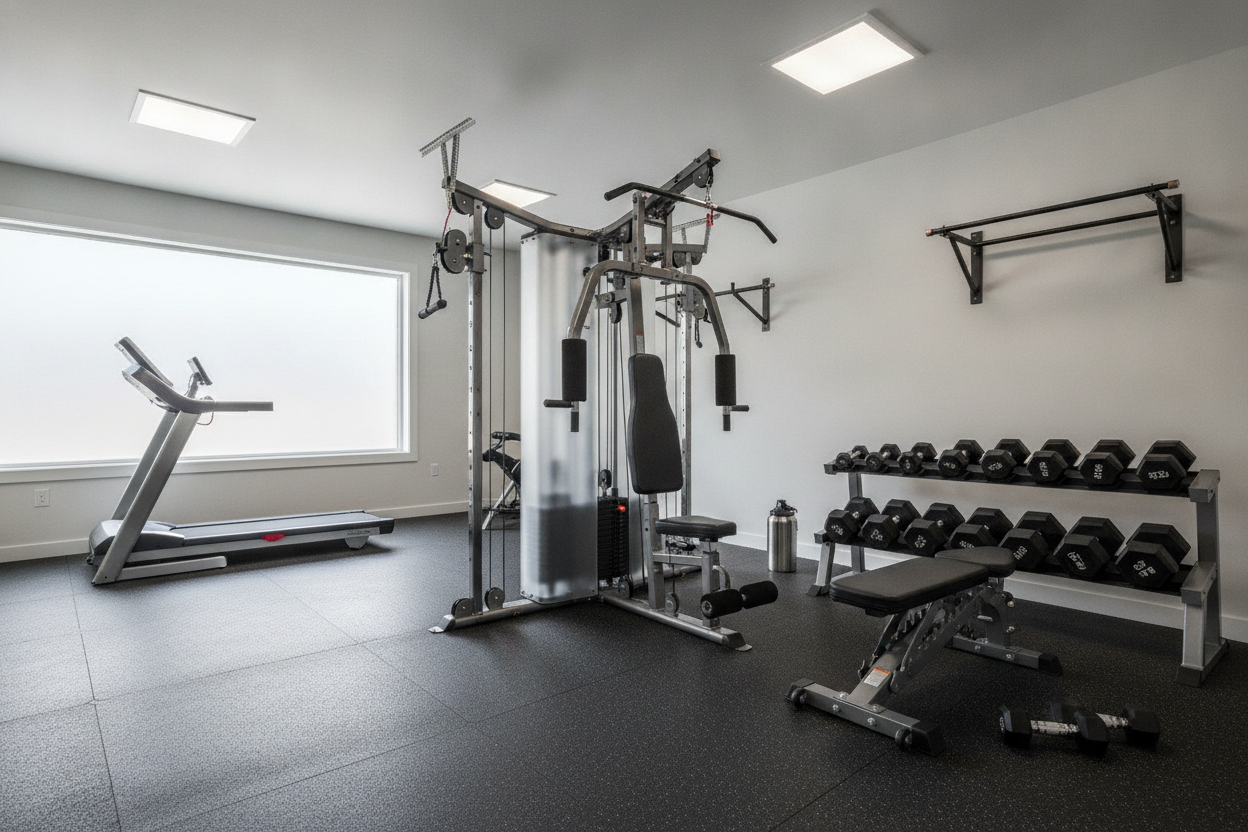
I remember scrolling through Craigslist at 2 AM, looking for that one 'perfect' piece to turn my garage into a temple of iron. I saw a massive, chrome-plated beast from the late 90s—a classic universal gym weight machine—and almost pulled the trigger because it looked like a complete solution. It had the leg press, the chest press, and a lat pulldown all bolted into one frame.
But after years of testing everything from $5,000 functional trainers to rusted-out power racks, I realized that 'all-in-one' usually means 'compromised at everything.' Before you sacrifice your parking spot for a 300-pound stack of pulleys, we need to talk about whether these universal weight machines actually help you get stronger or just give you a headache.
Quick Takeaways
- Universal weight training machines require a massive, permanent footprint that can't be easily moved or modularly upgraded.
- Fixed movement paths can be tough on joints if your body proportions don't perfectly match the machine's pivot points.
- One weight stack means only one person can train at a time, making partner workouts a logistical nightmare.
- A modern power rack and a bench offer 10x the versatility for roughly the same price and space.
The Nostalgia Trap of the All-In-One Setup
The legacy of the original universal gym equipment company is strong. For many of us, these were the first machines we ever touched in a high school weight room or a YMCA. There is a certain comfort in seeing a universal fitness machine; it feels safe, approachable, and permanent. You don't have to worry about a barbell crushing your windpipe, and there's no cleaning up a dozen scattered plates after a leg session.
However, the modern home gym universal setup often fails to live up to that commercial-grade nostalgia. A true universal machine gym is designed to be a tank, but the residential versions sold at big-box retailers are often flimsy. They use thin-gauge steel and nylon bushings instead of ball bearings. When you're looking at gym equipment universal in nature, you're often paying for the convenience of not having to learn technique, rather than the quality of the stimulus. A universal workout equipment piece tries to be a chest press, a leg extension, and a row station all at once, but the cable routing often makes the 150-pound stack feel like 80 pounds because of excessive friction.
The Biomechanics Problem Nobody Mentions
The biggest issue with universal weight equipment isn't the steel—it's the geometry. When you use a barbell, the bar moves where your body needs it to move. When you use a universal weight training machine, your body has to move where the machine tells it to. If you have long arms or a short torso, the chest press handles might start two inches too far back, putting your shoulders in a vulnerable, high-tension position before the rep even starts.
Sharing a single weight stack across five different stations also creates a 'dead zone' in the strength curve. Because the cables have to travel through so many pulleys to reach the leg developer or the pec dec, you lose that tactile 'connection' to the weight. I have tested universal weight sets where the initial pull feels heavy as lead, but the top of the movement has zero tension because of cable slack. That's not how you build muscle; that's how you get frustrated. Fixed paths force your joints into a groove that might not be yours, which is a recipe for tendonitis if you're training heavy four days a week.
Floor Space: Your Most Valuable Asset
In a garage gym, square footage is more valuable than the equipment itself. A standard multi-station universal exercise equipment unit usually demands an 8x10 foot area once you account for the range of motion of the leg press or the footprint of the bench. Once you bolt that thing down, that space is dead. You can't fold it away, and you can't easily move it to sweep out the dust and dead spiders.
I always tell people to stop buying weight training equipment for home like a commercial gym. Commercial gyms have 10,000 square feet; you have a two-car garage if you're lucky. Modular pieces—like a folding rack or a high-quality functional trainer—allow your gym to grow with you. If you buy a massive universal home gyms exercise equipment unit and decide you hate the leg press, you're stuck with it. If you buy a rack and a separate leg press, you can swap things out as your goals change. Don't let a single piece of equipment dictate how you use your entire room.
Who Actually Benefits from a Universal Machine Gym?
I'm not saying these machines are useless for everyone. There are specific scenarios where a home gym universal setup is the right call. If you are in a rehabilitation phase and need the stability of a fixed path to avoid re-injuring a joint, a machine is a godsend. It's also a great option for seniors who want to maintain bone density without the technical demand of a back squat or a deadlift.
If you have a massive budget and enough space for a dedicated 'circuit' area, high-end universal weight equipment can be fun for accessory work. But for the average guy trying to get strong and look better in a t-shirt, the limitations usually outweigh the benefits. If you're going this route, look for a unit with a 200-lb stack minimum and actual steel bearings in the pulleys. If it feels 'crunchy' when you pull the handle at the store, it will feel like garbage after three months in your garage.
The Verdict: Rack vs. Multi-Station
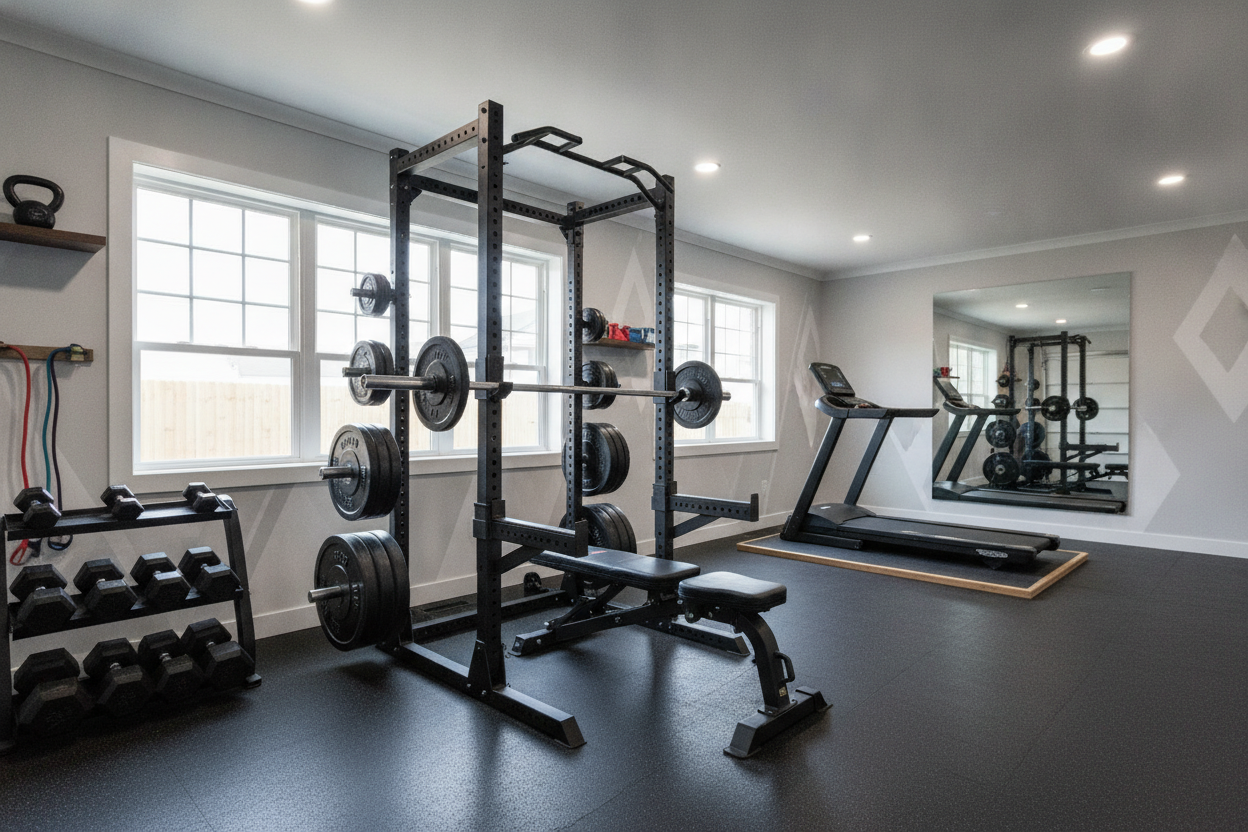
At the end of the day, a universal gym weight machine is a specialized tool masquerading as a general one. I’ve found that a solid power rack paired with a quality bench and a simple plate-loaded pulley system takes up less space and offers infinitely more variety. You can squat, bench, and pull, but you can also add landmines, dip bars, and jammer arms later on.
My philosophy on why my home weight training equipment beats any commercial gym is simple: it is built for me, not the 'average' user. A universal machine is built for everyone, which means it fits no one perfectly. Skip the massive multi-station and invest in a setup that lets you move naturally. Your joints and your floor space will thank you.
Personal Experience: The Marcy Mistake
Years ago, I bought a used Marcy multi-stack for $300. I thought I'd hit the jackpot. Within two weeks, I realized the leg extension hit my shins at a weird angle, and the chest press made a loud 'clack' every time the weights touched because the guide rods were slightly bowed. I couldn't even do a proper lat pulldown because the seat was too high for my height. I ended up selling it for $150 just to get someone to haul it away. It was a lesson learned: versatility on paper doesn't always translate to a good workout.
FAQ
Are universal gym machines good for building muscle?
Yes, you can build muscle on anything that provides resistance. However, the fixed paths can make it harder to hit certain muscle fibers compared to free weights or adjustable cable machines.
How much space do I need for a universal weight machine?
Most units require at least a 7x9 foot area, but you should realistically plan for 10x12 feet to ensure you have room to move around the machine and access all the stations.
Is a universal gym better than free weights?
For most people, no. Free weights require more stabilization and engage more muscle groups. Machines are better for isolation or for those with limited mobility.