I Ate 4,000 Calories on My First Bulking Plan (And Just Got Fat)
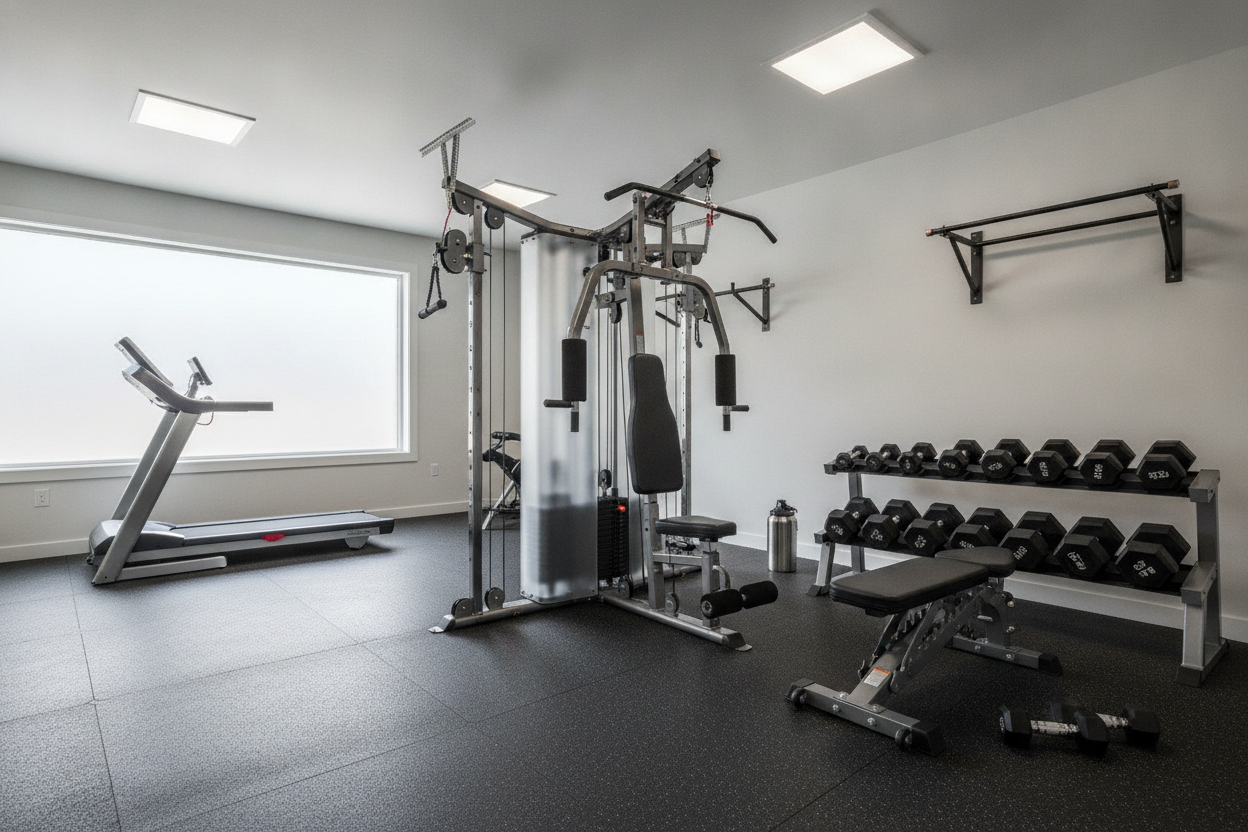
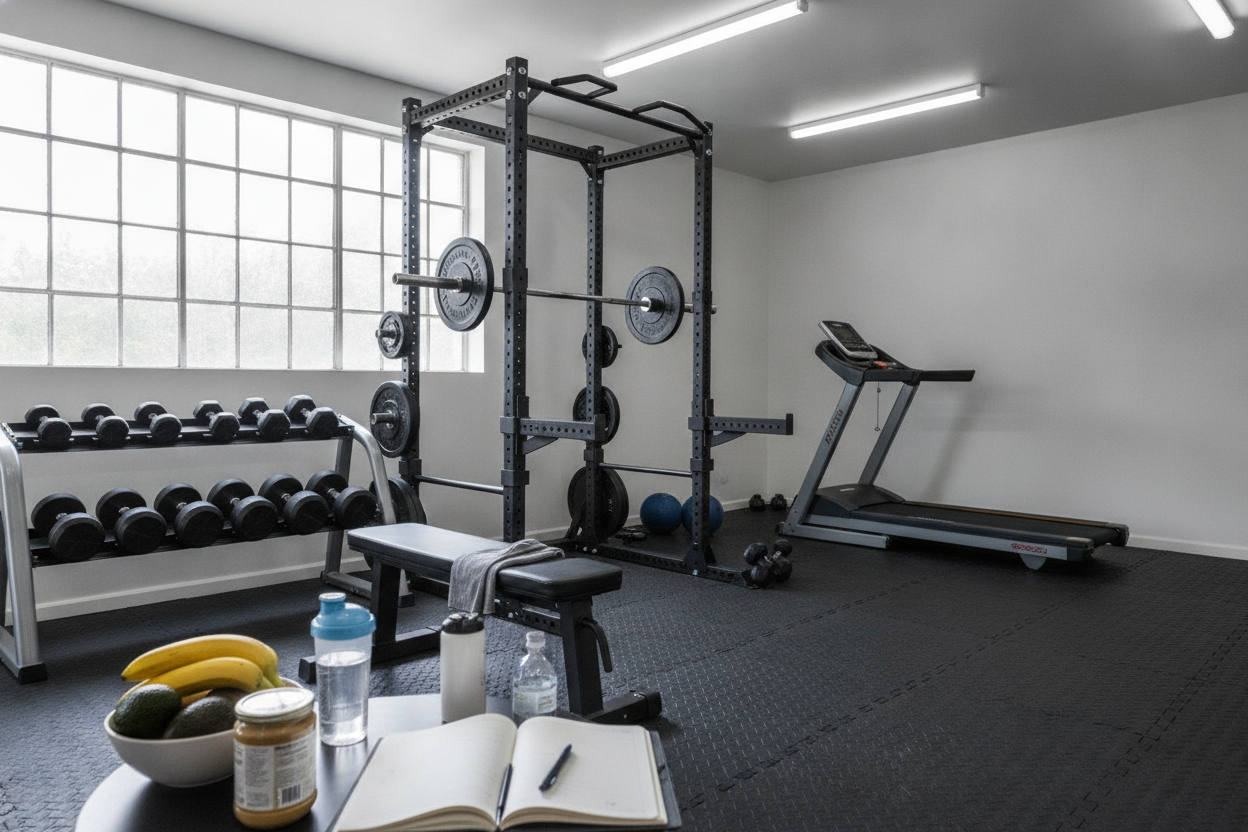
I remember sitting on my weight bench at 11:30 PM, staring at a half-empty jar of peanut butter and a literal gallon of whole milk. I was twenty years old, weighed 160 pounds soaking wet, and was absolutely convinced that my bulking plan required me to eat until I felt physically ill. I thought the discomfort was just the 'price of gains.'
Six months later, I wasn't a powerhouse. I was just a guy with a 40-inch waist, a double chin, and a bench press that had only moved up about fifteen pounds. I had successfully transformed myself from a lean, athletic kid into a soft, sluggish version of myself who got winded walking up the stairs to my home gym.
Quick Takeaways
- A massive calorie surplus does not equal massive muscle growth for natural lifters.
- Aim for a modest 250–300 calorie surplus to minimize fat gain.
- Your training intensity must justify the extra fuel you are eating.
- Track weekly weight averages, not daily fluctuations.
The Peanut Butter and Whole Milk Disaster
My first attempt at a bulk plan was based on 'See-Food' logic. If I saw it, I ate it. I was crushing 4,000 calories a day because some forum post told me that was the only way to break through a plateau. I was force-feeding myself protein shakes with olive oil mixed in—which, by the way, is a culinary sin I still haven't forgiven myself for.
The problem is that I was treating my body like a construction site where more bricks automatically meant a bigger house. In reality, your body has a 'crew' of enzymes and hormones that can only work so fast. By dumping 4,000 calories into a system that only needed 2,800, I wasn't giving the construction crew more materials; I was just cluttering the job site with trash. I gained 25 pounds in three months, and I'd bet my best power bar that 20 of those pounds were pure lard.
The Biological Math of a Real Bulking Plan
Here is the cold, hard truth: Muscle protein synthesis has a speed limit. Unless you are a genetic freak or using vitamin S, your body can only build a few pounds of lean tissue per month. When you eat in a 1,000-calorie surplus, you aren't speeding up that process. You are just providing a massive excess of energy that your body is biologically programmed to store as adipose tissue (fat).
A successful mass phase requires a surgical approach, not a sledgehammer. Most lifters only need a surplus of about 200 to 300 calories above maintenance to maximize muscle growth. That is the equivalent of one extra Greek yogurt and a handful of almonds—not a whole pizza. If you're gaining more than 0.5 to 1 pound per week after the initial water weight spike, you're likely just getting fat. Don't let your ego tell you it's 'all muscle' because your sleeves feel tighter; fat takes up space, too.
Why Your Lifts Need to Match Your Fork
You cannot eat your way to a bigger chest if you are training like a coward. The extra calories are meant to provide the energy required to recover from brutal, high-intensity sessions. If you are just going through the motions with light isolation work and three-minute rest periods while scrolling Instagram, those extra carbs have nowhere to go but your gut.
I see guys all the time trying to follow a pro bulking program bodybuilding plan they found in a magazine. Those plans are usually high-volume 'pump' routines designed for guys with chemical assistance who can recover from anything. For the average garage gym owner, that approach often leads to overtraining and zero growth. You need to provide a reason for your body to keep that weight as muscle. That means heavy compound movements, high mechanical tension, and pushing your sets close to failure. If the logbook isn't showing progress, the kitchen shouldn't be showing extra calories.
The 3 Rules of a Bulk Plan That Won't Ruin Your Wardrobe
If you want to actually look like you lift when the shirt comes off, you need a disciplined bulk plan. It sounds boring, but consistency beats intensity every time. Here are my three non-negotiables for a mass phase:
- Prioritize Protein: Hit at least 0.8g to 1g of protein per pound of body weight. This is the only macro that actually builds the tissue. The rest is just fuel.
- Track Averages: Your weight will jump 3 pounds if you eat a salty meal. Don't panic. Weigh yourself daily, but only care about the weekly average. If the average is creeping up too fast, pull back on the carbs.
- Heavy Overload: You should be following a bare-bones bulking exercise plan that focuses on adding weight to the bar. If your squats and presses aren't getting stronger, you aren't bulking; you're just eating.
I wasted years thinking that 'bulking' was an excuse to eat like a garbage disposal. It wasn't until I started treating my nutrition with the same precision as my lifting percentages that I actually saw my physique change. Stop looking for the 'magic' 5,000-calorie shake and start looking at your training log.
Knowing When to Pull the Plug
The biggest mistake home gym owners make is bulking forever. They get addicted to the scale moving up and the 'big' feeling of being bloated. You need a hard stop. For most men, that is around 18-20% body fat. Once your abs are completely gone and you're starting to look like a powerlifter in a 'before' photo, the bulk is over.
Setting a timeframe—say, 12 to 16 weeks—is also helpful. This prevents the 'perma-bulk' where you just end up with metabolic issues and a wardrobe that doesn't fit. Build the muscle, keep the fat gain under control, and then transition into a maintenance phase to let your body settle into its new weight.
FAQ
Do I need mass gainer supplements?
No. Most mass gainers are just cheap maltodextrin (sugar) and low-quality protein. You are better off eating oats, rice, and steak. If you really need a liquid meal, blend some whey, oats, and peanut butter yourself.
How do I know my maintenance calories?
Track everything you eat for two weeks and weigh yourself daily. If your weight stays the same, that's your maintenance. Add 250 calories to that number to start your bulk.
Can I bulk and stay shredded?
Not really. You can minimize fat gain, but a true lean mass phase will involve some softening of your physique. If you're terrified of losing your six-pack, you'll likely never eat enough to actually grow.