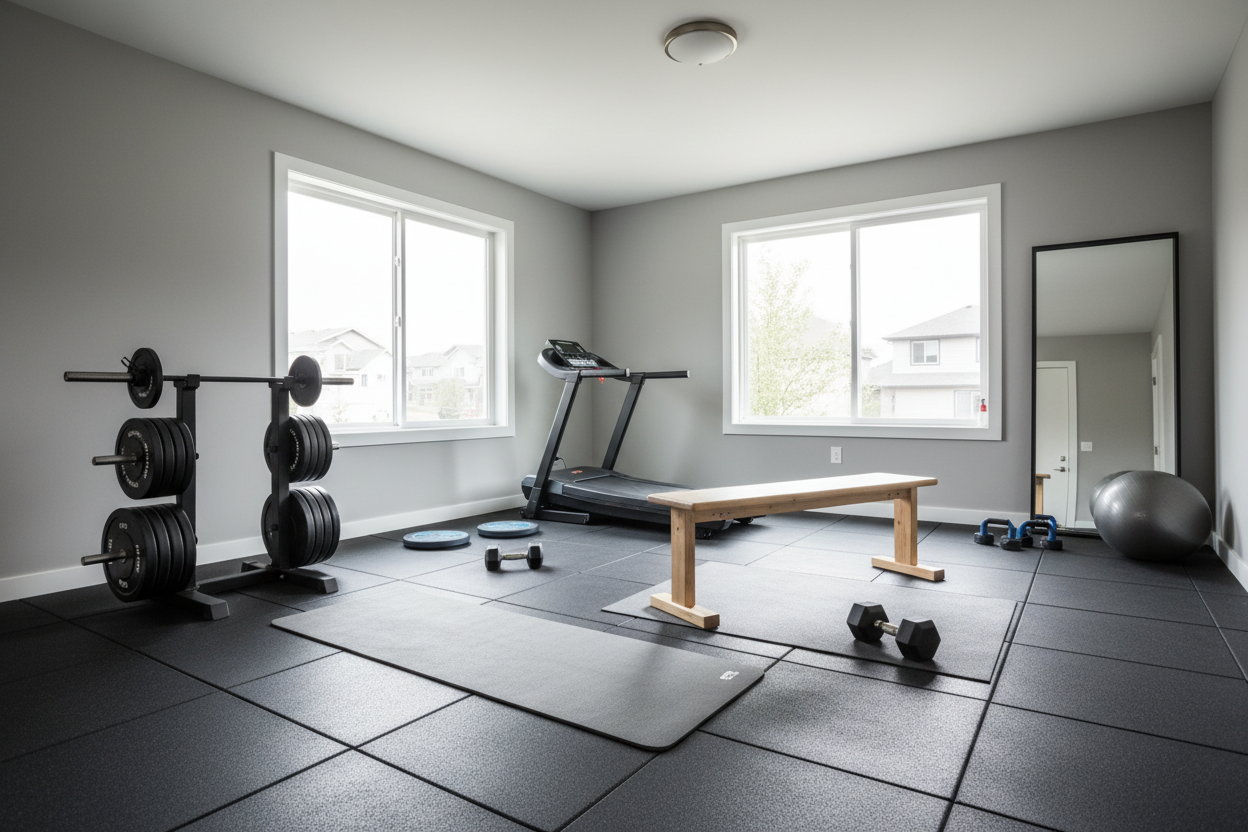
Is a Specialized Fitness Gear Mat Really Necessary? The Truth
You spent hundreds, maybe thousands, on dumbbells, a treadmill, or a Peloton. You have the right shoes and the perfect playlist. Yet, the most critical piece of safety equipment is likely the one you are standing on. Many home gym owners treat the fitness gear mat as an afterthought, grabbing the cheapest foam roll they can find at the checkout counter.
This is a mistake. A proper mat isn't just about keeping your landlord happy or protecting hardwood from scratches; it is about biomechanics, stability, and equipment longevity. If you are lifting heavy or running hard, the ground beneath you dictates your stability.
Key Takeaways: What Matters in a Mat
- Density over Thickness: For heavy equipment, high-density PVC outperforms thick, soft foam which can cause instability.
- Surface Texture: Look for a textured, non-slip surface to prevent the mat from sliding under you during lateral movements.
- Material Composition: Closed-cell technology prevents sweat absorption, reducing bacterial growth and odors.
- Compression Resistance: Quality mats resist permanent indentations from heavy machinery like treadmills or racks.
Why Standard Yoga Mats Fail Under Gear
There is a fundamental difference between a yoga mat and a mat designed for fitness gear. Yoga mats are designed for comfort and tactile grip for bare feet. They are often made of TPE or NBR foam, which is soft and compliant.
When you place a 200-pound treadmill or a squat rack on a soft yoga mat, the material compresses entirely. This eliminates any shock absorption properties. Worse, it creates an unstable surface. If you are squatting, you want a floor that pushes back, not one that sinks. A dedicated fitness gear mat utilizes high-density vinyl or rubber composite that withstands compression while protecting the sub-floor.
The Science of Shock Absorption
Vibration is the silent killer of electronic fitness equipment. When you run on a treadmill, the impact sends shockwaves through the machine's frame. Without a mat, those vibrations reverberate back into the motor and electronics board.
A dense mat acts as a dampener. It absorbs that kinetic energy, extending the life of your machine's soldering and bearings. It also significantly reduces the acoustic noise transfer, which is vital if you live in an apartment or have family members sleeping downstairs.
Material Selection: PVC vs. Rubber
Not all mats are created equal. Understanding the material helps you match the mat to your training style.
PVC (Polyvinyl Chloride)
This is the industry standard for under-equipment mats. It is incredibly durable, water-resistant, and easy to wipe down. It doesn't flake. However, it can be slippery when soaking wet if it lacks a textured finish.
Recycled Rubber
Often found in "horse stall mats" or heavy-duty gym flooring, this is the gold standard for heavy weightlifting (deadlifts/Olympic lifting). It offers superior impact protection. The downside? The smell. Rubber off-gassing can make a small home gym smell like a tire shop for months.
My Personal Experience with fitness gear mat
I learned the importance of this the hard way. Years ago, I set up a stationary bike in my spare bedroom, which had medium-pile carpet. I thought a cheap, puzzle-piece foam mat would be sufficient to catch my sweat and stabilize the bike.
It was a disaster. During a high-resistance climb out of the saddle, the puzzle seams started to separate under the bike's feet. The mat didn't just fail; it created a trip hazard. But the specific detail I remember most was the smell. Those cheap foam squares absorbed months of sweat because they were open-cell foam. No matter how much disinfectant I sprayed, the room had a permanent, musty locker-room funk.
Switching to a solid, high-density fitness gear mat changed everything. The bike stopped wobbling because the mat was rigid enough to bridge the gaps in the carpet pile, and the closed-cell surface meant I could actually clean it. The stability difference was immediate—I could pedal harder without feeling like the bike was going to tip.
Conclusion
Don't let a twenty-dollar accessory compromise a two-thousand-dollar machine or your joints. Whether you are protecting a hardwood floor from a kettlebell drop or trying to silence a treadmill, the investment in a quality mat is minimal compared to the cost of floor repairs or equipment maintenance. Build your gym from the ground up, literally.
Frequently Asked Questions
Can I put a fitness gear mat on top of carpet?
Yes, but choose a thicker, high-density PVC mat. Thin mats will conform to the carpet pile, causing equipment to wobble. A stiffer mat creates a "floating floor" effect that provides a stable platform even on plush carpet.
Will a heavy treadmill leave permanent dents in the mat?
Eventually, yes. However, a high-quality mat is designed to take that damage so your floor doesn't. While the mat may compress over time, it prevents the machine's feet from grinding into your hardwood or cracking tile.
How do I clean a rubber or PVC fitness mat?
Avoid harsh solvents or bleach, which can break down the materials and cause them to become brittle. A simple mixture of warm water and a few drops of mild dish soap is usually best. For rubber mats, ensure you let them air dry completely to prevent mold buildup underneath.