Is a chest and biceps routine Actually Better Than a Push Day?
I remember staring at my 50-lb dumbbells after a brutal heavy bench session, trying to force out some tricep extensions. My arms felt like wet noodles, and my lockout was non-existent. I was following the standard 'Push Day' protocol because that is what every forum told me to do, but my arms were stubborn and refused to grow. If you are tired of your triceps being the bottleneck for your upper body progress, it is time to pivot to a dedicated chest and biceps routine.
Quick Takeaways
- Maximized Energy: Biceps are fresh because they are not used during heavy chest presses.
- Better Mind-Muscle Connection: You can focus on the squeeze without your triceps screaming in pain.
- Bigger Arms: Training biceps twice a week (once with chest, once with back) increases weekly volume.
- Equipment Minimalist: This routine only requires a bench and some free weights.
Why Your Traditional Push Day is Failing Your Arms
The standard 'Push, Pull, Legs' split is great for efficiency, but it is a trap for arm growth. Think about it: when you bench press or hit the incline, your triceps are doing a massive amount of the work. By the time you get to your 'arm work' at the end of the session, your triceps are already 70% cooked. You end up moving lighter weights with garbage form just to finish the workout.
By pairing chest with biceps—an antagonist-adjacent muscle group—you solve this problem. Your biceps have been sitting idle while you were crushing the bench. They are rested, hydrated, and ready to move some serious iron. This allows you to hit your curls with 100% intensity rather than treating them like an afterthought. I noticed a massive jump in my bicep thickness once I stopped trying to train them after a heavy upper body and back workout where my grip was already shot.
Is chest and biceps a good combo?
A lot of people ask: 'can you do chest and biceps on the same day?' The answer is a resounding yes, and the biomechanics back it up. Chest exercises are primarily 'push' movements, while biceps are 'pull' muscles. They do not overlap in function. When you are doing a heavy dumbbell flye or a cable crossover, your biceps are acting as stabilizers at most, not primary movers.
Contrast this with a traditional back day. If you have ever tried to hit heavy curls after a grueling session of weighted pull-ups or heavy rows, you know that your biceps are already fatigued. By moving your bicep work to chest day, you ensure they are hit when they are at their strongest. This is the secret to breaking a hypertrophy plateau. You are essentially getting a dedicated arm day without having to spend six days a week in the gym. If you have ever felt like your curls were limited by your grip strength after a heavy upper body and back workout, you will appreciate how much more you can curl when your lats and forearms are fresh.
The Blueprint: My Garage Gym Chest and Bicep Workout
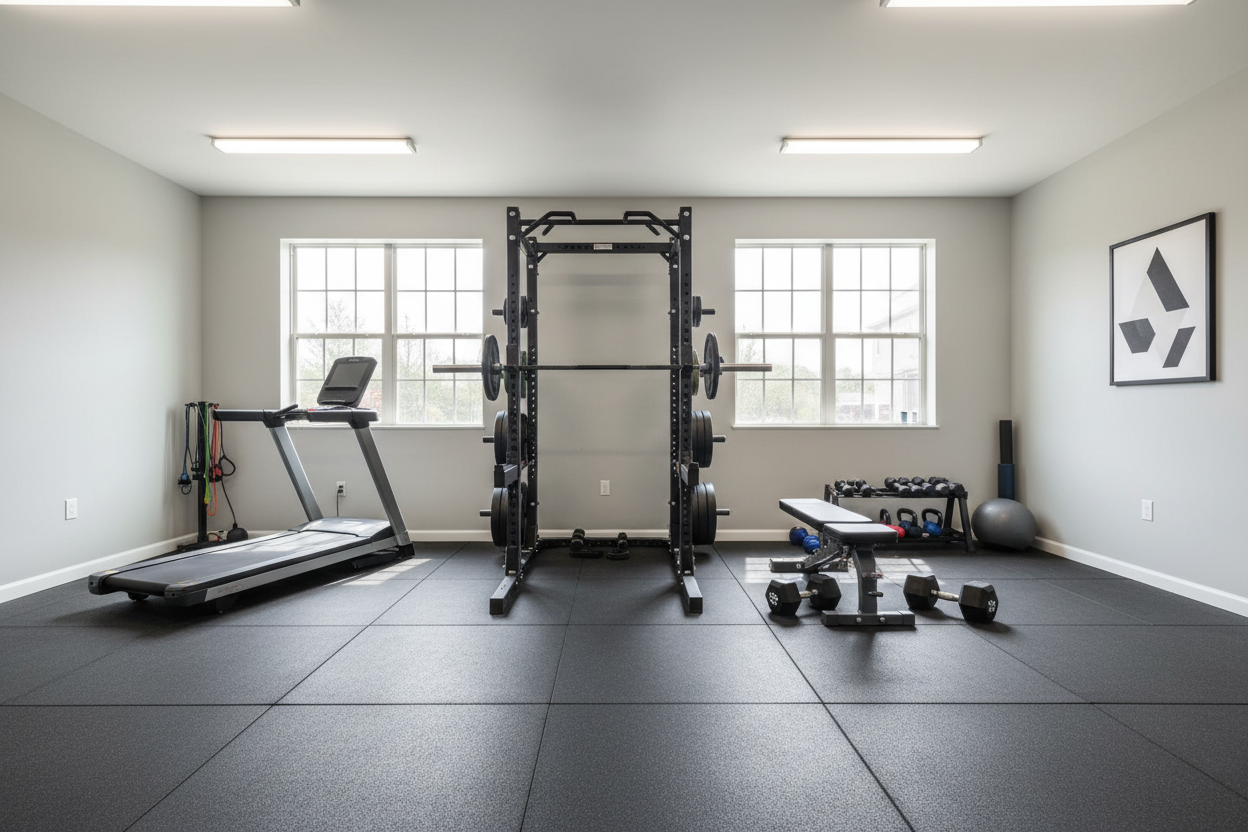
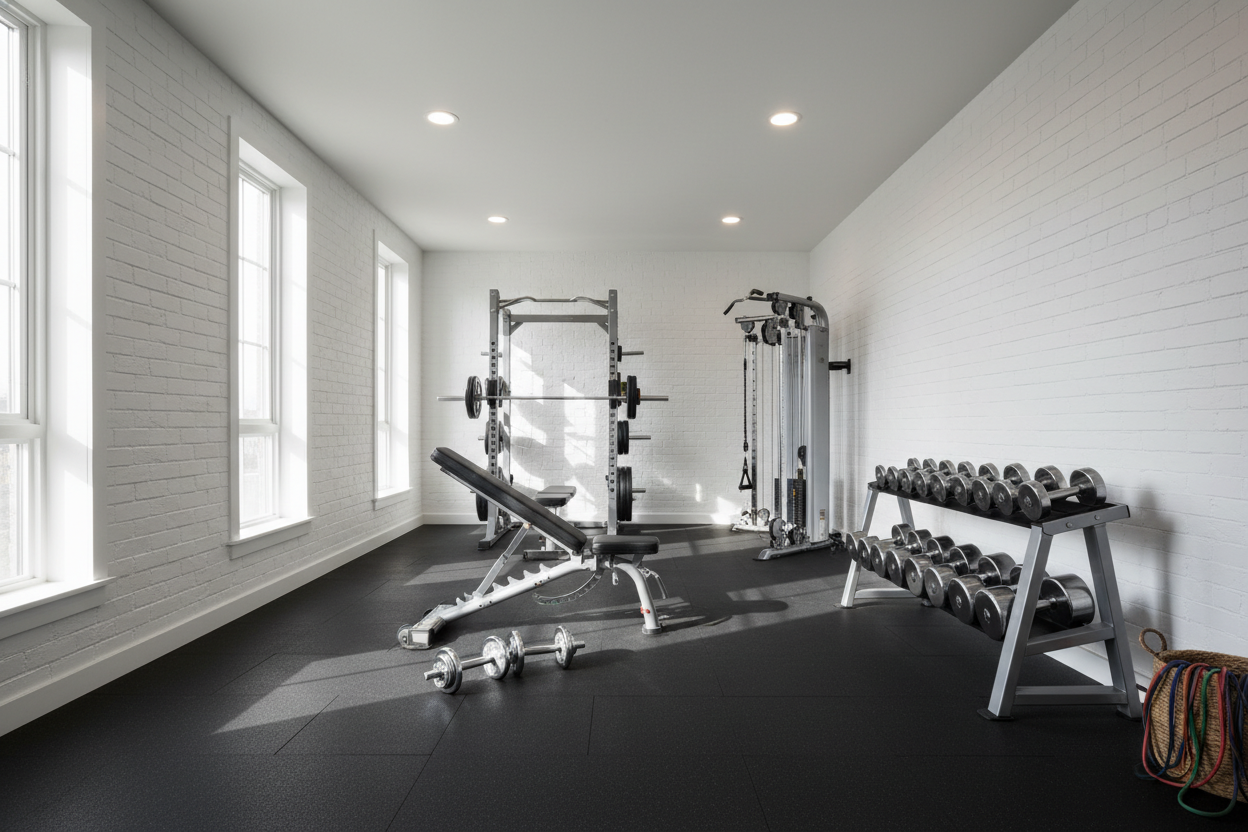
You do not need a commercial gym with thirty different cable machines to make this work. I built my chest and bis in a 200-square-foot garage with nothing more than a solid rack and some adjustable dumbbells. The goal here is high tension and controlled eccentrics. We start heavy, then move into the pump.
Phase 1: Heavy Pressing for Pecs
The foundation of any good chest day is the heavy compound press. I prefer starting with a slight incline (around 15 to 30 degrees) to target the upper chest, which is where most guys lack density. I aim for 3 sets of 6-8 reps. If you can do 10 reps easily, the weight is too light. All you really need to get this done is a high-quality weight set and bench that does not wobble when you start pushing 80-lb dumbbells.
After the incline, I move to flat dumbbell presses. Dumbbells offer a better range of motion than a barbell, allowing you to get a deep stretch at the bottom. This stretch is where the micro-tears happen that lead to growth. Keep your elbows tucked at a 45-degree angle; do not flare them out unless you want a one-way ticket to shoulder surgery.
Phase 2: Bicep Isolation Without the Fatigue
Now that the chest is pumped, we move to the biceps. Since they are fresh, we start with the 'Big Daddy' of arm builders: the Standing Barbell Curl. Use a straight bar if your wrists can handle it, or an EZ-curl bar if you have issues with supination. I do 4 sets of 8-12 reps. No swinging. If your torso is moving more than an inch, you are ego-lifting.
Next, we hit Incline Dumbbell Curls. Set your bench to a 45-degree angle. This puts the bicep in a fully lengthened position, targeting the long head. The stretch at the bottom is intense. This is where you will feel the difference of training biceps on chest day—your arms will feel like they are about to burst because they have not been pre-fatigued by rows or pull-downs.
Phase 3: The Chest and Bis Finisher
We finish with a brutal superset. I pair Dumbbell Flyes with Hammer Curls. The flyes provide a final stretch to the chest fibers, while the hammer curls target the brachialis and the forearms, giving your arms that 'thick' look from the side. I do 3 sets to failure. When you finish that last set and have to drop the weights, make sure you have decent gym flooring for home workout so you do not crack your concrete or wake up the kids.
How to Fit This Into Your Weekly Split
If you are going to run a chest and biceps routine, you need to be smart about the rest of your week. I recommend a 4-day split: Chest/Bis, Legs, Rest, Back/Tris, Shoulders/Abs. This ensures that you are hitting your triceps and biceps twice a week—once as a primary mover and once as a secondary mover. For example, your triceps get smashed on Shoulder day, and your biceps get plenty of work on Back day. This frequency is the sweet spot for natural lifters looking to maximize hypertrophy without overtraining.
Personal Experience: The Arm Growth I Was Missing
I spent three years stuck on 14-inch arms because I was a 'Push Day' purist. I thought training biceps with chest was some 'bro-science' nonsense. I was wrong. My biggest mistake was thinking that intensity was the only variable that mattered. It turns out that the order of operations matters just as much. Once I switched to this routine, I added half an inch to my arms in three months. The downside? I had to buy new shirts because the sleeves started cutting off my circulation. It is a sacrifice I was willing to make.
FAQ
Is it okay to train chest and biceps together?
Yes. It is one of the most effective ways to ensure your arm training does not suffer from secondary muscle fatigue. It allows for higher intensity on your curls and better recovery for your triceps.
Should I do chest or biceps first?
Always do chest first. It is a larger muscle group and requires more energy and stabilization. If you fatigue your biceps first, your ability to stabilize heavy dumbbells during a chest press will be compromised.
Can I do this routine every day?
No. Your muscles grow while you rest, not while you are lifting. Give yourself at least 48 to 72 hours before hitting the same muscle groups again.