Intense Full Body Workout: Why Most Home Athletes Get It Wrong
If you are juggling a busy schedule, struggling with limited garage space, or simply hitting a wall with your current routine, you are not alone. Many home gym owners eventually realize that traditional body-part splits just do not translate well when you are short on time and equipment.
The solution? Transitioning to a properly structured, intense full body workout. Whether you are leveraging a fully stocked basement gym or relying entirely on gravity, mastering full-body programming will help you build strength, burn fat, and maximize your training efficiency.
Key Takeaways
- Full-body routines maximize muscle protein synthesis, making them ideal for natural lifters training at home.
- You can achieve an intense full body workout no equipment required by utilizing tempo manipulation and plyometrics.
- Prioritize heavy compound movements (squats, hinges, pushes, pulls) early in your session when your central nervous system is fresh.
- Strategic equipment investments—like adjustable dumbbells or a quality kettlebell—drastically increase workout intensity without demanding extra floor space.
Building the Foundation: Gear vs. Gravity
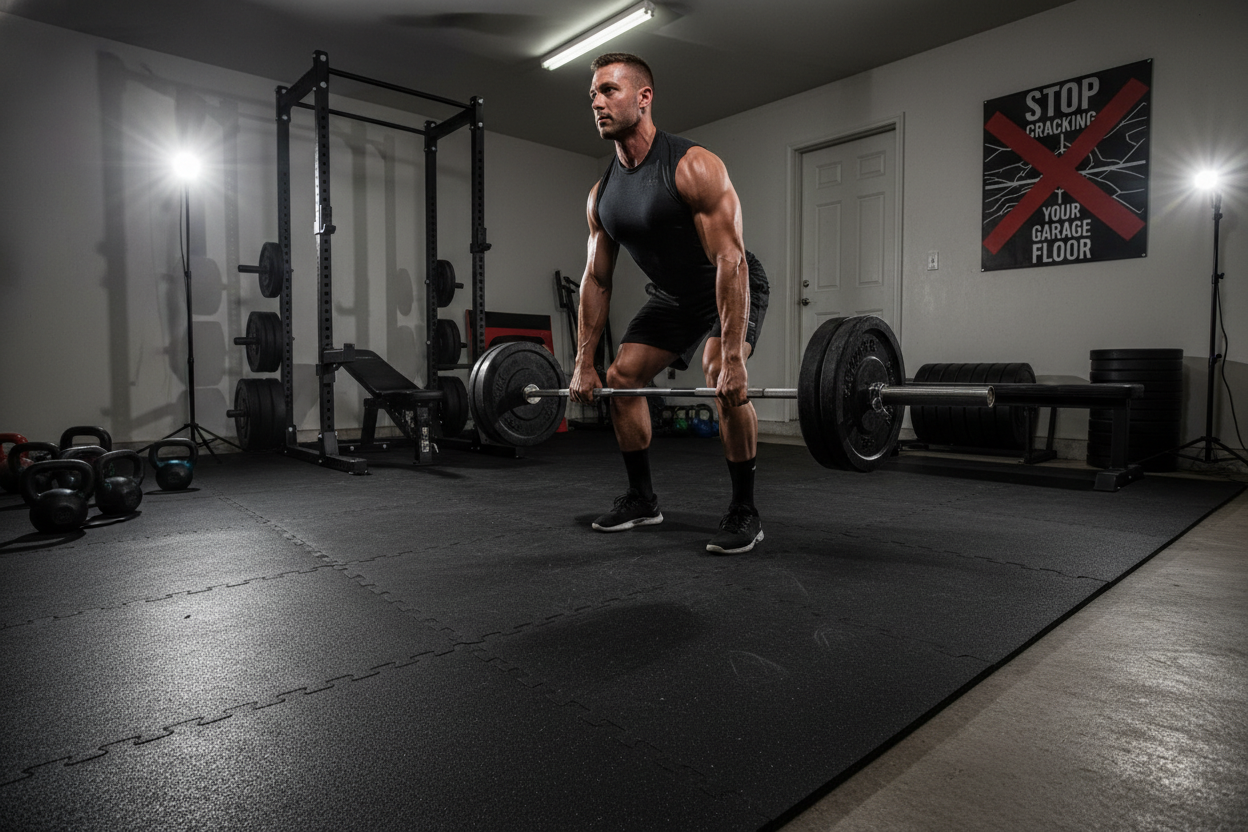
When planning an intense at home full body workout, your first consideration is your environment. You do not need a commercial-grade setup to see elite results, but you do need a strategy that matches your available tools.
Mastering the Bodyweight Approach
If you are traveling or simply lack gear, an intense full body workout no equipment routine is entirely possible. The secret lies in mechanical tension and metabolic stress. By slowing down your eccentric (lowering) phases, adding pause reps, and utilizing explosive plyometrics like jump squats or clapping push-ups, you can push your muscles to near failure without a single iron plate.
Essential Home Gym Upgrades
If you are ready to invest, focus on versatility. A pair of adjustable dumbbells or a single heavy kettlebell offers the highest return on investment for full-body training. These tools allow you to seamlessly transition from goblet squats to overhead presses, keeping your heart rate elevated and minimizing the space needed for your workout zone.
Structuring Your Session for Maximum Output
Randomly selecting exercises is a recipe for burnout or injury. A highly effective full-body session requires intelligent pacing and exercise selection.
Prioritize Compound Movements
Always start your routine with the most demanding exercises. Squat variations, deadlifts, and heavy rows should take priority early on. Once the heavy lifting is done, you can move on to isolation work or high-intensity conditioning finishers.
Managing Fatigue in Small Spaces
When doing an intense at home full body workout, supersets are your best friend. Pairing a lower-body push (like a lunge) with an upper-body pull (like a dumbbell row) allows one muscle group to recover while the other works. This cuts your workout time in half while keeping the intensity sky-high.
From Our Gym: Honest Take
I have tested countless routines in my own 10x10 garage gym, and I will be the first to admit that transitioning to full-body training was a humbling experience. During my first few weeks, I underestimated the systemic fatigue. I tried doing heavy barbell back squats followed immediately by heavy bench presses, and I was completely gassed by minute 20.
What actually worked? Swapping the barbell for a heavy pair of adjustable dumbbells. The knurling on my 80-pound adjustables held solid during heavy Romanian deadlifts, and I could instantly drop the weight for a superset of overhead presses. It saved me the hassle of constantly stripping barbell plates in a cramped space. The caveat? Grip fatigue becomes a real issue faster than you expect with adjustables, so you might need to invest in a good pair of lifting straps to keep progressing on your pulls.
Frequently Asked Questions
How often should I do an intense full body workout?
For most home athletes, 3 to 4 days a week is the sweet spot. This frequency allows for adequate recovery between sessions while keeping muscle protein synthesis elevated throughout the week.
Can I build muscle with an intense full body workout no equipment?
Absolutely. While external load is the most efficient way to build muscle, you can achieve hypertrophy with bodyweight exercises by training close to failure, increasing your reps, and manipulating your time under tension.
How long should these sessions last?
A well-programmed intense at home full body workout should take between 45 and 60 minutes. If you are pushing past the 75-minute mark, you are likely resting too long or including too much junk volume.