Indoor Sporting Equipment: What to Know Before Building a Gym
Building a home gym shouldn't mean sacrificing the quality of your workouts or completely surrendering your living space. Whether you're dealing with a cramped apartment corner or outfitting a spacious two-car garage, investing in the right indoor sporting equipment is the difference between a consistent fitness routine and a pile of expensive clothes hangers. In this guide, we'll break down exactly how to select the best gear for your space, budget, and training goals.
Key Takeaways
- Assess your available floor space and ceiling height before purchasing any large home exercise products.
- Prioritize versatile, multi-use gear like adjustable dumbbells or a power rack to maximize your investment.
- Factor in flooring and noise reduction if you plan to exercise with equipment at home in an upper-level room.
- Commercial-grade pieces offer better durability, but entry-level options often suffice for beginners.
Maximizing Your Training Space
One of the biggest hurdles to an effective equipment workout at home is spatial awareness. North American homes vary wildly, from sprawling basements to tight condo dens.
Garage vs. Spare Room Setups
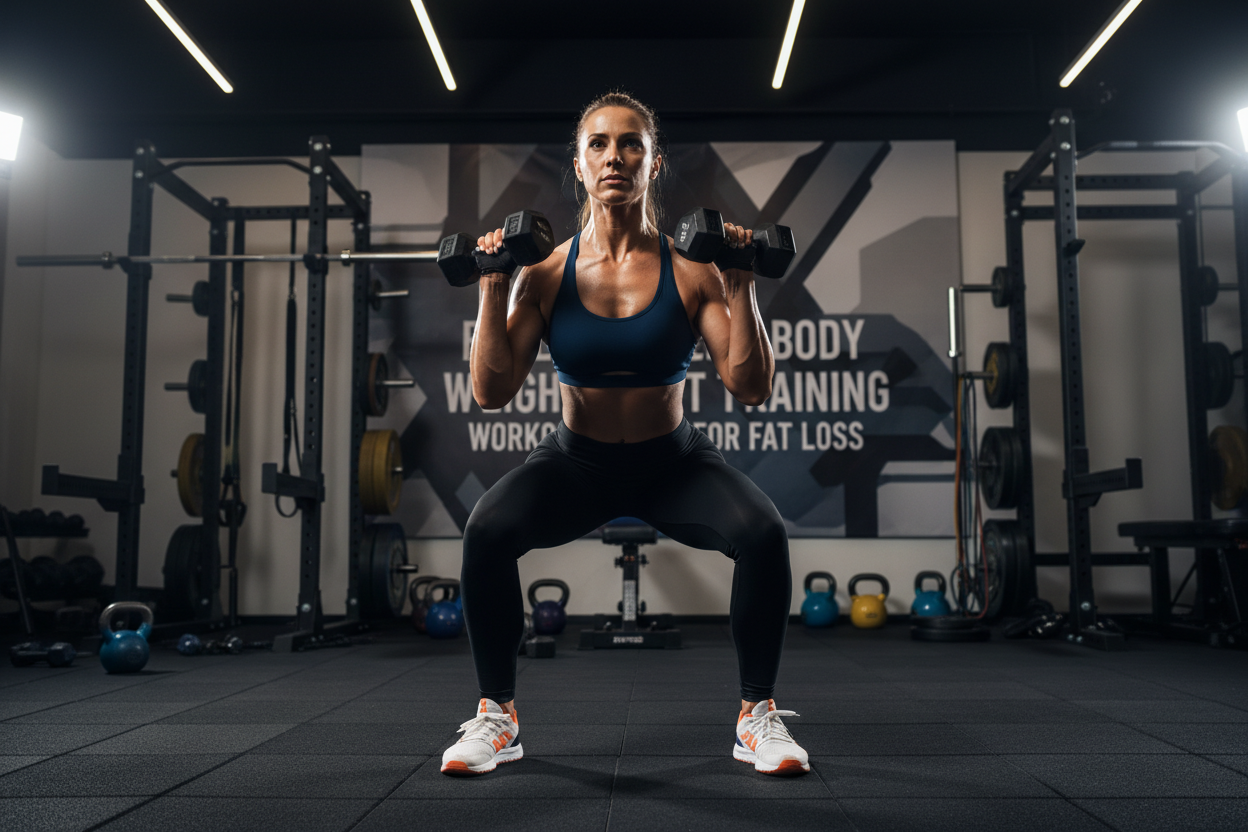
If you are setting up in a garage, you have the luxury of concrete floors and higher ceilings. This is ideal for heavy home fitness gear like squat stands or functional trainers. Conversely, spare bedrooms require careful attention to floor load limits and noise. High-density rubber mats are non-negotiable here to protect your subfloor and keep the peace with your neighbors or family downstairs.
Choosing the Right Gear for Your Goals
Not every exercise instrument at home needs to be a massive, bank-breaking machine. Building your setup in phases ensures you actually use what you buy.
The Core Essentials
Start with the basics. An adjustable bench, a quality barbell, and a set of bumper plates form the foundation of most strength programs. If space is incredibly tight, adjustable dumbbells and resistance bands are the ultimate compact sport at home equipment. They allow you to perform hundreds of movements without requiring a dedicated room.
Assessing Build Quality
When comparing products, look at the steel gauge and weight capacity. A 2x2 inch, 14-gauge steel rack might be fine for casual lifting, but if you're pushing serious weight, you'll want 3x3 inch, 11-gauge steel. It offers better stability and longevity.
From Our Gym: Honest Take
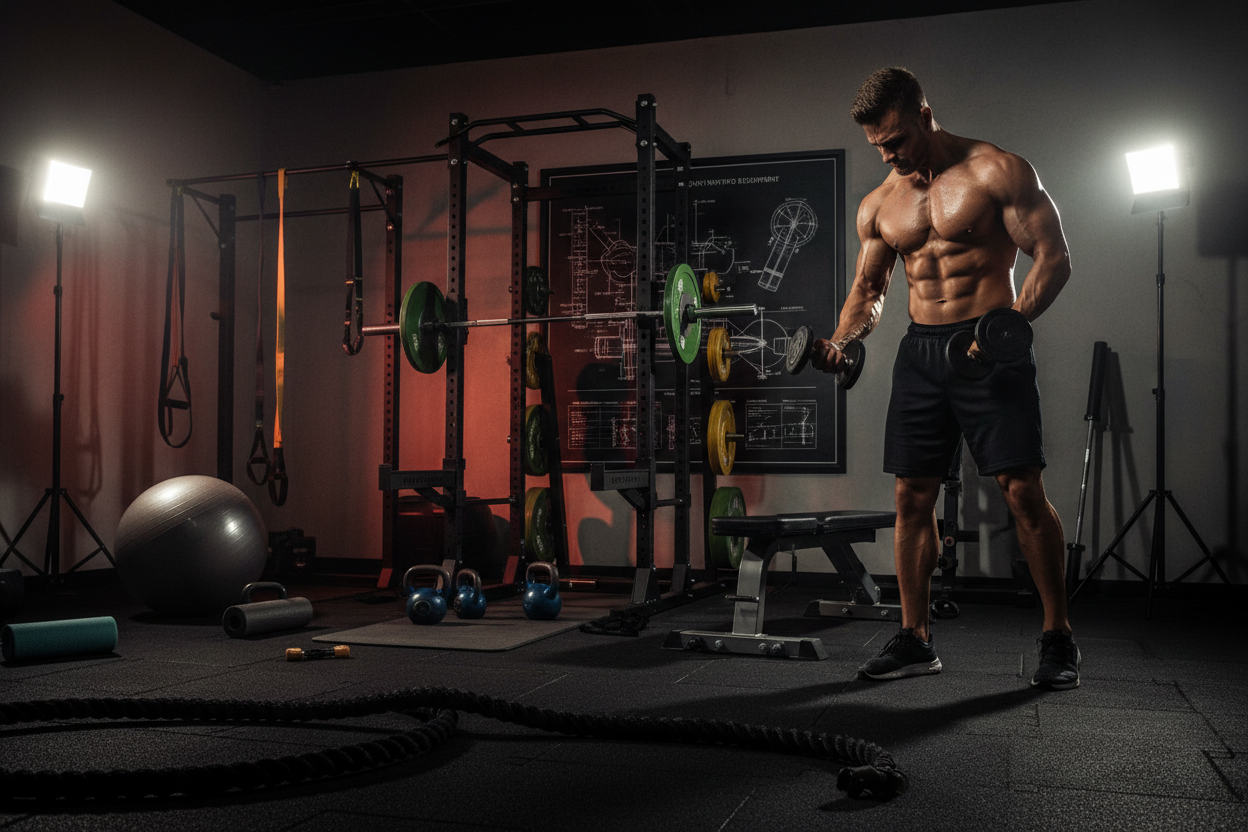
We've tested dozens of setups over the years, and I've personally built three different iterations of my own garage gym. When I finally upgraded my indoor sporting equipment to include a wall-mounted folding rack, it was a game-changer for space. However, I have to be honest: the setup wasn't perfectly smooth. Because my garage floor has a slight slope for drainage—common in North American builds—the rack's uprights didn't sit perfectly flush at first. I had to use heavy-duty shims to level it out. Always check your floor's grade before bolting anything to your studs!
Frequently Asked Questions
Is indoor sporting equipment worth the upfront cost?
Yes, especially when compared to the long-term cost of a premium gym membership. Most quality home exercise products pay for themselves within two to three years of consistent use, plus you save on commuting time.
How much space do I actually need for an equipment workout at home?
A basic setup with adjustable dumbbells and a bench needs about a 6x6 foot area. For a full power rack and barbell setup, you should plan for at least a 10x10 foot space to allow for plate loading and safe movement.
What is the best way to maintain my home fitness gear?
Wipe down your benches and pads with a mild antibacterial solution after each use. For barbells and metal exercise instruments at home, a quick brush of the knurling and a monthly application of 3-in-One oil will prevent rust, especially in humid or uninsulated garages.