I Wish I Knew This About How to Get Into Weightlifting as a Woman
I remember staring at a pair of 10-pound dumbbells in my garage, feeling like a total fraud while scrolling through a feed of 'perfect' fitness influencers. Every post seemed to contradict the last, leaving me stuck in a cycle of analysis paralysis that kept me from actually picking up the iron. Learning how to get into weightlifting as a woman shouldn't feel like you're studying for a PhD in biomechanics; it should feel like a challenge you’re actually excited to tackle.
- Consistency beats a 'perfect' program every single time.
- Master the big three movements: a squat, a push, and a pull.
- Free weights are generally better for home setups than bulky machines.
- The first 30 days are about habit and form, not hitting massive PRs.
The Information Overload is Ruining Your Start
The fitness industry thrives on making things complicated so they can sell you a 'secret' solution. Figuring out how to get into weight training as a woman is mostly about muting the noise and accepting that you will be a beginner for a little while. You don't need a 6-day split, a specialized 'booty band' program, or a cabinet full of supplements to see results.
Instead of trying to optimize every single set, focus on just showing up. Most of the 'rules' you see on social media are designed for people who have been training for a decade. When you are just starting out, the best routine is the one that doesn't make you want to quit by Tuesday morning.
How to Begin Weight Training for Females (Without the Chaos)
When you're looking at how to begin weight training for females, simplicity is your best friend. Most people fail because they try to learn twenty different exercises at once. This leads to poor form and, eventually, a lack of progress that kills your motivation. Focus on the bare-minimum required to build a foundation.
You'll need to find the right weights for strength training so you actually challenge your muscles without your form falling apart. If a weight feels like you're just waving air around, it's too light. If you're shaking on the first rep, it's too heavy. This simple calibration is the core of how to start strength training for females.
Pick Three Movements and Ignore Everything Else
I advocate for a minimalist approach: pick a squat variation (like a goblet squat), a push (like an overhead press), and a pull (like a one-arm row). That’s it. Do those three things three times a week. Once you stop feeling like a baby giraffe trying to walk, you can learn how to use free weights for strength training by adding more complex barbell or dumbbell work. Doing fewer things better is the secret sauce for early gains.
How to Start Lifting Weights Female at Home (The Setup)
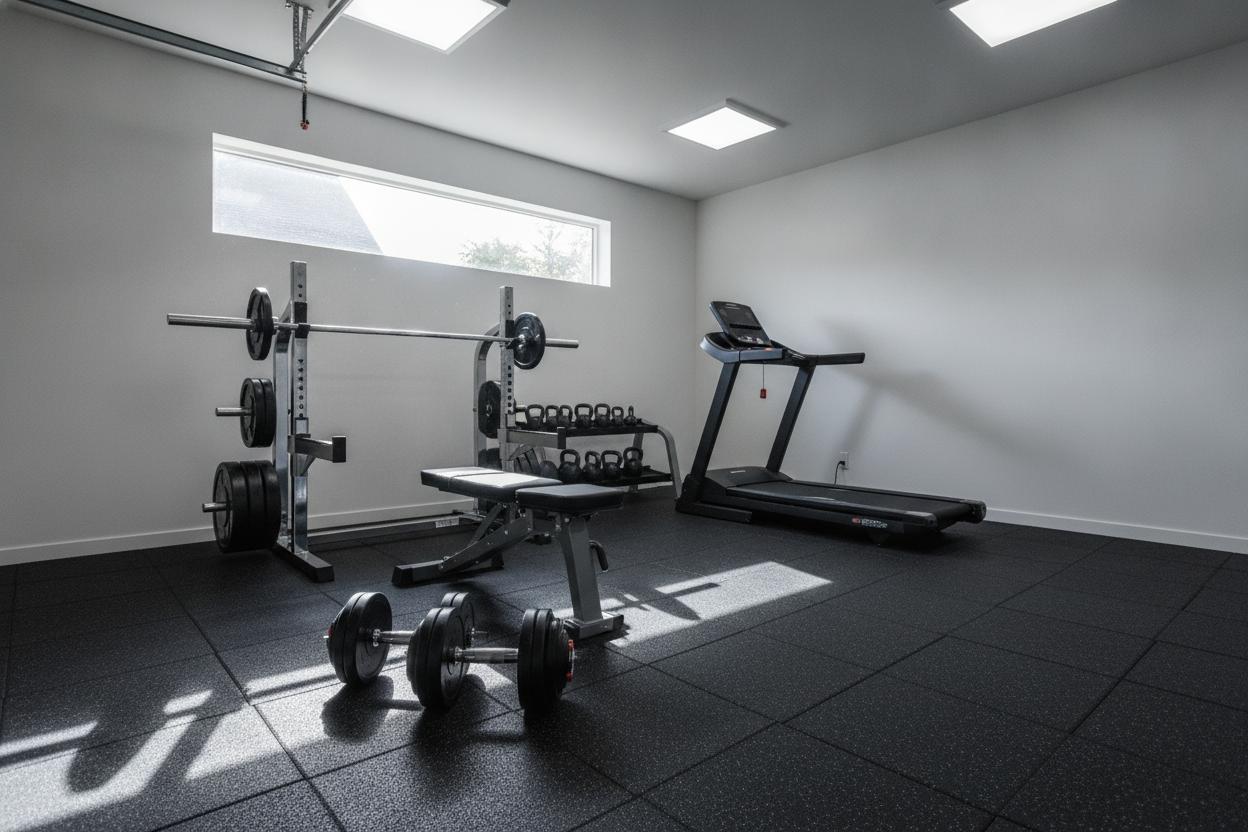
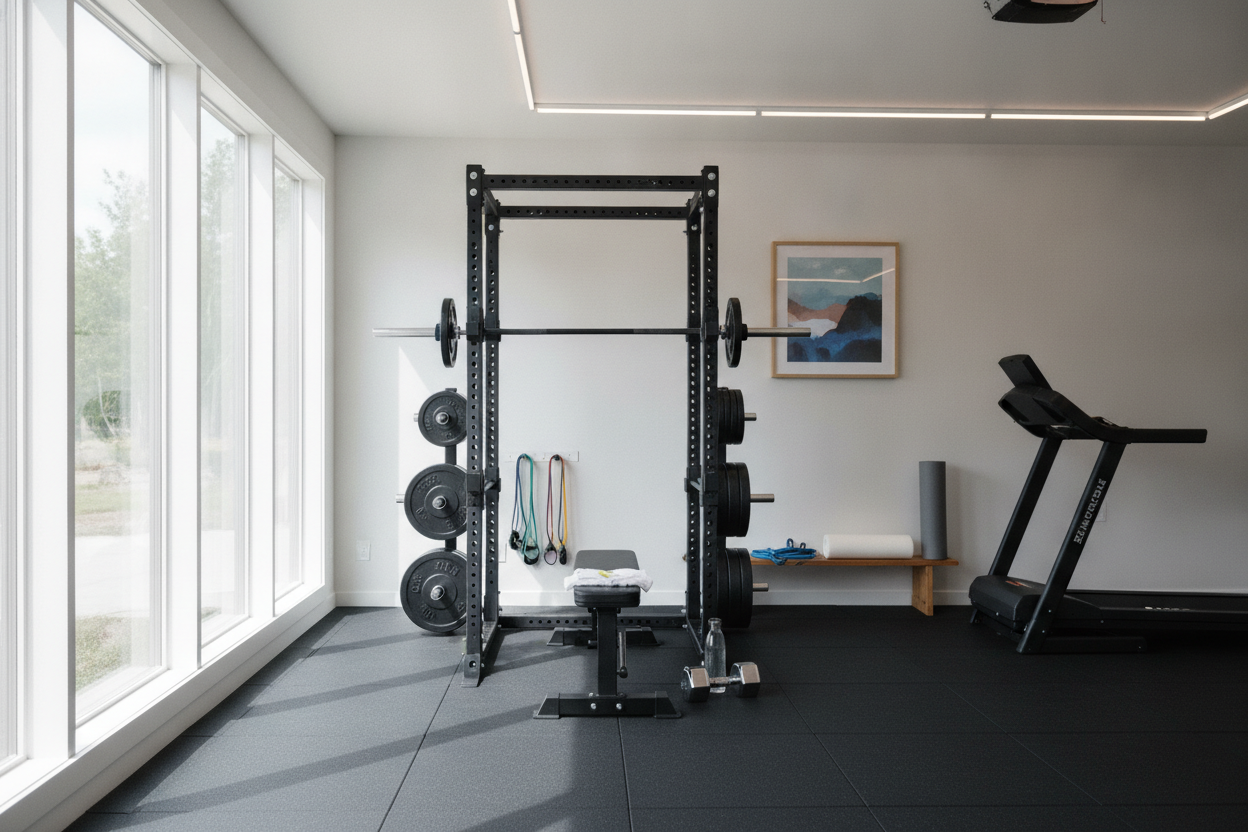
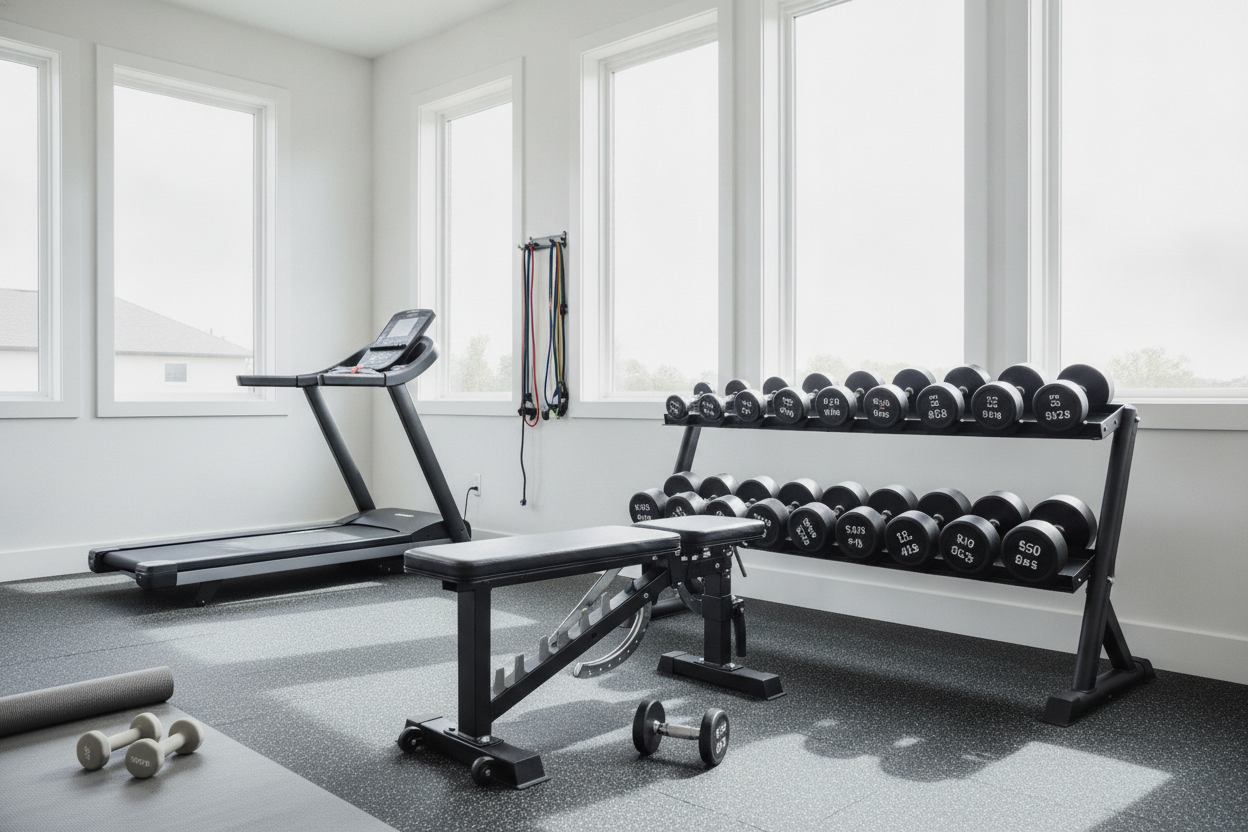
You don't need a massive budget or a two-car garage to build a serious physique. I started in a 6×8 ft corner with one set of adjustable dumbbells and a dream. To learn how to start lifting weights at home for females, you just need enough floor space to move and a few foundational pieces of gear.
A solid adjustable weight bench is the first thing I would buy after a set of weights. It opens up dozens of movements like chest presses, seated rows, and step-ups that are awkward or impossible to do on the floor. This is the most pragmatic way to approach how to start lifting weights female at home without turning your living room into a commercial gym graveyard.
Free Weights vs. Machines: What You Actually Need
Free weights force your body to stabilize the load, which builds 'real world' strength and engages more muscle fibers. However, weight lifting machines are great if you have a specific injury or if free weights feel too intimidating at first. Machines have a fixed path, which can help you feel the muscle working without worrying about your balance.
The 'Am I Doing This Right?' Phase Will Pass
You will feel awkward. You will wonder if everyone is looking at you. The 'Am I doing this right?' phase usually lasts about four weeks. If you stay consistent, your nervous system will catch up, and suddenly, those movements will feel like second nature. Don't chase perfection; chase the habit of showing up.
Personal Experience
My biggest mistake when I started was buying a 'beginner' set of weights that I outgrew in three weeks. I thought I wasn't 'strong enough' for 25-pound dumbbells, so I wasted money on 5s and 8s that now just hold my door open. Don't underestimate yourself—buy gear that gives you room to grow into your strength.
FAQ
Will lifting weights make me bulky?
No. Most women don't have the testosterone levels to build massive 'bulk' without years of specific, high-intensity training and a massive caloric surplus. It usually just makes you look more defined.
How many days a week should a beginner lift?
Three days a week is the sweet spot. It allows for enough recovery while still providing enough stimulus to see real changes in your strength and body composition.
Do I need a barbell to start?
Not at all. Dumbbells are much easier to store and are actually better for correcting muscle imbalances. You can get a world-class workout with just a few pairs of dumbbells and a bench.