I Wasted Years Before Learning These Tips Gaining Muscle
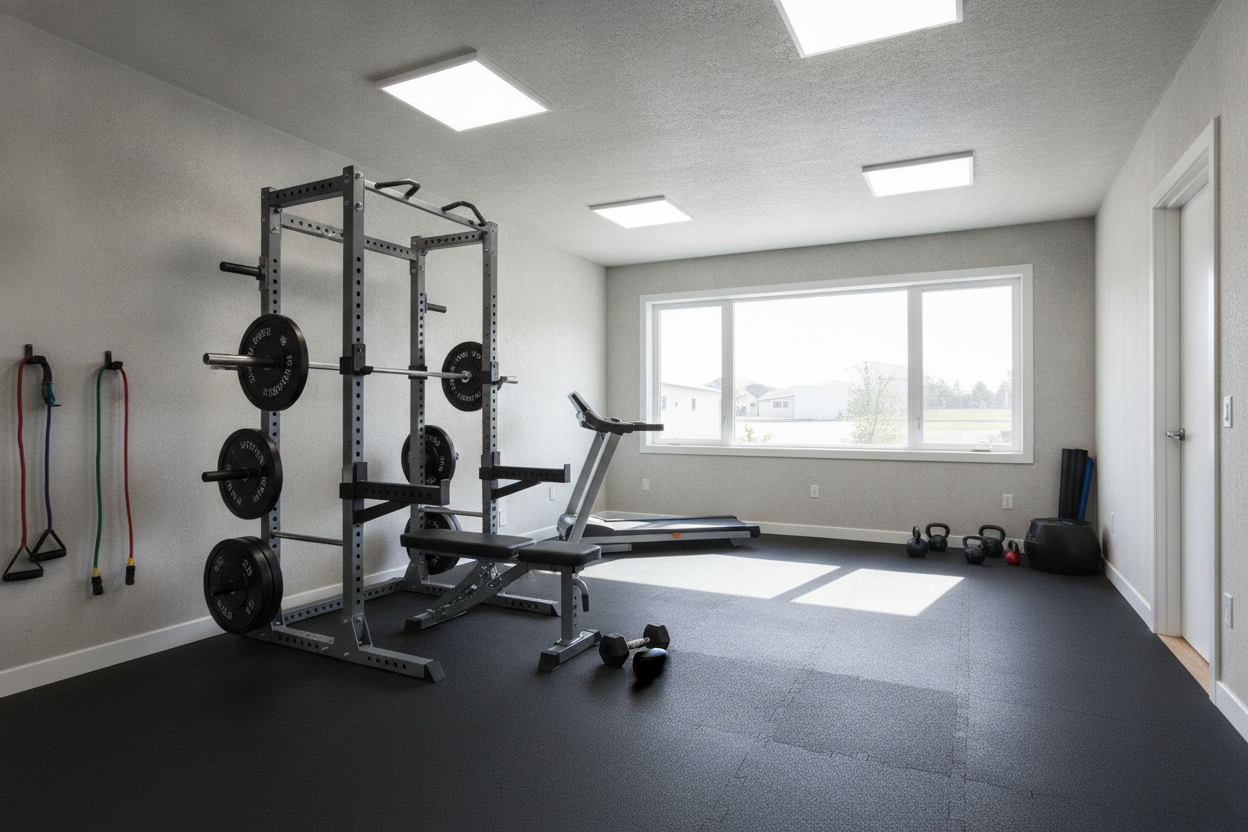
I remember staring at my power rack in 2018, gasping for air like I had just finished a 400-meter sprint. I was doing what I thought was high-volume hypertrophy work, but my chest felt like it was caving in and my reps were getting uglier with every set. I thought the sweat dripping onto my stall mats meant I was winning, but my physique was stuck in neutral.
It took me way too long to realize that my obsession with 'the grind' was actually holding me back. If you want to see real results, you have to stop treating your weight sessions like a race against the clock. These are the tips gaining muscle actually requires, learned the hard way in a cold garage with nothing but a barbell and some hard truths.
Quick Takeaways
- Muscle growth requires high-quality mechanical tension, not just being breathless.
- ATP stores need 3 to 5 minutes to fully replenish for maximum force production.
- Rushing rest periods turns a strength session into a mediocre cardio session.
- In cold home gyms, use layers and active recovery to keep joints warm during long breaks.
The Cardio Trap I Fell Into
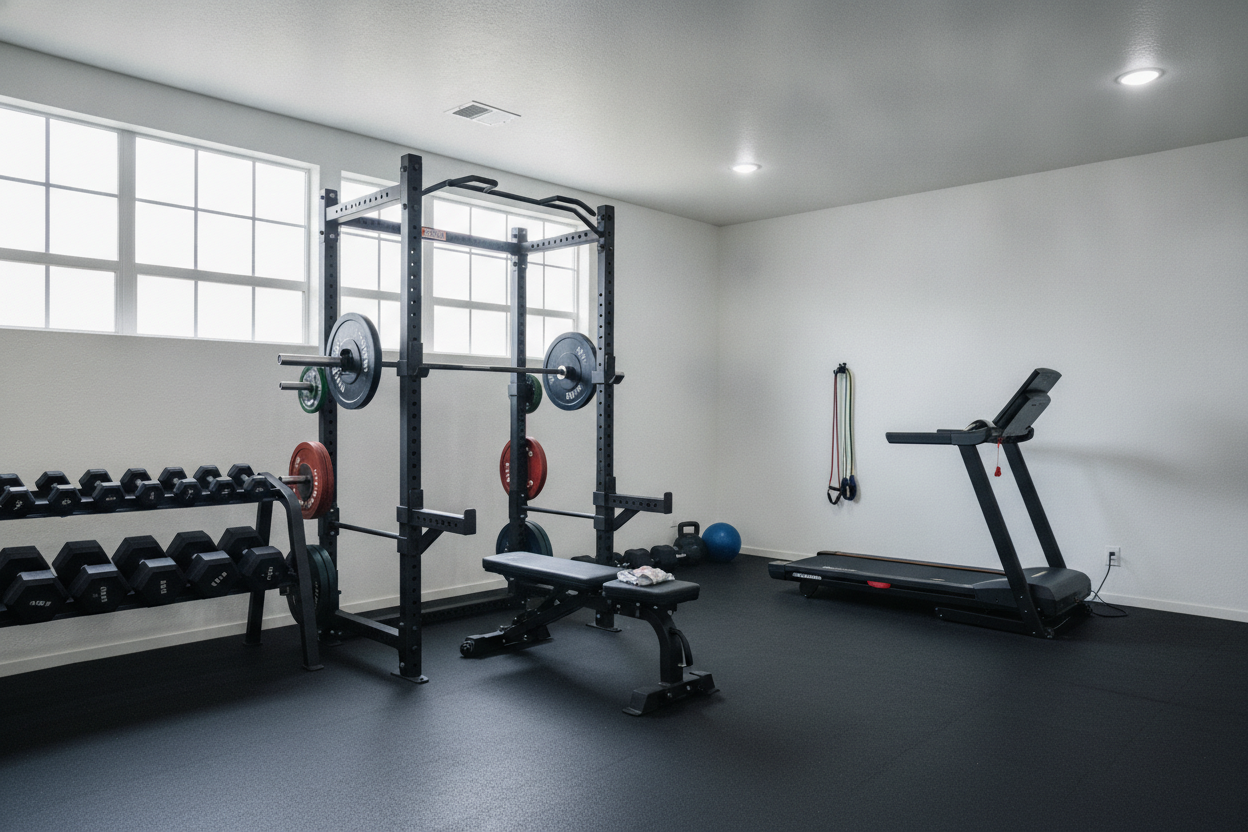
I used to treat my garage gym like a CrossFit box without the community. I would hit a set of squats, pace around for 45 seconds while checking my watch, and dive back under the bar. It felt intense. It looked great on a heart rate monitor. But I was just destroying my work capacity without actually challenging my muscle fibers to grow. I was too tired to lift heavy enough to matter.
The reality is that Why 90% of Internet Muscle Training Tips Fail in a Real Home Gym is often because they assume you have the luxury of a climate-controlled commercial space and a line of machines to jump on. In a home gym, if you exhaust yourself on the first movement by rushing, your entire session is cooked. I spent two years getting really good at being tired, but I didn't add a single inch to my arms or legs.
Why 45-Second Rests Keep You Small
High-intensity interval training is great for your lungs, but it is a terrible way to build a thick back or a massive squat. When you rush your rest, your ATP (adenosine triphosphate) hasn't fully recovered. This is the chemical energy that fuels explosive movements. If you go back in at 60% recovery, you are leaving 40% of your potential force on the table.
Your central nervous system also needs a minute to stop screaming. If your heart is still pounding in your ears when you grab the bar, you cannot recruit maximum motor units. You end up using momentum or smaller muscle groups to compensate because your primary movers are still gassed. You might feel a 'pump' from the local fatigue, but you aren't providing the mechanical tension needed for actual hypertrophy.
The 3-Minute Rule (And Why It Feels Awful at First)
The first time I forced myself to sit for three full minutes between sets of heavy overhead presses, I felt like a fraud. I was just sitting on my bench, staring at a wall in a silent garage. It felt lazy. But then I hit my second set, and the weight moved like it was 20 pounds lighter. I realized I Tested Every Fad: Real Weight Lifting Tips to Build Muscle and nothing beat the sheer return on investment of doing absolutely nothing for a few minutes.
Forcing yourself to wait requires a different kind of discipline. It’s easy to work hard when your heart is racing; it’s hard to sit still when you feel like you should be 'doing something.' But that rest is where the performance happens. If you want to grow, you need to be fresh enough to push your limits on every single working set, not just the first one.
What to Actually Do While You Wait
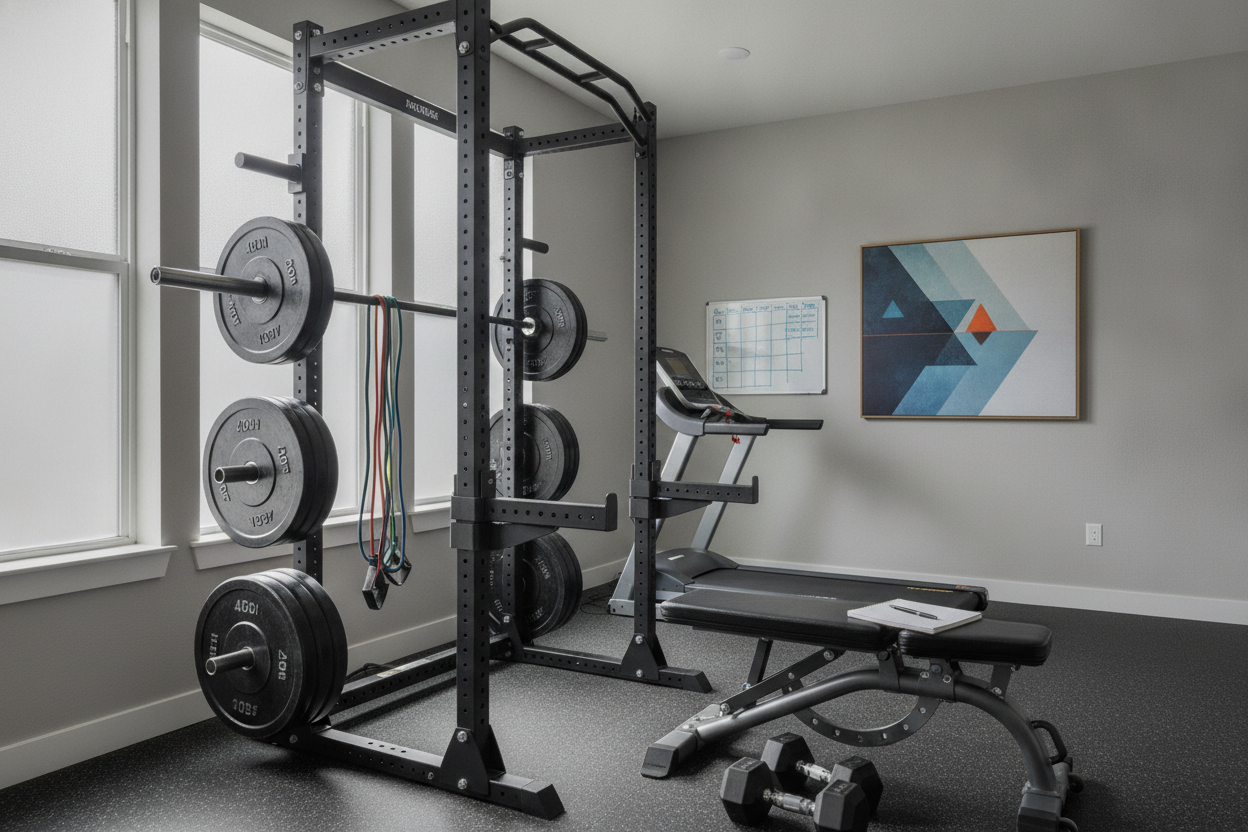
Don't scroll Instagram. Social media is a dopamine trap that fries your focus and makes your rest periods feel like five seconds or twenty minutes with no in-between. I log my weights in a physical notebook—actual paper doesn't have notifications. It keeps me tethered to the work I just did and what I need to do next.
I also focus on regulating my breathing. I use 'box breathing' to bring my heart rate down as fast as possible. I want my body to realize the 'threat' is over so it can start the recovery process immediately. Visualize the next set. Feel the knurling in your mind. Stay in the zone without burning unnecessary energy.
My Go-To Muscle Mass Tips for Cold Garages
Training in a 40-degree garage in January changes the rest-period game. If you sit for 5 minutes in a t-shirt, your joints will lock up and your muscles will get cold, increasing your injury risk. These are my favorite muscle mass tips for the winter months: wear a heavy hoodie for the first half of the workout and keep a space heater aimed at your rack area.
During those long rests, I don't just sit like a statue. I do 'active rest.' I'll walk slow laps around the car, do some light arm swings, or do ankle circles. You want to keep the blood flowing and the joints lubricated without spiking your heart rate again. It’s a delicate balance, but it’s the only way to stay safe while chasing heavy volume in the cold.
Applying the Patience Protocol to Your Next Session
Next time you head out to the garage for a leg day, pull out a stopwatch. Don't guess. Actually wait the three to five minutes between your heaviest sets of squats or deadlifts. You will probably feel bored. You might even feel like you aren't working hard enough because you aren't panting like a dog.
But look at the numbers in your logbook. If you can suddenly hit two more reps on your third set than you did last week, you’ve found the secret. Stop trying to turn your lifting into a cardio circuit. Give your body the time it needs to actually produce force, and the muscle will finally have a reason to grow.
FAQ
Is 5 minutes of rest too much?
Not for heavy compound movements like squats or deadlifts. If you are moving 80% or more of your max, your nervous system needs that time. For smaller isolation moves like curls, 90 seconds is usually plenty.
Won't I lose my pump if I wait that long?
A pump is just blood flow and metabolic waste. It looks cool in the mirror, but it isn't the primary driver of growth. Mechanical tension is king. I'd rather have a smaller pump and a bigger squat any day of the week.
How do I stop getting bored during long rests?
Focus on the data. Use the time to analyze your last set. Did your hips rise too fast? Was your bracing tight? Treat the rest period like a tactical debrief rather than a break from the work.