I Wasted Years Before Learning How to Build a Weight Lifting Routine
I remember scrolling through social media at 2 AM, looking at a pro bodybuilder's back routine while sitting in my dusty garage. I thought if I just did 20 sets of rows and high-volume lat pulldowns, I'd look like that. I didn't. I just ended up with a cranky lower back, a massive amount of fatigue, and a gym that started to feel like a chore. Learning how to build a weight lifting routine isn't about copying the guys on gear; it's about matching your work to your actual recovery capacity and the gear you have on hand.
- Stop the 'bro split' if you only train 3 days a week.
- Compound movements are your bread and butter—prioritize them.
- Equipment dictates your programming, not the other way around.
- Progressive overload is the only variable that truly matters for long-term growth.
The Trap of Copying Fitness Influencers
Most 'pro' routines are built for people whose full-time job is recovery. They have chefs, massage therapists, and 'special supplements' that help them bounce back from 30 sets a session. You probably have a 9-to-5, a couple of kids, and maybe six hours of sleep if you're lucky. Trying to run a high-volume, six-day-a-week body part split in your garage is a recipe for burnout.
I tried it for a year. All I got was tendonitis in my elbows and a bunch of half-finished workouts because I was too exhausted to hit the accessory work. If you're training in a home gym, you need a plan that respects your time and your central nervous system. You want to leave the gym feeling like you did work, not like you need a three-day nap.
The Bare Minimum Variables You Actually Need to Care About
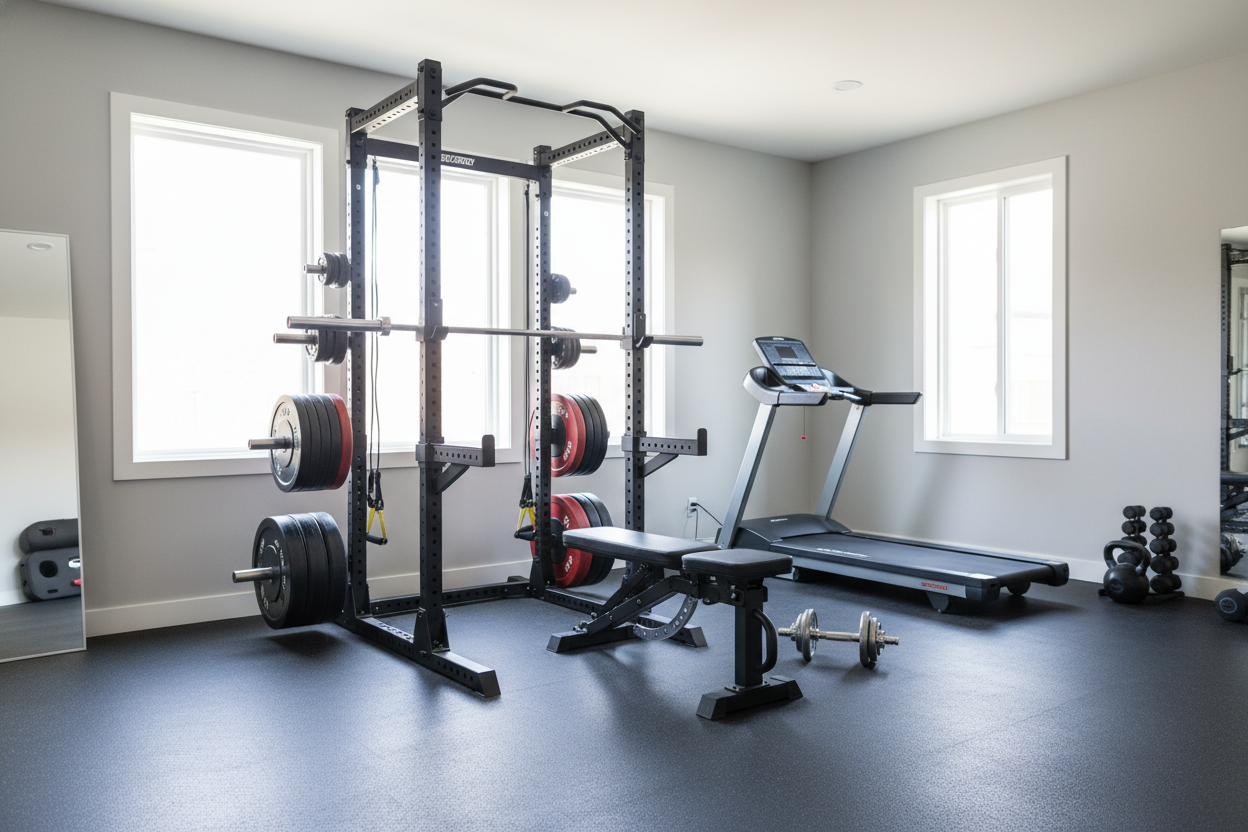
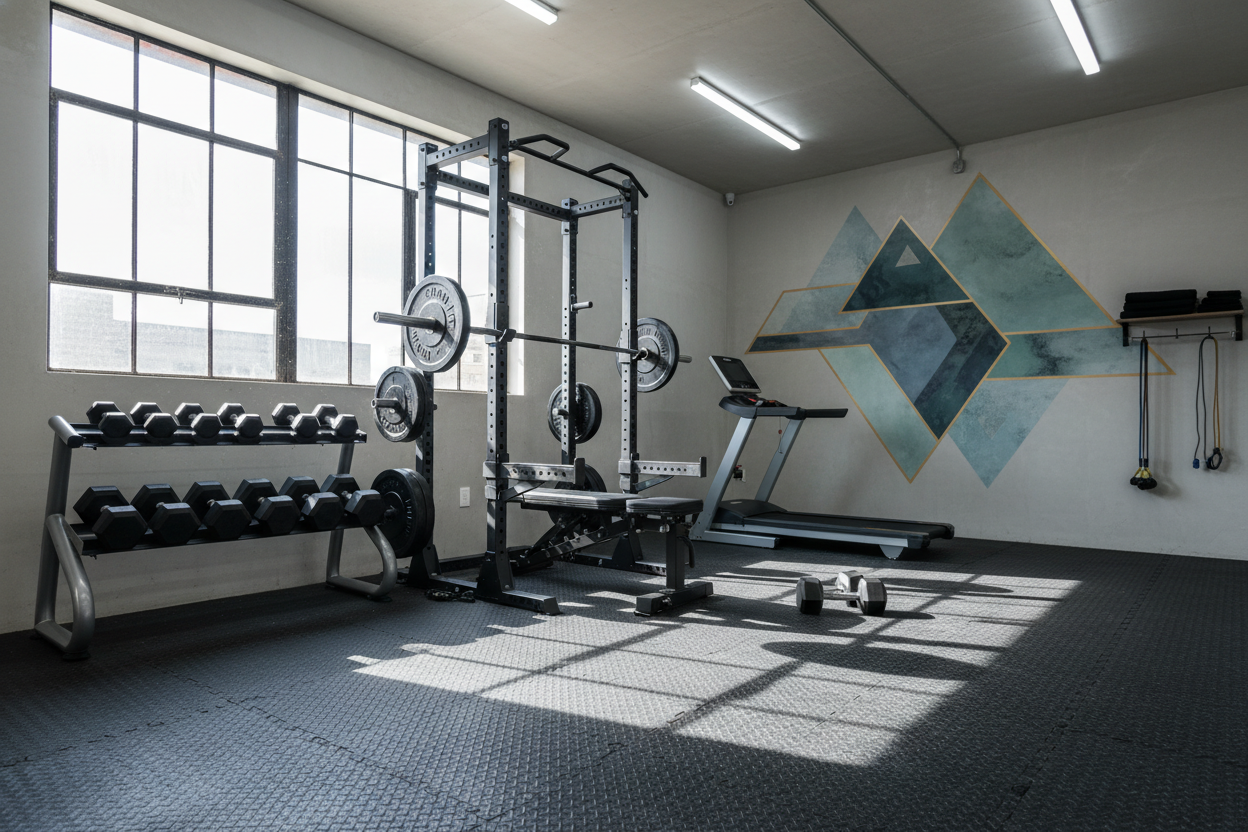
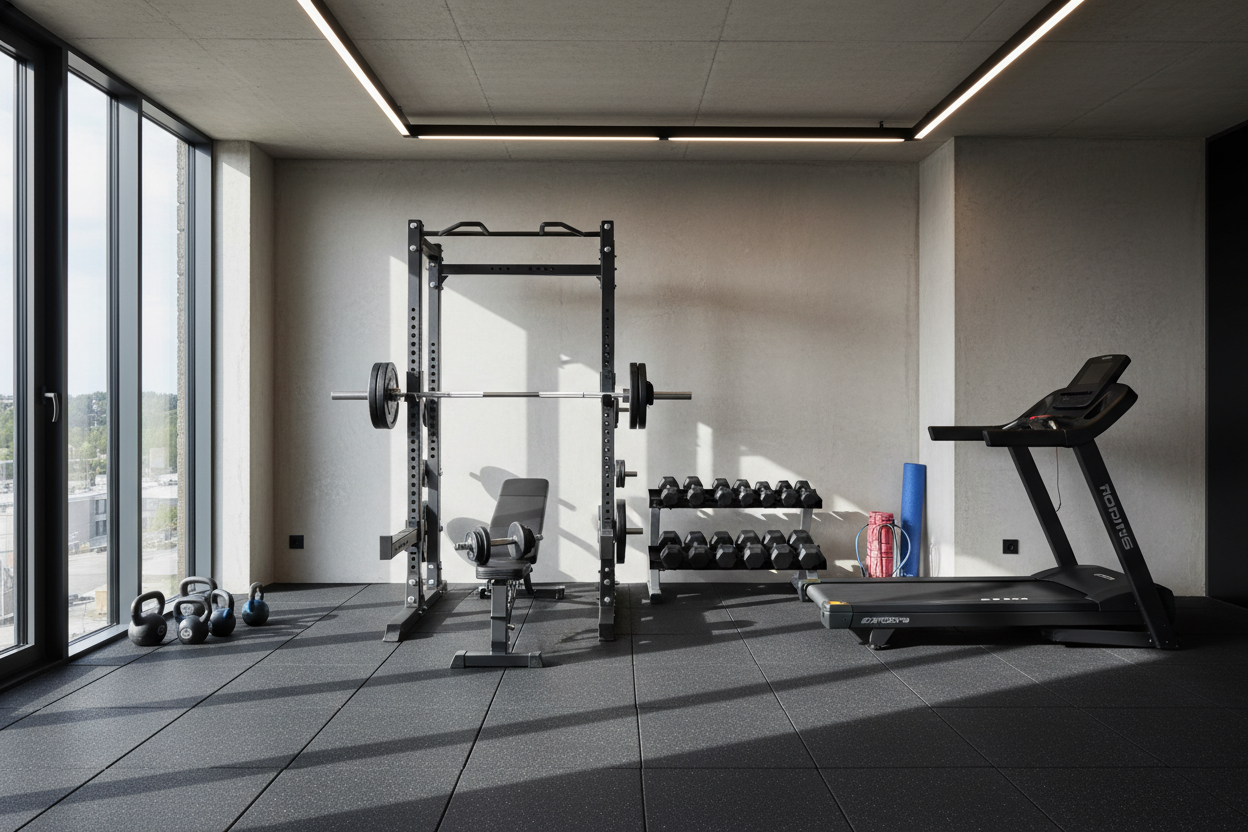
You don't need a PhD in kinesiology to see results. You need three things: consistency, progressive overload, and a way to track it. If you add 5 lbs to the bar or squeeze out one extra rep every two weeks, you're winning. Your gear matters here too. If you've got a Gxmmat X6 Power Rack Weight Bench Package, you have everything needed for the big foundational lifts. A rack and a bench are the anchors of any real program because they allow you to safely push to failure without a spotter.
Figuring Out Your Realistic Training Frequency
Don't tell me you're going to train six days a week. You aren't. Life happens—the car breaks down, or you have to stay late at work. When you are learning how to build a weightlifting program, start with three days. If you can hit three days every single week for three months without missing a session, then maybe think about adding a fourth. A focused 45-minute session three times a week beats five days of 'I am too tired for this' every single time.
Step-by-Step: How to Create a Weight Training Program for Your Garage
Instead of thinking about 'Chest Day' or 'Back Day,' think in movement patterns: Push, Pull, Squat, and Hinge. This ensures you aren't ignoring your hamstrings or rear delts just because you can't see them in the mirror. If you're tight on space, you might not have room for a dedicated leg press or a 10-station cable crossover. That is fine. You can find plenty of Weight Lifting Machines that consolidate these movements into a smaller footprint. The goal is to cover all your bases without turning your garage into a cluttered obstacle course where you spend more time moving gear than lifting it.
Picking Your Heavy Core Lifts First
Every session should start with one big movement while your energy is highest. Think Barbell Squat, Overhead Press, or Deadlift. These are the 'systemic' lifts that trigger the most growth. If you prefer a more guided approach or have old injuries to manage, you can learn How To Build Real Muscle With A Multi Weight Machine. These units are great for heavy pressing and pulling without needing a spotter or worrying about your balance on a shaky floor. Do your heavy work first, then move on.
Filling the Gaps with Accessory Work
Once the heavy stuff is done, you can move to the 'pretty' muscles—bicep curls, lateral raises, and tricep extensions. This is where a Gxmmat Adjustable Weight Bench becomes your best friend. Incline curls or seated lateral raises require a solid, stable bench that doesn't wobble when you shift your weight. Keep the volume moderate here; 2-3 sets of 10-15 reps is usually the sweet spot for muscle growth without overtaxing your joints.
Progression: Why Your New Routine Needs to Be Boring
'Muscle confusion' is a marketing term used to sell new workout apps every month. Your muscles don't need to be confused; they need to be challenged. Stick to the same 6-8 exercises for at least 12 weeks. If you keep changing the movements every week, you'll never know if you're actually getting stronger or just getting better at a new skill. Boring builds muscle. Keep a logbook, write down your numbers, and try to beat them next week.
Personal Experience: My Biggest Programming Mistake
I used to change my program every time I saw a cool new video on YouTube. One week I was doing 'German Volume Training,' the next I was trying some 'Power-Building' hybrid I found on a forum. My bench press stayed at 185 lbs for two years. It wasn't until I stripped everything back to a basic 3-day full-body split and stuck to it for six months that I finally hit 225. My mistake was thinking variety was the secret sauce. It is actually just showing up and doing the same hard work over and over.
FAQ
How long should my workouts be?
Aim for 45 to 75 minutes. If you're in the gym longer than that, you're probably scrolling on your phone too much or resting way longer than necessary between sets.
Do I need a barbell to build a routine?
Not strictly, but it helps for heavy loading. You can build a great physique with dumbbells and machines if that's what fits your budget and your floor space.
When should I change my routine?
Only when you've plateaued for more than three weeks despite eating enough and getting decent sleep. If you're still adding weight to the bar, don't change a thing.