I Used the Science and Practice of Strength Training in My Garage Gym
I was stuck. My bench hadn't moved in six months, and my squat felt like I was folding like a lawn chair every time the weight crossed 315. I spent hours scrolling forums, but everyone just argued about whether low-bar or high-bar was 'optimal.' I finally got tired of the noise and bought the actual textbook: science and practice of strength training by Vladimir Zatsiorsky. It’s not a light read, and it’s definitely not a '6-weeks to abs' guide, but it changed how I look at every plate I slide onto the bar.
Quick Takeaways
- Zatsiorsky defines three specific ways to build strength: Maximal, Dynamic, and Repeated effort.
- The 'Two-Factor' theory of fitness and fatigue is the secret to not burning out your CNS.
- You don't need a PhD to use this; you just need a barbell and some discipline.
- The 3rd edition is the gold standard for modern garage gym owners.
Why I Finally Bought the Heavy Eastern Bloc Textbook
I used to think that 'science' in lifting was just a way for people who don't lift heavy to feel superior. But after hitting a brutal plateau that lasted through three different 'influencer' programs, I realized I was just throwing darts in the dark. I needed to understand the biomechanics of how a human body actually moves a load. I hunted down the science and practice of strength training zatsiorsky text because I wanted to move past the endless forum debates and get to the source code.
Vladimir Zatsiorsky isn't just some guy with a clipboard. He’s a former consultant for the Soviet Union’s Olympic teams. When you read the science practice of strength training, you aren't getting marketing fluff; you're getting decades of data on how elite athletes actually generate force. It’s dense, it’s dry in places, and the math can get hairy, but the logic is bulletproof.
The Three Methods of Maximum Tension (Translated for Humans)
The core of the science practice strength training philosophy boils down to how you create muscle tension. Most of us go into the garage and just do '3 sets of 10' until we’re bored. Zatsiorsky argues that there are three distinct pathways to get stronger, and if you only use one, you’re leaving gains on the table.
The Maximal Effort Method: Moving Heavy Iron
This is the king of strength. It involves lifting weights that are 90% of your 1RM or higher. In my 150-square-foot garage, this means I’m living in the 1-3 rep range. It’s not about muscle size; it’s about teaching your central nervous system (CNS) to fire every fiber at once. Since I lift alone, I had to invest in some heavy-duty spotter arms for my rack. You can't do this every week or you'll fry your brain, but once a week? It’s the fastest way to get strong.
The Dynamic Effort Method: Speed Kills
This was the biggest shift for me. The science of strength training pdf community often talks about moving sub-maximal weights (50-60%) as fast as biologically possible. I started using bands on my power rack to create accommodating resistance. The goal isn't to struggle; it's to accelerate. If the bar isn't moving like it's shot out of a cannon, you're doing it wrong.
The Repeated Effort Method: Getting Jacked
This is your standard bodybuilding work. Lifting a non-maximal load to failure. It’s essential for building the actual muscle mass that supports the heavy stuff. The trick I learned from the zatsiorsky science and practice of strength training is that this should be your 'assistance' work. It builds the engine, while the maximal effort method tunes it.
How I Actually Program This in a 150-Square-Foot Space
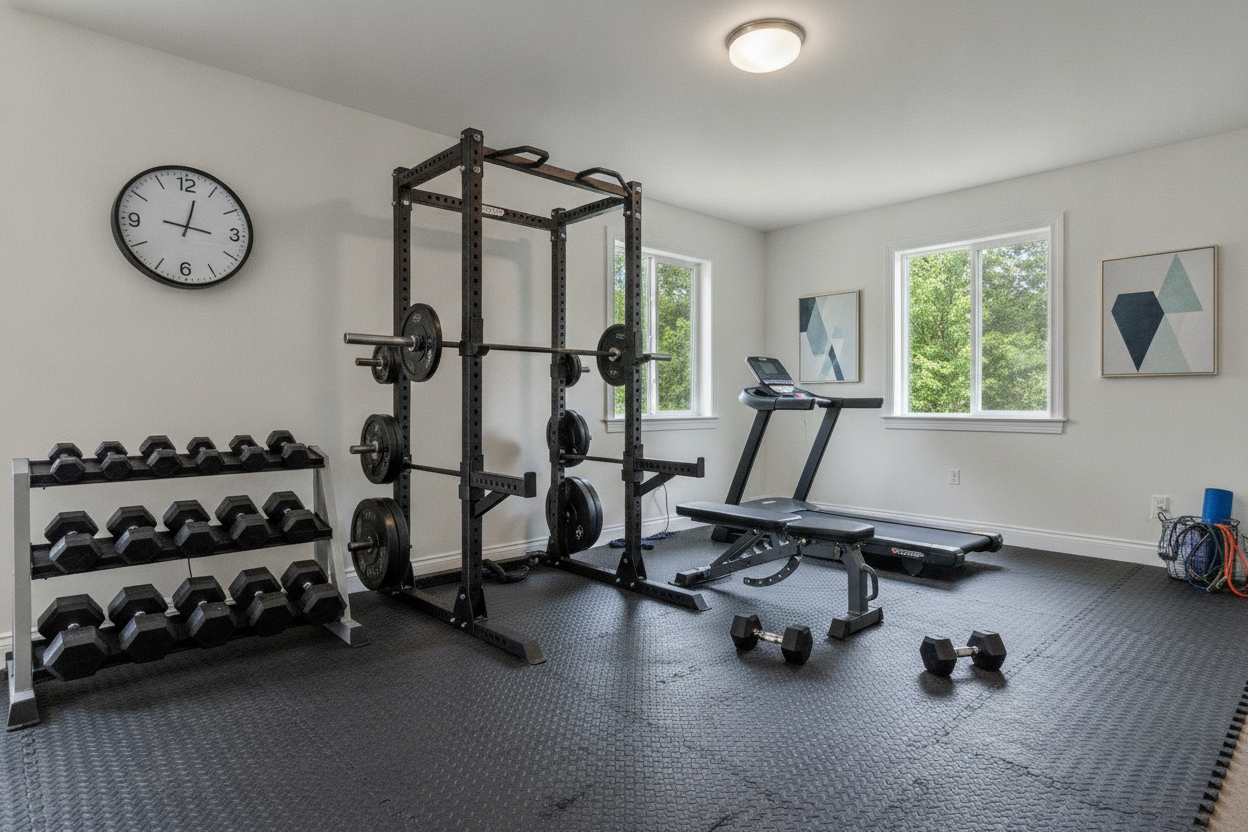
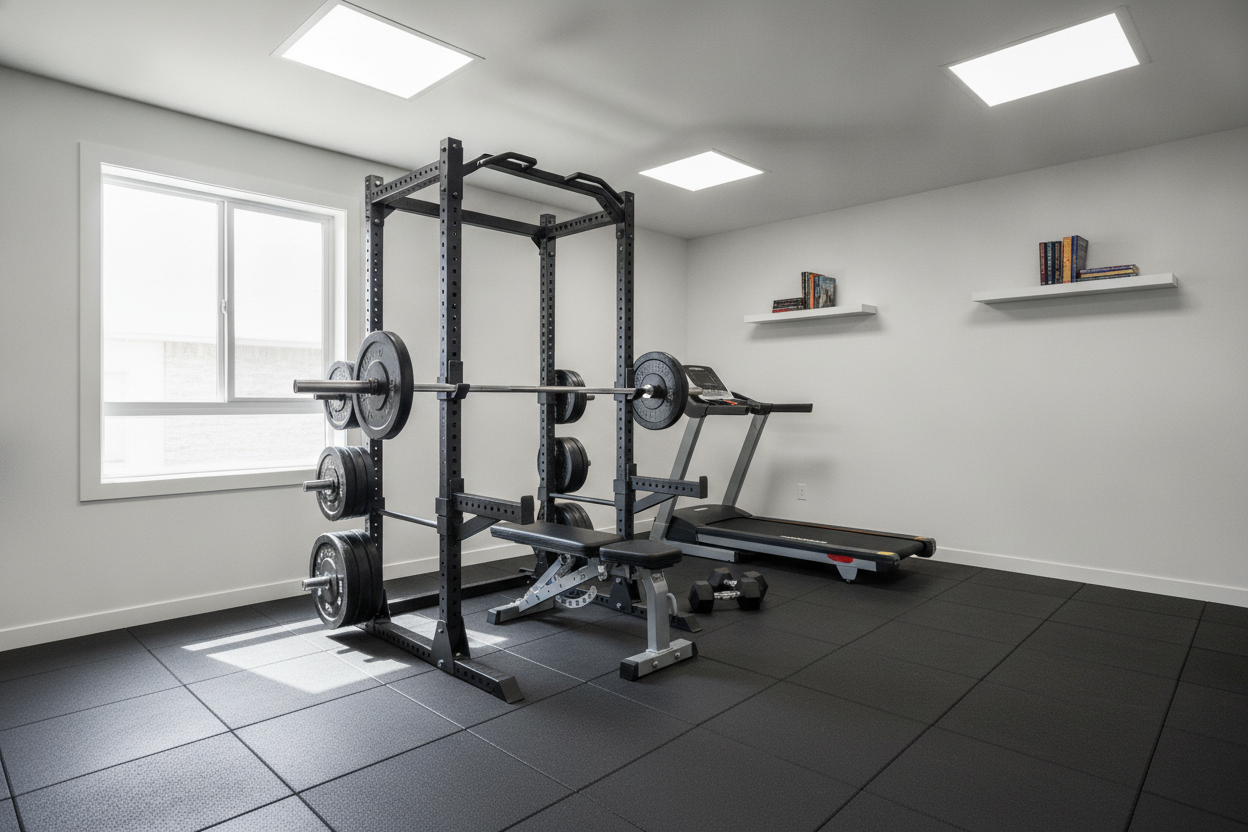
I don't have room for 20 machines. I have a rack, a barbell, and about 500 lbs of plates. Applying the the science and practice of strength training principles meant I had to stop trying to do everything at once. I now rotate my focus. Monday is Maximal Effort (Squat/Bench), Wednesday is Dynamic Effort (Speed pulls), and Friday is Repeated Effort (High volume rows/presses).
It’s about sequencing these heavy strength days with your conditioning blocks so they don't interfere. I usually follow the three phases of real strength and conditioning to ensure I'm not just burning myself out before the main lifts. In a small space, efficiency is everything. If a movement doesn't fit one of Zatsiorsky's three methods, it doesn't stay in the program.
Don't Be an Idiot: Managing Fatigue and Recovery
The book introduces the 'two-factor theory.' Essentially, every workout creates two things: fitness and fatigue. Fitness lasts a long time, but fatigue is intense and short-lived. If you lift heavy again before the fatigue drops, you're just digging a hole. I learned this the hard way. I once ignored the principles of strength training and tried to max out three weeks in a row, which left my rotator cuffs screaming and my progress stalled for months.
You have to track your 'readiness.' If my bar speed on dynamic days is slow, I know the fatigue factor is too high. I back off. It’s not being soft; it’s being biological. If you ignore the science and practice of strength training by zatsiorsky, your joints will eventually force you to listen anyway.
Is the 3rd Edition Actually Worth Buying for a Casual Lifter?
If you're looking for the science and practice of strength training 3rd edition pdf, I get it—textbooks are expensive. But honestly, having the physical science and practice of strength training book on the shelf in the gym is worth it. The 3rd edition, co-authored by William Kraemer, adds a lot of modern context that the original science and practice of strength training vladimir m zatsiorsky version lacked.
Final verdict? If you are tired of 'fitness influencers' and want to know why a muscle actually grows and moves, buy the book. It’s the ultimate antidote to gym-bro pseudoscience.
FAQ
Do I need a lot of equipment for this?
No. A solid power rack, a barbell, and enough plates to actually challenge your 1RM are all you need. You can add bands for the dynamic effort work for about thirty bucks.
Is this too advanced for a beginner?
The book is technical, but the principles apply to everyone. If you're just starting, focus on the Repeated Effort method first to build a base before trying to move 95% of your max.
How often should I change my program?
Zatsiorsky suggests that the body adapts to a stimulus in about 2-4 weeks. I usually rotate my main lift variations (like switching from back squats to front squats) every three weeks to keep the 'maximal effort' method effective.