I Turned My Spare Room Into a Home Gym for Under $2,000 – Here's What Actually Worked
Building a home gym doesn't require a massive budget or converting your entire garage into a commercial fitness center. After months of research and some trial-and-error purchases, I've learned that the right fitness equipment for home use comes down to understanding your workout style, available space, and realistic goals. The good news? You can create an effective workout space with just a few key pieces that'll serve you for years.
The landscape of home fitness exercise equipment has exploded in recent years, making it both easier and more confusing to get started. Walk into any home fitness store or browse online, and you'll be overwhelmed by options ranging from compact resistance bands to full-scale gym home system setups that rival commercial facilities. The secret isn't buying everything at once—it's selecting versatile pieces that align with how you actually exercise, not how you imagine you might.
What You Actually Need to Get Started
Most people overthink their initial setup. When I first started researching fitness accessories for home workouts, I made lists of dozens of items I thought I needed. Reality check: I used maybe half of them regularly. The foundation of any solid home gym training equipment collection starts with adjustable dumbbells, a quality exercise mat, and resistance bands. These three items alone can facilitate hundreds of different exercises targeting every muscle group.
Adjustable dumbbells deserve special mention because they solve the biggest problem with traditional weights—space. Instead of a rack holding 10-15 pairs of dumbbells, you get one set that adjusts from 5 to 50 pounds or more. They're not cheap, typically running $300-500, but they replace thousands of dollars worth of individual weights. This is the kind of personal fitness equipment that pays for itself in convenience and versatility.
The Cardio Question: What's Worth the Investment?
Stationary gym equipment for cardio represents the biggest financial decision most people face. Treadmills, ellipticals, rowing machines, and stationary bikes all have their merits, but they also take up serious real estate. I spent weeks debating this before settling on a rowing machine, and here's why: it provides both cardio and strength training, folds up for storage, and engages 86% of your muscles during each stroke.
If running is your passion, treadmills make sense despite their bulk. The newest gym equipment in this category includes models with interactive screens, incline training, and cushioned decks that reduce joint impact. Budget options start around $500, but expect to spend $1,200-2,000 for something that'll withstand daily use. For apartment dwellers or those with limited space, a quality jump rope costs $15 and delivers intense cardio without any footprint.
Building Out Your Space Over Time
The best approach to buying home workout equipment is gradual expansion based on actual use patterns. I started with basics and added pieces quarterly as I identified gaps in my routine. A pull-up bar was my second major purchase after realizing how limited bodyweight exercises felt without it. Installation took 10 minutes, cost $30, and opened up dozens of new exercise variations.
Kettlebells came next. These cast-iron weights with handles might look medieval, but they're incredibly efficient for building strength and conditioning simultaneously. Starting with one 35-pound kettlebell gave me access to swings, Turkish get-ups, goblet squats, and countless other movements. This is the kind of sport equipment home gyms benefit from most—simple tools that enable complex, effective workouts.
The Bench Decision
An adjustable weight bench ranks among the most valuable additions to home fitness fitness equipment collections. Mine cost $180 and transformed my dumbbell workouts. Suddenly I could do incline presses, decline sit-ups, step-ups, and proper supported rows. The adjustability matters because different angles target muscles differently. A flat-only bench saves money upfront but limits exercise variety significantly.
Smart Storage Solutions
Nobody talks enough about organization when discussing in home fitness equipment. I learned this the hard way after tripping over a kettlebell in the dark. Wall-mounted storage racks, weight trees, and resistance band organizers aren't just aesthetic—they're safety essentials and motivation boosters. Walking into a well-organized space makes you want to work out; navigating an obstacle course of scattered weights does the opposite.
Foam rollers, yoga blocks, and other smaller fitness accessories for home use tend to accumulate quickly. A simple storage bin or shelf dedicated to these items keeps them accessible without cluttering your workout area. The newest home fitness equipment often includes built-in storage solutions, but retrofitting older gear with organizational systems works just as well.
Quality Versus Budget: Where to Splurge and Save
Not all training home equipment deserves the same investment level. I've found that items with moving parts or that bear your full body weight—like benches, pull-up bars, and cardio machines—warrant higher spending for safety and durability. Conversely, resistance bands, yoga mats, and foam rollers perform adequately across price ranges. A $15 resistance band set from a reputable manufacturer works nearly identically to a $50 premium version.
When you buy home workout equipment, warranty coverage often indicates quality. Reputable manufacturers back their products with multi-year warranties on frames and parts. This matters especially for larger purchases like power racks or cable systems. I initially bought a budget squat rack that wobbled alarmingly under load. Returning it and spending an extra $200 on a commercial-grade model eliminated that safety concern entirely.
The Used Equipment Market
Many people set up elaborate fitness equipment home gyms only to abandon them months later. Their loss becomes your opportunity. I've purchased nearly-new equipment for 40-60% off retail through local marketplaces. The key is knowing what to inspect: check for rust, test all moving parts, ensure no cracks in welds or frames, and verify all pieces are included. Used cardio equipment requires extra scrutiny—motors, belts, and electronics fail more frequently than simple weights.
Creating a Functional Layout
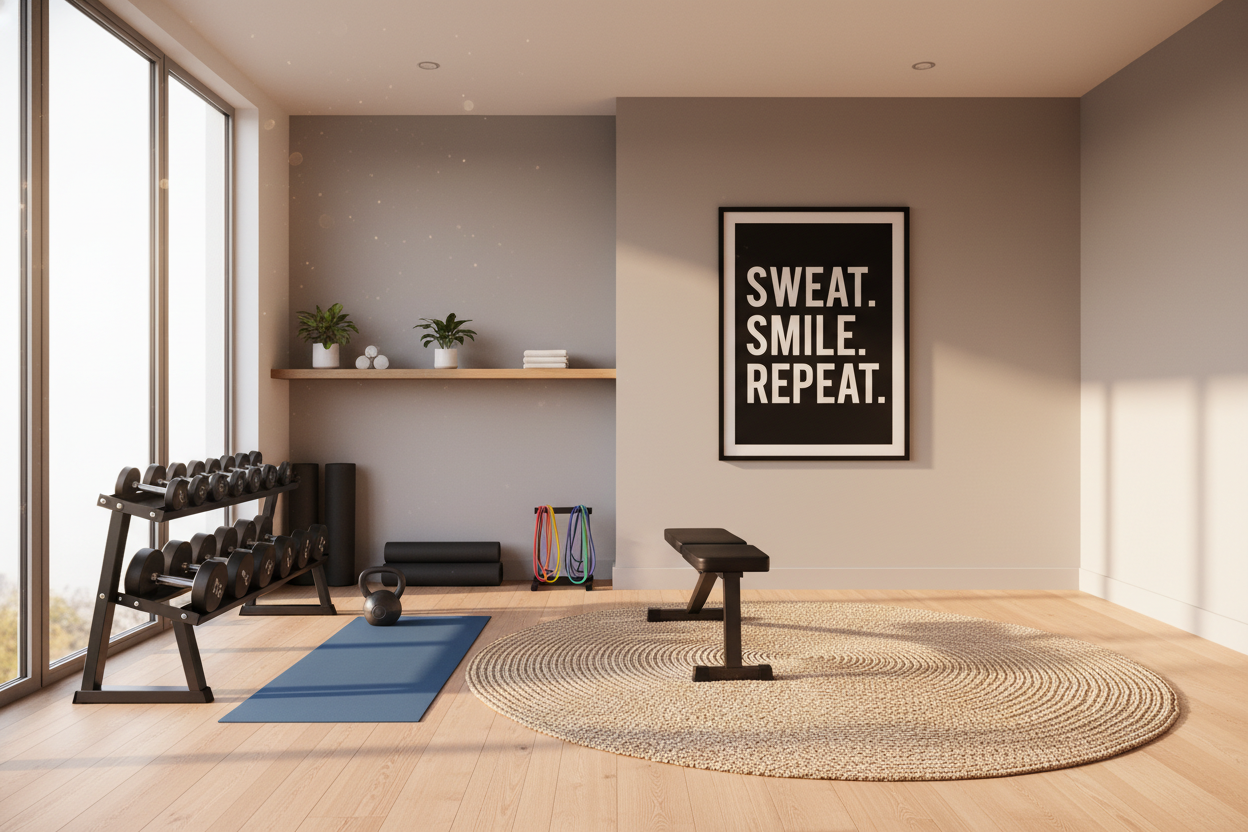
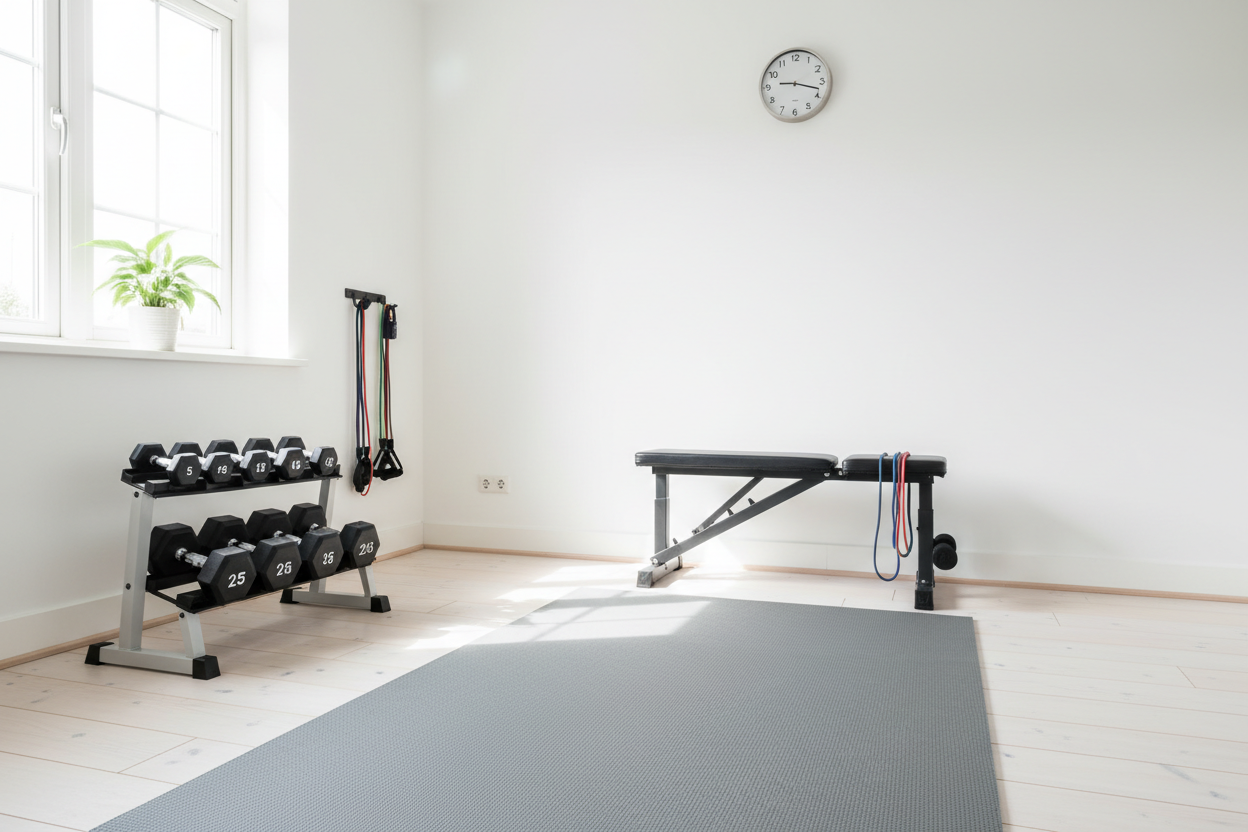
The physical arrangement of your home and fitness space impacts workout quality more than most realize. I initially crammed everything into a 10x10 room, creating a cramped, uninviting environment. After rearranging, I designated zones: a cardio area near the window, a weights section with proper clearance, and a floor work space with the mat permanently laid out. This simple organization made transitions between exercises smoother and the space feel larger.
Mirrors aren't vanity—they're form-checking tools. A full-length mirror positioned where you can observe your technique during lifts prevents injury and improves results. Lighting matters too. I added a bright LED bulb to replace the dim original fixture, and the energy shift was immediate. Good lighting makes early morning or evening workouts more appealing.
Maintenance and Longevity
Quality home fitness tool collections require minimal but consistent maintenance. I wipe down equipment after each use, check bolts monthly, and lubricate moving parts quarterly. This 10-minute routine has kept everything functioning smoothly for two years. Rubber weights and kettlebells need nothing beyond cleaning, while machines with cables or chains need occasional inspection for wear.
Flooring protection extends equipment life and reduces noise. I installed interlocking rubber tiles under my weights area, which cushions dropped weights, protects the floor, and dampens sound. The $150 investment prevented damage to both my equipment and the room itself. For cardio machines, equipment mats prevent vibration transfer and protect flooring from scratches.
Making the Investment Worthwhile
The best new home fitness equipment sits unused if you don't build consistent habits around it. I committed to using my setup four times weekly minimum, tracking workouts in a simple notebook. Seeing progress documented—weights increasing, reps climbing, endurance improving—creates momentum that expensive gym memberships never provided me. The convenience factor can't be overstated: no commute, no waiting for equipment, no operating hour restrictions.
Calculate the break-even point on your investment. My initial $1,800 setup replaced a $60 monthly gym membership. After 30 months, I'm ahead financially while enjoying superior convenience. Even factoring in occasional equipment additions, the economics favor home setups for anyone committed to regular training. The fitness for home approach works when you're honest about your exercise patterns and invest accordingly.
Frequently Asked Questions
How much space do I really need for a functional home gym?
A 6x8 foot area provides enough room for essential equipment like adjustable dumbbells, a bench, and floor exercises. You can build an effective setup in a spare bedroom corner, garage section, or even a large closet. Foldable and wall-mounted options maximize limited spaces.
Should I buy everything at once or build gradually?
Start with versatile basics—adjustable dumbbells, resistance bands, and a mat—then add equipment quarterly based on actual workout needs. This prevents buyer's remorse and ensures each purchase gets used. Most people overestimate what they'll use initially.
Is used equipment safe to buy?
Used weights, benches, and racks are generally safe if you inspect for structural damage, rust, and stability. Avoid used equipment with complex electronics or motors unless recently manufactured and lightly used. Always test items in person before purchasing.