I Turned My Spare Room Into a Complete Home Gym – Here's Everything You Need to Know
Building a home workout station changed my life in ways I didn't expect. After years of gym memberships that went unused half the time, I finally took the plunge and converted my spare bedroom into a functional fitness space. The freedom to work out at 6 AM or 11 PM without worrying about commute times or crowded equipment has been incredible.
The market for gym systems for home has exploded recently, and for good reason. Between work-from-home schedules and the desire for convenience, more people are discovering that an at home workout gym isn't just a luxury—it's a practical investment that pays dividends in consistency and results.
Understanding What Makes a Great Home Gym Setup
When I started researching what is best home gym equipment, I was overwhelmed by the sheer number of options. There are all-in-one cable machines, power racks with attachments, compact folding systems, and smart resistance trainers. Each category serves different needs, and understanding your workout style is the first step.
The beauty of personal home gyms is that they can be customized to your exact preferences. If you're into powerlifting, you'll want a sturdy rack with Olympic barbell capacity. For those focused on bodybuilding or general fitness, a cable-based system with multiple attachment points might be ideal. Cardio enthusiasts might prioritize a quality treadmill or rowing machine over strength equipment.
Space Considerations That Actually Matter
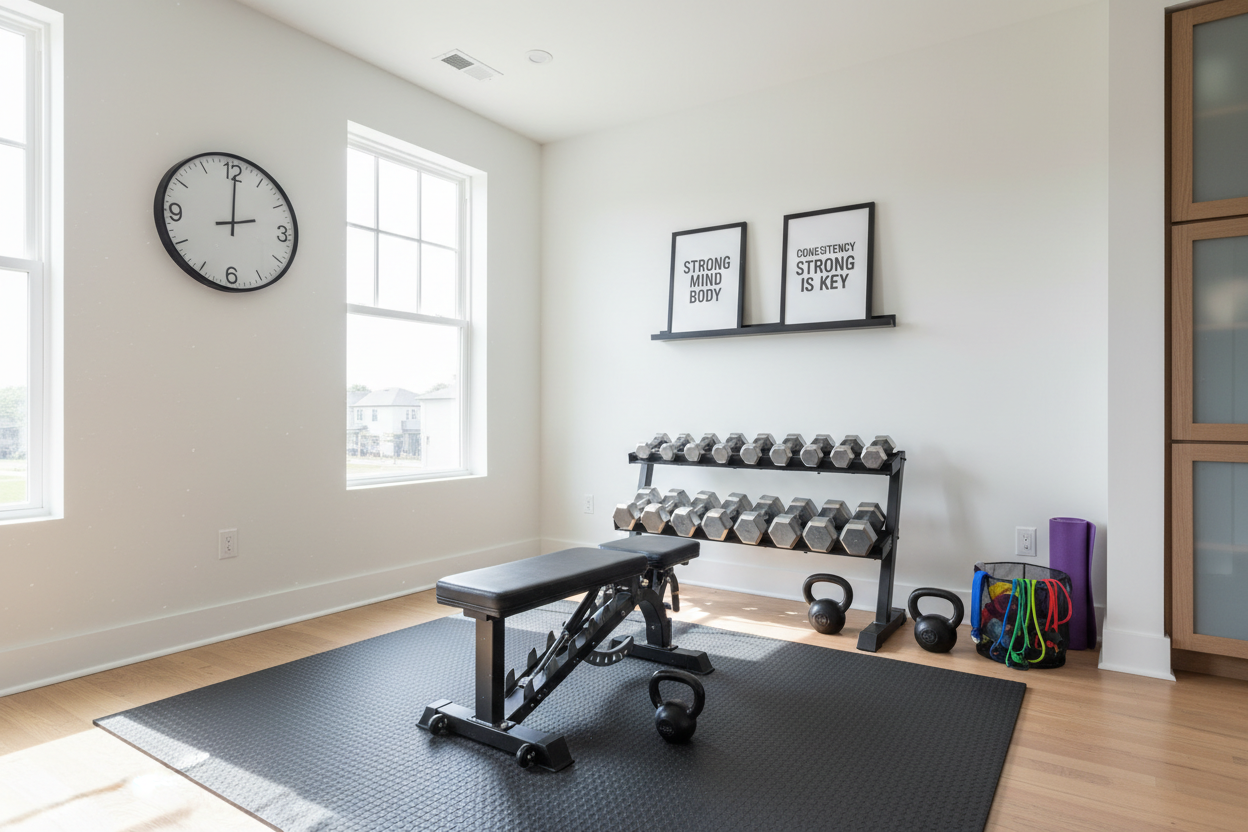
My spare room is roughly 10x12 feet, which I initially thought was too small. Turns out, you can fit a surprisingly comprehensive setup in a compact area if you choose wisely. Wall-mounted fold-away racks, adjustable dumbbells that replace entire sets, and multi-function benches all help maximize limited square footage.
For those with even less space, vertical storage solutions and equipment that serves multiple purposes become essential. A quality adjustable bench can be used for dozens of exercises. Resistance bands take up almost no room but provide genuine training value. The key is thinking creatively about how each piece of equipment will be stored when not in use.
What Are the Best Home Gyms for Different Budgets
Budget is obviously a major factor. Entry-level new home gyms can start around $300-500 for basic setups with resistance bands, a bench, and adjustable dumbbells. Mid-range systems typically fall in the $1,000-2,500 range and include cable machines or power racks with plate storage.
Premium setups can exceed $5,000, featuring commercial-grade equipment, smart technology integration, and comprehensive cable systems with weight stacks. I landed somewhere in the middle, spending about $1,800 on a power rack, Olympic barbell, plates, adjustable bench, and some accessories. Three years later, I haven't needed to add much beyond minor upgrades.
The real question isn't just about initial cost—it's about cost per use. If you're currently paying $50-100 monthly for a gym membership, a $2,000 home setup pays for itself in under two years. After that, you're essentially working out for free while building equity in equipment you own.
Popular Equipment Categories Worth Considering
Power racks dominate the serious strength training space. These sturdy frames allow for safe squatting, bench pressing, and pull-ups. Most models include safety bars that catch the weight if you fail a lift, making them safer than training with free weights alone. I use mine almost daily and consider it the cornerstone of my setup.
All-in-one cable systems appeal to people who want variety without needing multiple machines. Brands like Bowflex and Total Gym offer compact designs that provide dozens of exercise options through pulley systems and adjustable resistance. They're particularly good for beginners who want guided movement patterns.
Smart home gyms represent the newest category. These connected devices use digital resistance, provide form feedback through cameras, and offer streaming classes. While they're convenient and space-efficient, they typically require ongoing subscription fees and may not satisfy serious lifters who want to move heavy iron.
The Equipment I Wish I'd Bought Sooner
Looking back, I wasted time with equipment that seemed like good deals but didn't match my training style. A cheap multi-gym I bought initially felt flimsy and had limited weight capacity. I sold it within six months and upgraded to a proper power rack.
What I should have prioritized from day one: quality over quantity. A solid barbell, a set of bumper plates, and a stable rack will outlast and outperform a dozen cheap gadgets. I also underestimated how much I'd use simple tools like resistance bands, a foam roller, and a good quality jump rope for conditioning work.
Flooring is another area where I initially cut corners. I started with some thin puzzle mats that shifted around constantly. Investing in proper rubber gym flooring made the space feel more professional and protected both my floor and equipment from damage.
Making Your Home Gym Actually Work Long-Term
The difference between a home workout station that gets used and one that becomes an expensive clothes rack often comes down to environment. I added a decent Bluetooth speaker, proper lighting, and a small fan for air circulation. These simple touches made the space somewhere I actually wanted to spend time.
Organization matters more than you'd think. Wall-mounted plate storage keeps weights off the floor. Hooks for resistance bands, jump ropes, and other accessories prevent clutter. A small whiteboard where I track workouts adds accountability and helps me stay focused during training sessions.
Temperature control was something I hadn't considered initially. My spare room gets hot in summer and cold in winter. A small space heater for winter months and the aforementioned fan for summer made year-round training much more comfortable.
Common Mistakes to Avoid
Don't buy equipment based solely on what looks cool in advertisements. I almost purchased an expensive rowing machine because the marketing was compelling, but I realized I genuinely dislike rowing. It would have been a $1,200 dust collector.
Another mistake is neglecting cardio entirely if you enjoy it. While I'm primarily focused on strength training, having a basic option for conditioning—whether that's a jump rope, a heavy bag, or even just space for bodyweight circuits—keeps workouts balanced.
Waiting for the "perfect" setup is perhaps the biggest mistake of all. I delayed starting for months while researching every possible option. In retrospect, I should have started with basics and expanded gradually based on actual use patterns rather than hypothetical workout plans.
Is It Really Worth It?
After three years of consistent training in my home gym, I can't imagine going back to a commercial facility. The convenience factor alone justifies the investment. No commute, no waiting for equipment, no gym politics or unwanted advice from strangers.
The financial math works too. My total investment of roughly $2,000 has replaced what would have been over $4,000 in gym membership fees by now. The equipment retains decent resale value if I ever needed to recoup costs, though I have no plans to sell.
Beyond money and convenience, there's something satisfying about building a space that's entirely yours. Every piece of equipment was chosen intentionally. The environment is optimized for how I like to train. It's a personal sanctuary where I can focus entirely on getting stronger without distractions.