I Tried 8 Apps to Find the Best Online Workout Plan
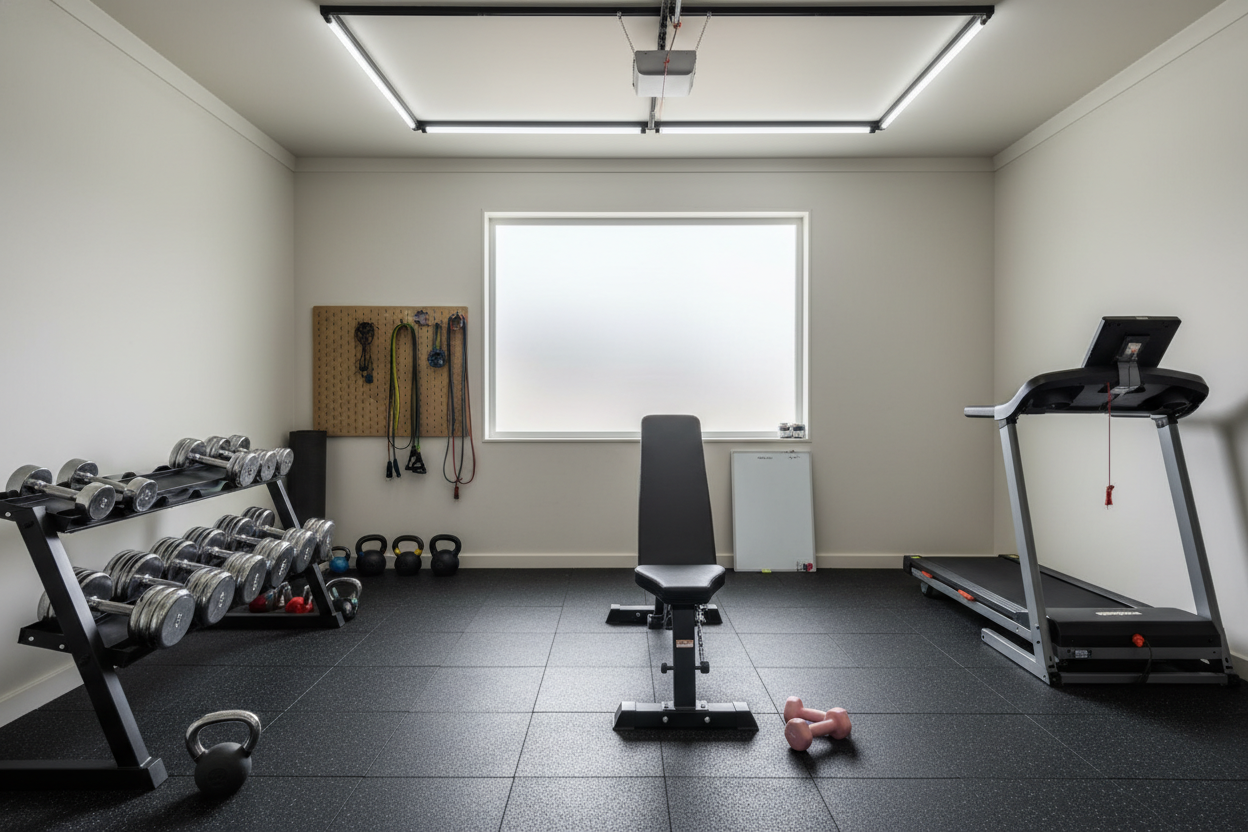
I stood in my garage last November, staring at a 45-lb barbell and feeling absolutely zero motivation. My numbers had stalled, my joints felt like they were filled with gravel, and I was bored out of my mind. I did what any desperate lifter does: I went on an App Store bender. I spent nearly $200 in a single afternoon on subscriptions, hunting for the best online workout plan that didn't feel like a chore.
After two months of testing everything from high-budget studio productions to gritty powerlifting spreadsheets, I realized that most digital fitness is just window dressing. I’ve sweated through the 'burns' and the 'blasts,' and I’ve come out the other side with a very specific set of rules for what actually builds a better body in a garage gym environment.
Quick Takeaways
- Avoid 'Workout of the Day' models if you want to actually get stronger; they lack progressive overload.
- The best plans usually look boring on paper—repetition is where the magic happens.
- If an app doesn't allow you to log your specific weights and reps, it's just a video, not a program.
- You don't need a $40/month subscription when a $20 one-time PDF often provides better logic.
The 'Digital Fitness' Trap I Fell For
It is incredibly easy to get seduced by the marketing of the top online workout programs. They feature coaches with perfect lighting, 4K camera angles, and high-energy soundtracks that make you feel like you’re part of something massive. I fell for it. I signed up for a '6-week shred' that promised to revolutionize my training. By week three, I realized I was just doing random, exhausting circuits that left me gasping for air but didn't actually challenge my muscular strength.
This is the trap: confusing fatigue with progress. I was tired, sure. My heart rate was 165 BPM for forty minutes. But my bench press wasn't moving, and my squat felt shaky. Most best online workout programs are designed to keep you 'engaged' so you don't cancel your subscription, rather than following a periodized model that forces your body to adapt. If you are just chasing a sweat, you're exercising, not training. There is a massive difference between the two when you're working out at home alone.
Why Most Fitness Video Programs Get It Completely Wrong
The problem with the majority of best fitness video programs is the 'follow-along' nature. When you are watching a screen and trying to keep pace with an instructor who is doing 50 burpees, you lose focus on form and tempo. You’re just trying to survive the clock. Real training requires you to own the movement, not just mimic it. I found that the best video exercise programs are the ones that use video for demonstration, then get out of your way so you can put in the work.
I’m not saying all cardio-heavy routines are bad. For instance, if I’m short on time and just need to move, a structured Tabata and Pilates workout can be a solid way to maintain conditioning without needing a full rack. But that serves a specific purpose—metabolic health. It shouldn't be the foundation of your strength. Too many people treat these high-intensity best online workout videos as their primary source of training, and they wonder why they look exactly the same six months later despite 'working hard' every morning.
My Criteria for the Best Online Training Program
After wasting a lot of money, I developed a checklist. First, the best online training program must have trackable metrics. If I can't see what I lifted last week within the interface, the app is a failure. You need to know that you're doing 5 lbs more or one rep more than last time. Second, it needs structured rest. If a program encourages you to 'grind' seven days a week, the programmer doesn't understand biology. Your muscles grow while you sleep, not while you're doing mountain climbers at 6:00 AM.
When searching for the best online strength training programs, look for 'blocks.' A good program will have a hypertrophy block, a strength block, and maybe a deload week. This structure is what separates a professional plan from a random collection of movements. I also look for scalability. Can I swap a barbell movement for a dumbbell movement if my rack is occupied? A rigid program is a broken program in a home gym setting. The best online weight training programs acknowledge that your equipment might be limited and provide 'A' and 'B' options for most lifts.
Do You Need to Pay Premium Prices?
I’ve tested apps that cost $45 a month and PDFs that cost $15 once. Interestingly, the $15 PDF often wins. Why? Because the developer spent their time on the science of the lift rather than the UI of an app. You can find incredibly affordable workout programs from reputable strength coaches that provide a year's worth of programming for the cost of one month of a 'premium' subscription. Don't let a slick interface fool you into thinking the training logic is superior. Often, the 'influencer' apps are just recycled templates with a fresh coat of paint and a higher price tag.
Setting Up Your Space for Digital Coaching
Before you commit to a long-term plan, you have to ensure your environment doesn't suck. I learned this the hard way when I tried to do a high-intensity jump squat routine on bare garage concrete. My knees were screaming within two days. I eventually invested in the best large exercise mat I could find, and the difference in joint impact was night and day. If you're going to be following best online workout videos that involve floor work or plyometrics, don't skimp on the flooring.
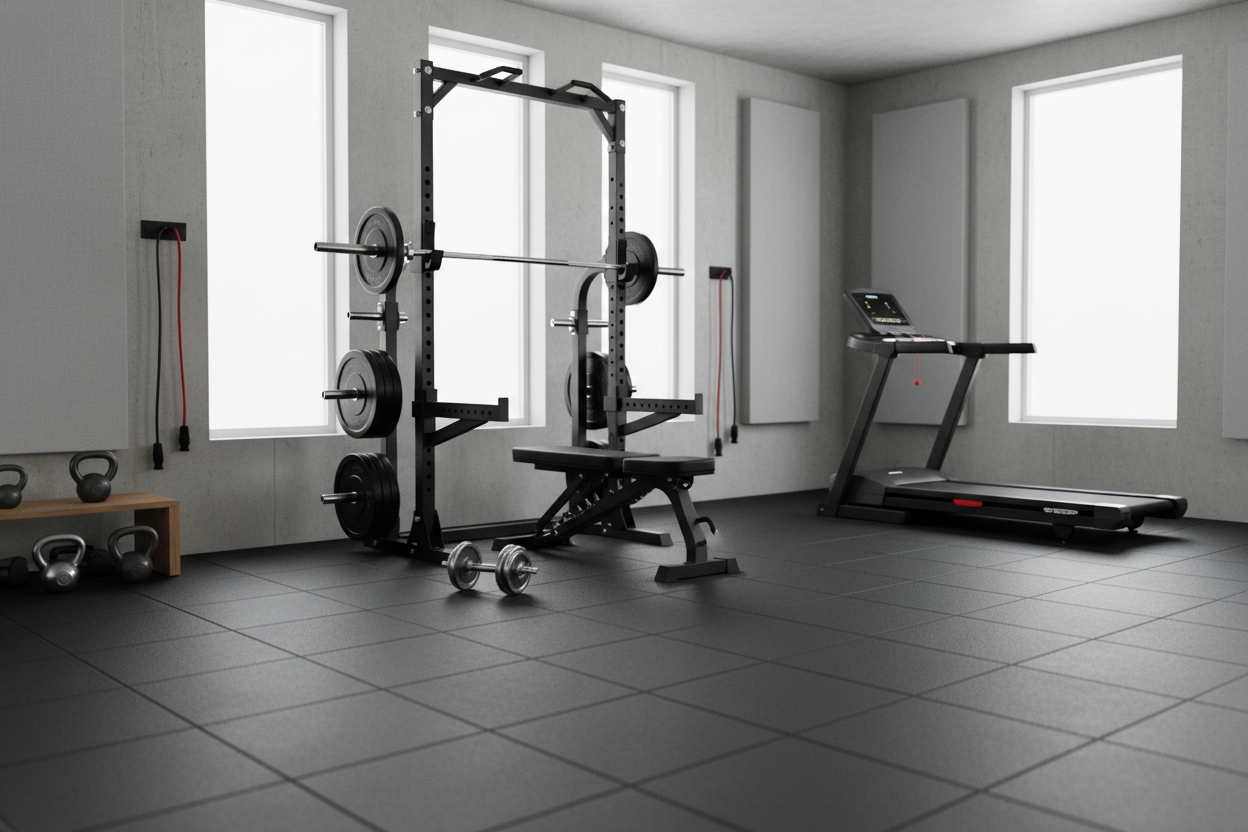
As you move through the best online weight training programs, you'll eventually hit a ceiling with basic dumbbells. I started with a 50-lb set, but within four months of a proper program, I was outgrowing them for rows and presses. At that point, you have to decide if you want to keep buying individual weights or look into the best weight training machines for a more permanent home setup. A functional trainer or a sturdy power rack is usually the next logical step once you realize that your 'online plan' is actually working and you need more resistance to keep the progress coming.
The Verdict: What Actually Worked in My Garage
My biggest mistake was thinking that more variety meant better results. I was jumping from app to app, trying every best workout video program that popped up in my feed. I was a 'program hopper.' Once I settled on a structured, slightly boring, four-day-a-week strength split, my body actually started changing. I stopped looking for the 'fun' workout and started looking for the 'effective' one.
If you want the best online workout plan, look for one that focuses on the big movements: squats, hinges, pushes, and pulls. Ditch the apps that feature coaches doing backflips and stay focused on the ones that talk about RPE (Rate of Perceived Exertion) and percentage-based training. It might not be as flashy for your Instagram story, but your PRs will thank you. Training is a marathon, not a 20-minute 'blast' designed to sell you protein powder.
FAQ
Is a paid app better than YouTube?
Usually, yes. While YouTube has great individual workouts, it lacks the cohesive structure and progress tracking that a dedicated program provides. You're paying for the organization, not just the video content.
Can I get strong with just bodyweight online programs?
To a point. You can build incredible stability and some muscle, but eventually, you need external resistance (weights) to continue the 'progressive overload' necessary for significant strength gains.
How long should I stay on one program?
At least 8 to 12 weeks. Your body needs time to adapt to the movements. Switching every two weeks is the fastest way to stay exactly where you are right now.