I Traded My Rack for Multi Station Workout Equipment
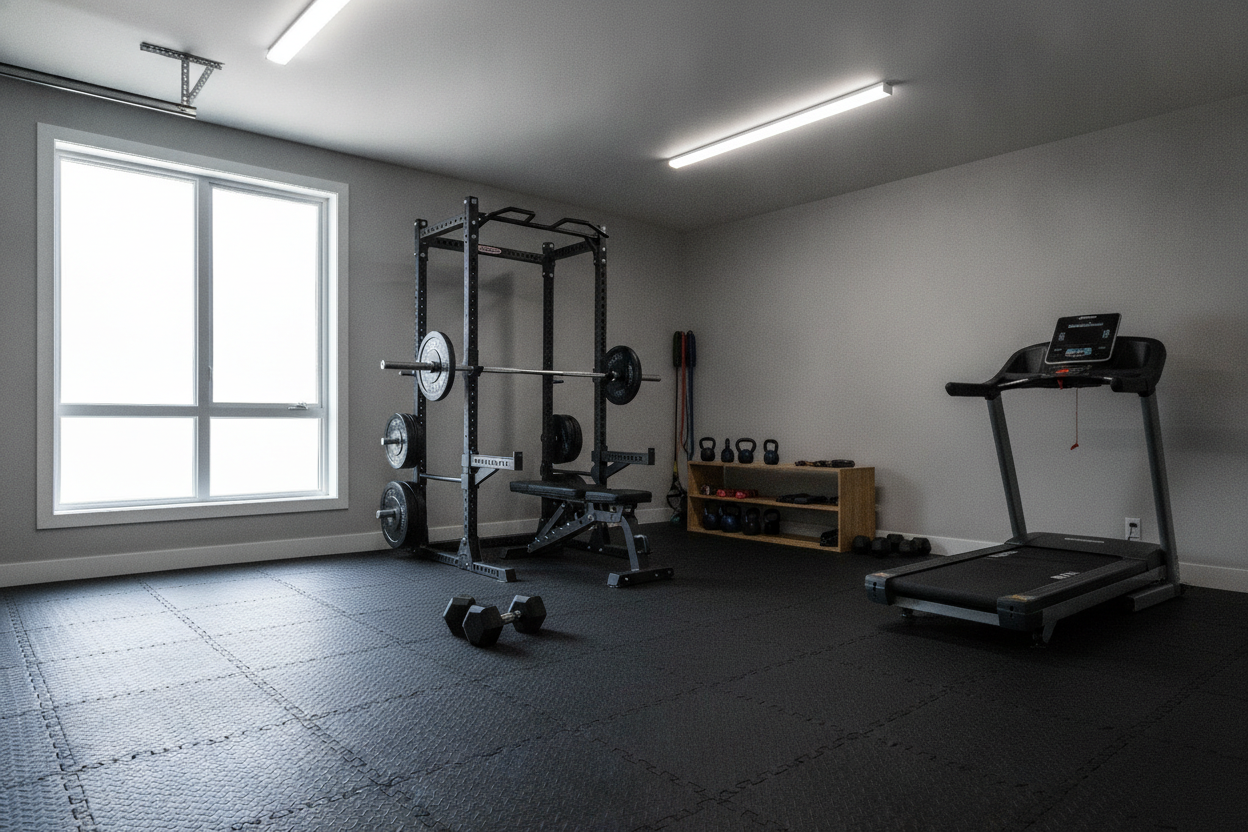
My garage gym was a death trap. I had a power rack, a standalone functional trainer, and a plate tree that seemed to trip me every time I did lunges. I finally hit a breaking point and decided to pull the trigger on multi station workout equipment to see if I could actually reclaim some floor space without ruining my gains.
Quick Takeaways
- Expect a massive footprint: The machine is bigger than the specs suggest once you add plate loading room.
- Cable work is superior: Having dual pulleys and a lat pulldown in one spot is a luxury.
- Heavy squats feel 'off': The J-cups often have more wobble than a dedicated power rack.
- Flooring is non-negotiable: You need heavy-duty rubber to support the concentrated weight.
The All-In-One Promise (And Why I Bought In)
The dream is simple: one machine to rule them all. I was tired of the 'gym shuffle'—moving my bench from the rack to the cable machine just to do chest flies. A multifunctional home gym station promises to end that dance. I wanted a setup where I could go from heavy back squats to face pulls in ten seconds.
Most people buy these because they see a clean, organized space in the marketing photos. I bought in because I was tired of my garage looking like a scrap yard. I wanted the versatility of a commercial gym in a 200-square-foot box.
How Much Floor Space Do You Actually Save?
Here is the truth: these machines are massive. The box might say it has a 4x6 foot footprint, but that is a lie. You need at least two feet of clearance on both sides just to slide plates onto the storage pegs. If you do not account for the swing of the pulley arms, you will be smashing your knuckles against the drywall.
I have spent a lot of time measuring my layout to see if a multi-station gym for home is it actually worth the space. In my experience, you save space on the 'dead zones' between separate machines, but the machine itself becomes the permanent centerpiece of the room. You aren't moving this thing once it is bolted together.
The Good: Cable Work Without the Clutter
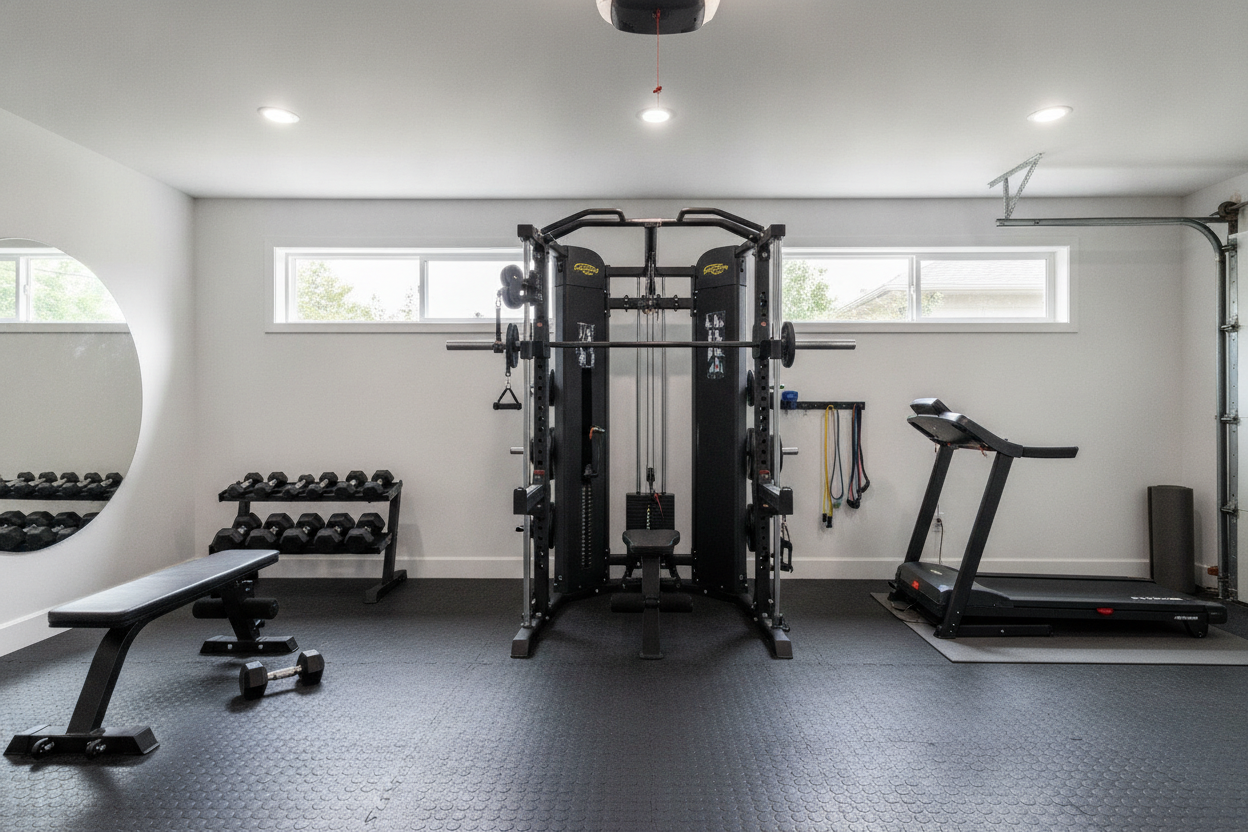
The real win with a multi function workout station is the cable system. Most of these units come with a 2:1 ratio, which is perfect for functional movements. Having a dedicated lat pulldown and low row station built into the frame changed my back days. No more janky pulley attachments hanging from my pull-up bar.
The movement is surprisingly smooth on high-end units with aluminum pulleys. I found myself doing more accessory work—things like cable lateral raises and tricep pushdowns—simply because the setup was already there. It removes the friction of training.
The Bad: Compromising on Heavy Barbell Lifts
If you are a powerlifter, here is the reality check. A multi purpose home gym equipment setup rarely feels as stable as a 3x3-inch steel power rack. When I was re-racking 315 pounds, the whole unit had a slight shimmy that never happened with my old Rogue bolt-down rack. The J-cups also tend to be shorter, which can be nerve-wracking during a heavy squat set.
Then there is the Smith machine. While it is great for calf raises or shrugs, it often gets in the way of the free-weight barbell path. When weighing if a home multi station gym is it actually worth the investment, you have to decide if you can live with those small mechanical compromises for the sake of variety.
Protecting Your Foundation Underneath
A multi purpose home gym machine is a literal ton of steel. Between the frame, the dual 200-pound weight stacks, and the plates you store on the back, you are looking at nearly 1,000 pounds concentrated on four or six small feet. Standard foam puzzle mats will be crushed into pancakes within forty-eight hours.
I learned this the hard way and had to disassemble half the unit to fix my flooring. I eventually laid down a 6X8Ft Exercise Mat Yoga Mat Gym Flooring. You need high-density rubber that can distribute that load without indenting your concrete or subfloor. Do not cheap out here; your foundation is literally at stake.
Final Verdict: Should You Make the Swap?
So, should you ditch the rack? If you are a bodybuilder or someone who loves high-volume accessory work, a multi home gym station is a no-brainer. It makes your workouts faster and more varied. However, if your primary goal is a 600-pound deadlift, you will probably miss the ruggedness of a traditional rack.
For most of us, the convenience of having every tool in one spot outweighs the slight wobble during a heavy set. If you are ready to pull the trigger, keep an eye on these Home Gym Equipment Deals to save a few hundred bucks on shipping. Investing in quality multi gym gym equipment is expensive upfront, but it beats paying a monthly membership to a gym you hate driving to.
FAQ
Do I need to bolt a multi-station gym to the floor?
Most units with dual weight stacks are heavy enough to stay put without bolts. However, if the machine has a pull-up bar that extends far out, bolting it down prevents the frame from tipping during kipping movements.
Can I use my own barbell with these machines?
Usually, yes. Most are designed to fit a standard 7-foot Olympic barbell. Just check the internal width of the rack to ensure your bar's sleeves actually clear the J-cups.
Are the weight stacks enough for heavy lifters?
A 200-pound stack with a 2:1 ratio feels like 100 pounds of resistance. If you are a beast at cable rows, look for a unit that offers weight stack upgrades or has plate-loaded horns for extra resistance.