I Traded Heavy Lifts for an Isometric Exercise PDF
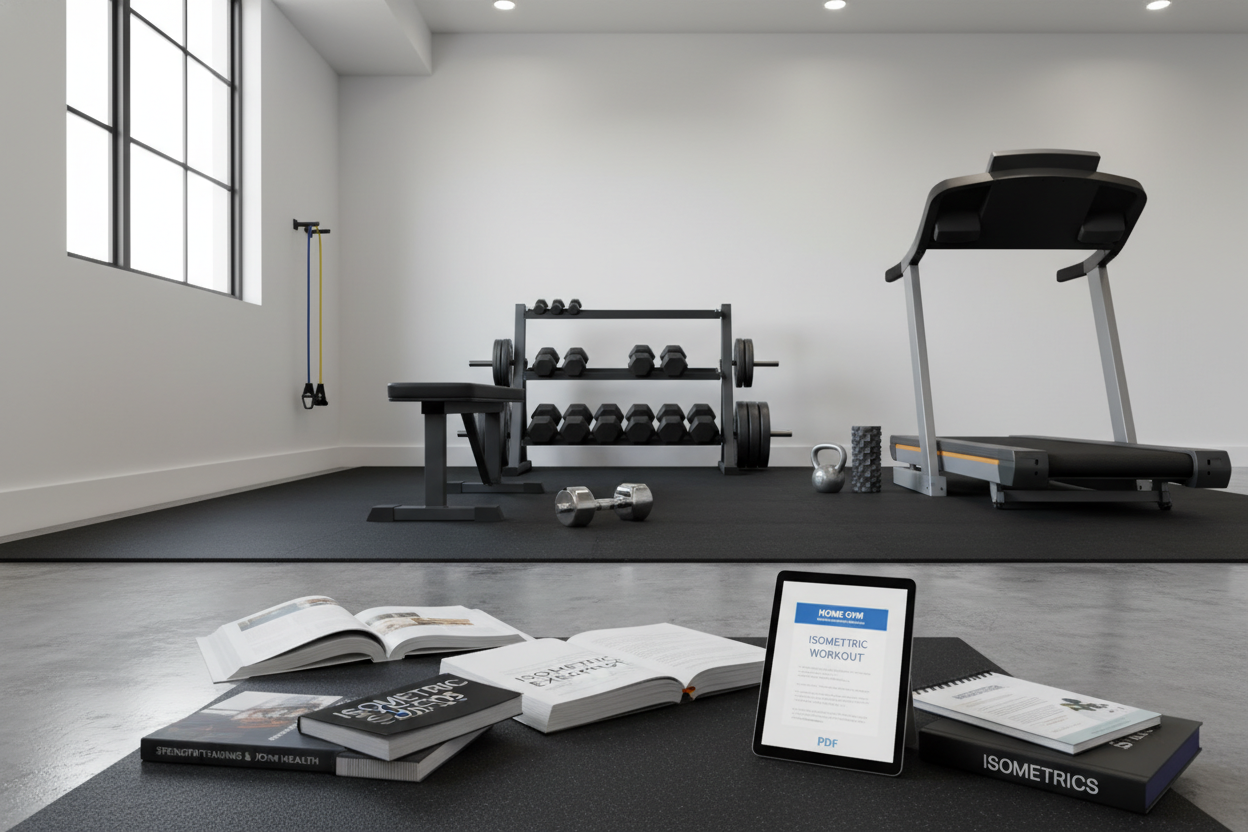
I spent three weeks barely able to walk down my basement stairs. My knees felt like they were being poked with hot needles every time I hit depth on a squat, and the thought of loading a barbell made my elbows throb. I had a choice: sit on the couch and watch my hard-earned muscle atrophy, or find a way to train around the pain. I chose the latter and started hunting for a legit isometric exercise pdf that wasn't designed for a nursing home.
Quick Takeaways
- Overcoming isometrics (pushing an immovable object) build more raw strength than yielding isometrics (holding a weight).
- Most free downloads lack intensity; you need 90-100% effort to see real neurological gains.
- Isometrics are a secret weapon for tendon health and joint-friendly hypertrophy.
- You can get a pro-level workout with just a power rack, a towel, and a solid floor mat.
The Day My Knees Said 'No More' to Heavy Squats
The 405-lb squat used to be my bread and butter. But last Tuesday, as I hit the hole, I heard a sound like dry autumn leaves crunching in my left knee. It wasn't a snap, but it was a loud enough 'no' from my body that I racked the bar and sat on my bench for twenty minutes. I’ve spent years in my garage gym, testing every piece of 11-gauge steel I could get my hands on, but no amount of expensive equipment can fix inflamed tendons.
I started looking into an isometric training pdf because I remembered reading about how old-school strongmen like Alexander Zass used them to build freaky strength in prison. The idea is simple: you apply maximum force against something that won't move. No joint movement means no joint friction. I was skeptical. I thought isometrics were just for rehab or people who like doing planks for five minutes. But when you’re desperate to stay under the iron, you’ll try anything.
I spent the next week diving into the research. It turns out, you can actually recruit more motor units during a maximal isometric contraction than you can during a standard eccentric or concentric lift. I wasn't just maintaining; I was potentially finding a way to get stronger while my joints finally got a break from the constant pounding of the iron.
Why Most Static Hold Downloads Are Complete Garbage
If you search for an isometric exercises pdf free download, you’re going to find a lot of trash. Most of them are five-page documents filled with grainy photos of people doing wall sits, bird-dogs, and maybe a plank if they’re feeling spicy. These are fine for physical therapy, but they won't help you maintain a 300-lb bench press. They lack the one thing that makes muscle grow: intensity.
The problem with the average download is the lack of progression. Most people get bored after three days because there’s no way to track if you’re actually getting better. You just hold a position until you’re bored or your muscles burn slightly. This is exactly why lifters abandon every free workout plan PDF they find online. Without a way to measure force or increase the difficulty, your brain checks out.
A real isometric program needs to treat the hold like a heavy set of five. You shouldn't be holding these moves for minutes; you should be fighting for your life for six to ten seconds. If the PDF doesn't explain how to create internal tension or how to use a power rack to create an immovable resistance, it’s not worth the storage space on your phone.
Overcoming vs. Yielding: The Secret to Static Strength
When you open an isometrics pdf that actually knows what it's talking about, it will immediately distinguish between 'yielding' and 'overcoming' holds. This is the difference between mediocre results and a physique that looks like it was carved out of granite. Yielding isometrics are what most people know—holding a weight in a fixed position. Think of a pause squat or holding a dumbbell halfway through a curl. You are resisting gravity.
Overcoming isometrics are the real heavy hitters. This is where you push or pull against something that physically cannot move. Imagine setting the pins in your power rack just above chest height, lying on the bench, and trying to press the bar through those pins. The bar won't move, but your nervous system is firing at 100% capacity. This creates a massive amount of tension without the wear and tear of the weight moving through a range of motion.
I found that combining both is the sweet spot. I use overcoming isometrics to build the 'top-end' neurological strength and yielding isometrics to build time under tension for hypertrophy. By alternating these, you get the best of both worlds. You’re hitting the tendons with the heavy 'pushes' and the muscle bellies with the 'holds.' This is the nuance that most generic fitness influencers miss when they talk about static training.
Building a Full Body Routine That Actually Makes You Sweat
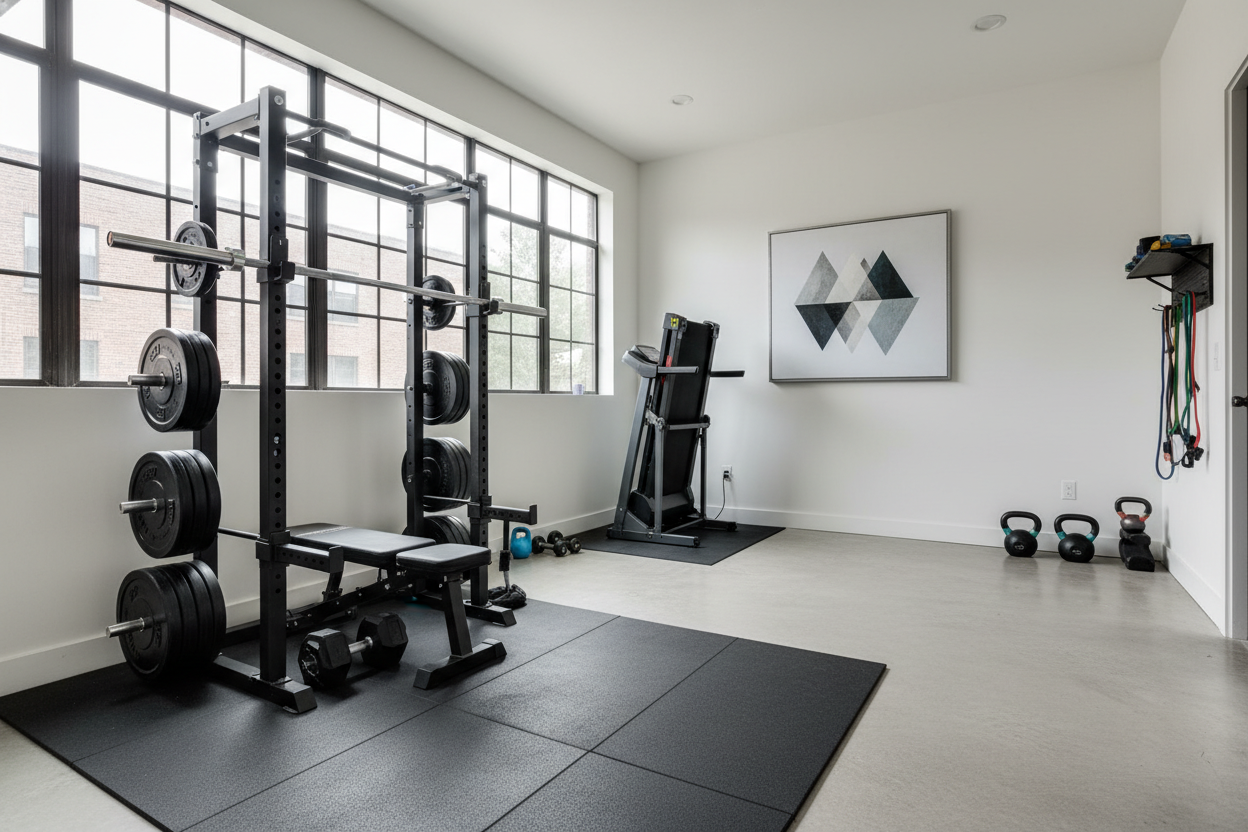
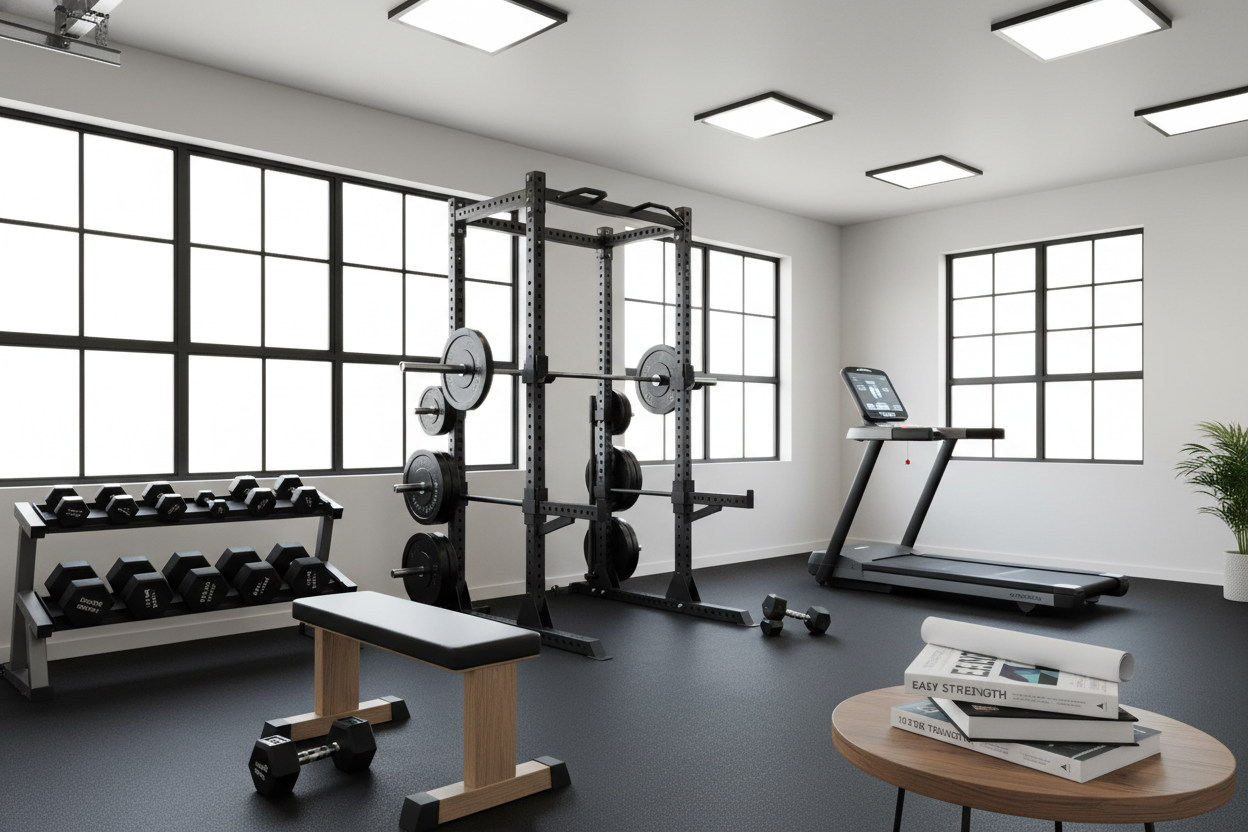
To build a full body isometric workout routine pdf that doesn't suck, you need to target the big movers: chest, back, and legs. My setup is simple. I use my power rack for the 'overcoming' work and a thick gym flooring mat for the 'yielding' and floor-based work. If you don't have a rack, you can use a heavy-duty nylon towel or even a doorway.
For the chest, I do a mid-range overcoming press against the rack pins. For the back, I take a towel, stand on it, and try to row it with everything I've got. For legs, the split squat hold is king. I drop into a deep lunge on my mat and hold it for 45 seconds. By the 30-second mark, my quads are shaking more than they ever did during a set of 12 squats. The mat is crucial here; if your knee touches the floor, you want a bit of cushion so you aren't bruising your patella on the concrete.
I structure the session into three blocks. Block A is the 'Power' block with 6-second maximal overcoming efforts. Block B is the 'Hypertrophy' block with 30-45 second yielding holds. Block C is the 'Core' block, focusing on hollow body holds and side planks. It takes about 30 minutes, and I leave the gym feeling 'tight' and strong, rather than drained and achy. It’s a completely different sensation than a traditional lifting session, but the pump is undeniably real.
Are These Safe? A Note on Blood Pressure and Aging Lifters
One thing an isometric exercises for seniors pdf must address is the Valsalva maneuver. When you push against an immovable object with 100% effort, your natural instinct is to hold your breath and create massive internal pressure. While this is great for spine stability during a deadlift, it can cause blood pressure to spike dangerously high during long static holds. For the older lifter, this is the main risk factor.
The trick is to 'breathe behind the shield.' You want to keep your core braced and tight, but you need to take short, shallow breaths through your nose or pursed lips. This keeps the pressure from building up in your head while maintaining the tension in your muscles. I’ve found that by focusing on my breathing, I can maintain a higher level of intensity for longer without feeling like my eyes are going to pop out of my head.
Isometrics are actually safer for seniors than almost any other form of resistance training because there is no momentum. You can’t 'drop' the weight on yourself, and you can’t get stuck at the bottom of a rep. You simply stop pushing. This makes it an incredible tool for maintaining bone density and muscle mass well into your 60s and 70s without the risk of an acute joint injury.
How to Program This Into Your Normal Gym Week
You don't have to delete your barbell movements forever. Once my knees started feeling human again, I didn't throw my isometric workout pdf in the trash. Instead, I integrated it. I now use overcoming isometrics as a 'potentiation' tool. Before I bench press, I’ll do one 6-second maximal push against the pins. This wakes up the nervous system and makes the actual weight feel lighter when I start my working sets.
You can also use these as finishers. After a set of pull-ups, try holding the top position for as long as possible. The metabolic stress is insane. If you're looking for more ways to modularize your training, check out our main workout hub where we break down how to slot different styles of training into a cohesive week. I usually run two days of pure isometrics for joint recovery and three days of traditional lifting.
My joints have never felt better, and my strength hasn't dipped an inch. In fact, my sticking points on the big lifts have actually improved because I can target those specific angles with overcoming holds. It’s not about replacing the barbell; it’s about having a smarter toolbox for when the barbell starts to bite back.
FAQ
Do isometric exercises actually build muscle?
Yes. While they are often associated with strength, the high level of tension and metabolic stress (the 'burn') can trigger hypertrophy, especially when using yielding holds of 30 seconds or more.
How many times a week should I do an isometric routine?
Because they are taxing on the central nervous system, 2-3 times a week is plenty if you are giving 100% effort. If you’re using them for rehab at lower intensities, you can do them daily.
Do I need a power rack for overcoming isometrics?
It’s the gold standard, but you can use a doorway for chest/shoulders or a heavy-duty towel for rows and curls. Anything that won't break when you apply maximum force will work.