I Tracked My Meals for 90 Days to See How Build Muscle Faster
I spent three years grinding in my garage, moving heavy iron and drinking enough protein shakes to float a boat, yet my physique barely budged. I was strong, sure, but I wasn't growing. I finally got fed up with the 'plateau' and decided to treat my body like a data set. I wanted to know exactly how build muscle faster without just turning into a bloated version of myself.
I stopped guessing and started logging every single gram of rice and every single rep on the bar into a spreadsheet. The results over 90 days weren't just about the scale moving; they were about understanding the math behind hypertrophy. If you are tired of spinning your wheels, here is what I learned from three months of relentless tracking.
Quick Takeaways
- Consistency in caloric surplus is more important than the size of the surplus.
- Tracking revealed I was under-eating by 400 calories on heavy training days.
- Mechanical tension beats chasing a 'pump' every single time.
- Sleep and joint health are the literal foundation of new tissue.
The 90-Day Experiment: Why I Stopped Guessing My Macros
The quick way to gain muscle mass isn't finding a secret Russian program or a 'magic' supplement. It’s finally treating your kitchen habits with the same relentless discipline as your barbell math. I realized I was a 'hard gainer' only because I was an inconsistent eater. Some days I’d hit 3,500 calories; others, I’d get busy and barely scrape 2,200.
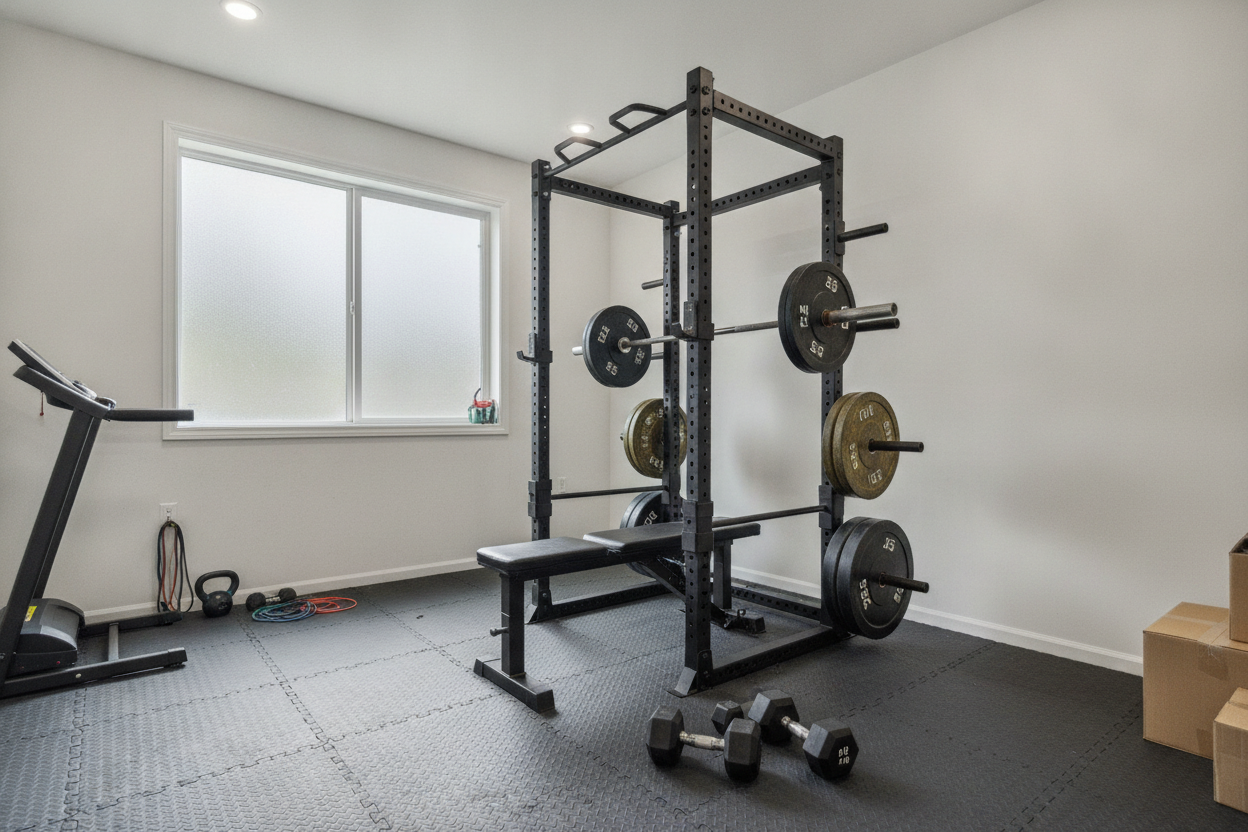
By tracking for 90 days, I forced myself to see the gaps. You wouldn't walk into a power rack and just guess what’s on the bar, so why do we do that with our fuel? Aligning your daily macronutrient targets with your workout intensity is the true missing link. When the data is right in front of you, you can't lie to yourself about why your sleeves aren't getting tighter.
The Calories-In Reality Check
Putting on muscle mass quickly requires a caloric surplus, but most people overdo the 'dirty bulk' and just get soft. I aimed for a modest 300-calorie surplus. However, my spreadsheet revealed a massive flaw: I was burning way more than I thought on heavy leg days. Those 405-lb squats were draining me, and because I wasn't adjusting my intake, I was actually in a deficit on my most important growth days.
This bottlenecked my recovery. Once I started adding an extra carb-heavy meal on lower-body days, my strength skyrocketed. You have to feed the machine based on the work it’s doing that specific day. If you want to put on muscle fast, you need to be a sniper with your nutrition, not a shotgun.
Lifting for Growth: Tension Over Total Exhaustion
I used to think that if I wasn't crawling out of the gym, I hadn't worked hard enough. The data showed otherwise. The fastest way to grow muscle is maximizing mechanical tension—forcing the muscle to produce force through a full range of motion. I stopped doing 'junk volume' and focused on high-quality sets where the last two reps were a genuine struggle but maintained perfect form.
I experimented with different tools during these 90 days. I found that while cables are great for isolation, the raw load of a barbell is hard to beat for total systemic stress. If you're curious about how to balance your toolset, check out this breakdown on Free Weights vs Machines: How to Gain Muscle Mass Faster. It mirrors exactly what I saw: machines are for refining, but heavy compounds are for building the foundation.
Stripping Away the Excuses (And the Equipment)
A lot of guys think they can't mass gain fast because they don't have a $5,000 functional trainer. That’s nonsense. During month two, I actually had to train in a stripped-back environment while my floor was being resurfaced. I learned that the fastest way to put on muscle is simply about intensity and progressive overload, regardless of the fancy tags on your gear.
I even spent two weeks doing floor-based presses and heavy lunges with a pair of 50-lb dumbbells. You can absolutely trigger hypertrophy with minimal gear if you know how to manipulate tempo and rest periods. I actually wrote about how I Sold My Bench: How to Exercise Gain Muscle Mass on the Floor because it taught me so much about chest activation without the safety net of a standard bench. Don't let a lack of gear be your excuse for being small.
Recovery Tracking: The Unsexy Secret to Size
You don't grow in the garage; you grow in your sleep. My tracking showed a direct correlation between 8 hours of sleep and my ability to add 5 lbs to the bar the next session. When I dipped to 6 hours, my performance cratered. This is the fastest way gain muscle: manage your central nervous system so you can keep training hard.
I also started prioritizing joint health. Pounding your joints on bare concrete is a recipe for tendonitis, which stops growth dead in its tracks. I laid down some Gxmmat New Upgraded Exercise Mats to create a dedicated mobility and recovery zone. Having a soft, 7x10 foot space to stretch and do active recovery made a massive difference in my knee and lower back health. If you're in pain, you aren't growing.
FAQ
How much protein do I actually need?
Aim for 0.8 to 1 gram per pound of body weight. Going over that doesn't hurt, but it usually doesn't speed up growth significantly. Focus on getting those calories from whole foods rather than just powders.
Can I build muscle while losing fat?
It’s possible for beginners or those returning from a long break, but for most, it's inefficient. Pick a goal. If you want to grow, eat in a surplus. If you want to get shredded, eat in a deficit. Trying to do both usually results in neither.
How many days a week should I train?
For most people, 4 to 5 days is the sweet spot. You need those off days for your muscle tissue to actually repair. If you're training 7 days a week, you're likely not training hard enough on any of them.