I Tested the Most Popular Exercise Equipment (And Kept Almost Nothing)
I recently spent a weekend unboxing a mountain of boxes that had been piling up in my driveway. I decided to put my skepticism aside and buy the most popular exercise equipment currently dominating the sales charts. My garage looked like a cardboard graveyard, and by Sunday night, I was scheduling returns for about 90% of it. Most of what people call 'essential' is actually just clever marketing wrapped in thin-gauge steel.
- Popularity is often a proxy for low price, not high performance.
- Weight capacities on budget gear are frequently exaggerated and dangerous.
- Single-use gadgets are the fastest way to clutter a home gym.
- Real durability comes from simple designs and heavy materials.
The Bestseller Trap: Why High Ratings Do Not Mean High Quality
Amazon's 'Choice' or a 'Best Seller' badge isn't a seal of approval from a master blacksmith. It’s a badge of logistics. Most people buying a folding exercise bike or a plastic ab roller leave a five-star review the day it arrives because it looks like the picture and the shipping was fast. They haven't actually put 500 hours of sweat into the machine yet.
When you look at the most popular workout equipment, you’re seeing items designed to fit in a shipping container, not items designed to survive a decade of heavy lifting. These companies know that most home gym gear ends up as a clothes rack within three months. They build for the 'unboxing experience,' not the long-term grind. If the steel is thin enough to dent with a hammer, it’s not going to hold up when you’re pushing for a PR.
Putting the Most Popular Workout Equipment to the Test
I unboxed the top three best-selling fitness items: a 'heavy-duty' folding bench, a set of budget adjustable dumbbells, and a door-frame pull-up bar. The bench, which claimed a 600-lb capacity, groaned when I sat down with just a pair of 50s. The gap between the seat and the backrest was so wide it felt like I was falling into a canyon during chest presses. It’s a recurring theme in the industry; I saw the same corners being cut when testing heavily marketed women's gear where aesthetic colors usually hide structural weaknesses.
The dumbbells were even worse. The locking mechanism was made of cheap plastic that felt like it would shatter if I dared to set them down firmly. This is the danger of buying based on a trend. These products are built to a price point, not a standard. When you’re under a heavy load, the last thing you want to worry about is whether a $1.50 plastic dial is going to keep 50 lbs of iron from hitting your face.
Stop Wasting Your Garage Space on Single-Use Junk
Your floor space is the most valuable currency in your home gym. Every time you buy a 'core coaster' or a dedicated stretching machine, you’re paying a tax on your movement. These gadgets do one thing poorly, whereas a set of rings or a kettlebell does a hundred things well. You should be hunting for the most versatile exercise equipment that earns its footprint every single day.
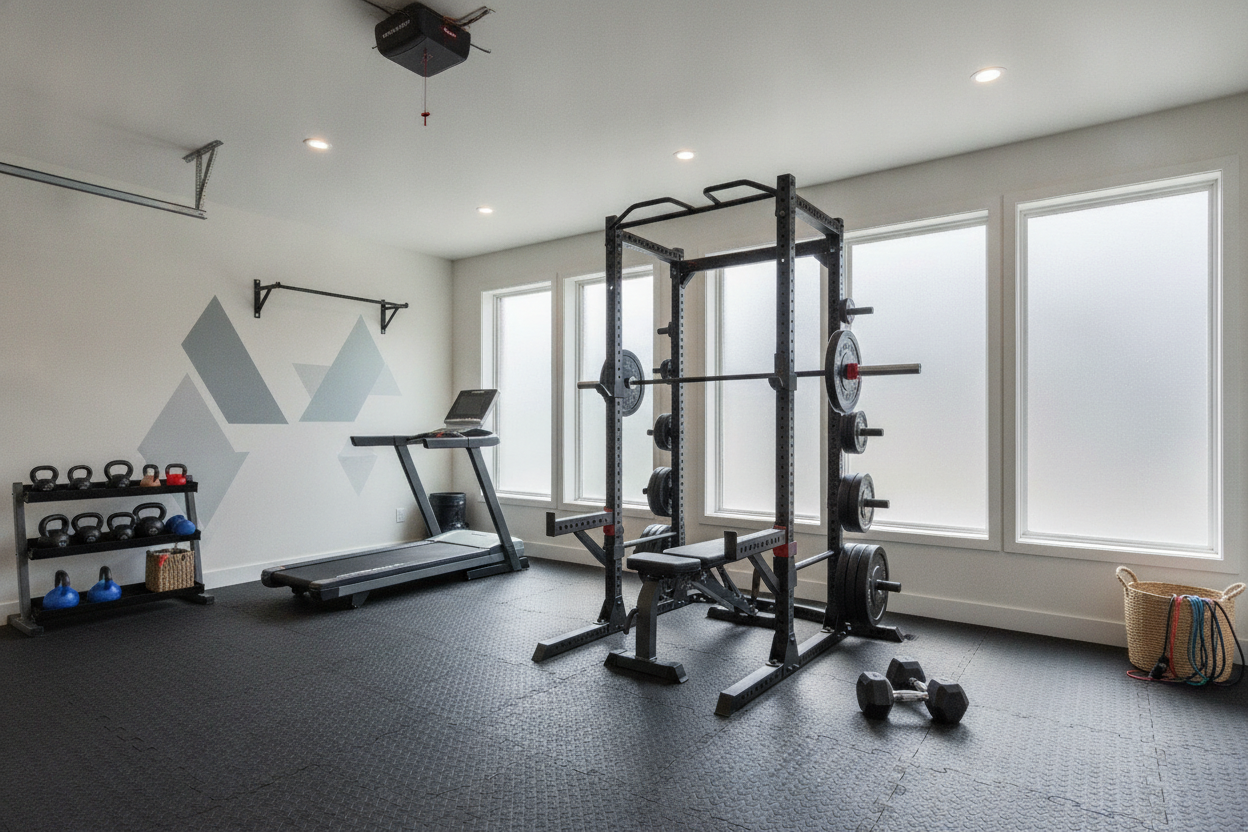
I’ve seen too many people fill a 10x10 room with a treadmill and a bulky multi-station machine, leaving no room for actual floor work. If a piece of equipment doesn't allow you to squat, hinge, push, or pull, it’s probably a paperweight. Think about the space-to-value ratio. A power rack is big, but it allows for thousands of variations. A 'vertical climber' is just a tall way to get bored.
The Boring Truth About Real Strength Gear
Real training isn't flashy, and neither is the gear that supports it. A used barbell with some surface rust and a decent knurl is infinitely more valuable than a 'smart' mirror with a monthly subscription. You want real strength equipment that relies on physics rather than software updates. Steel doesn't glitch, and gravity doesn't need a Wi-Fi connection.
I’ve had the same cast-iron plates for fifteen years. I’ve dropped them, moved them across three states, and left them in a humid garage. They still weigh exactly what they’re supposed to. Compare that to the 'popular' tech-heavy machines that become obsolete the moment the company stops supporting the app. Buy gear that your grandkids could theoretically use.
What You Actually Need to Start (That Won't Break in a Month)
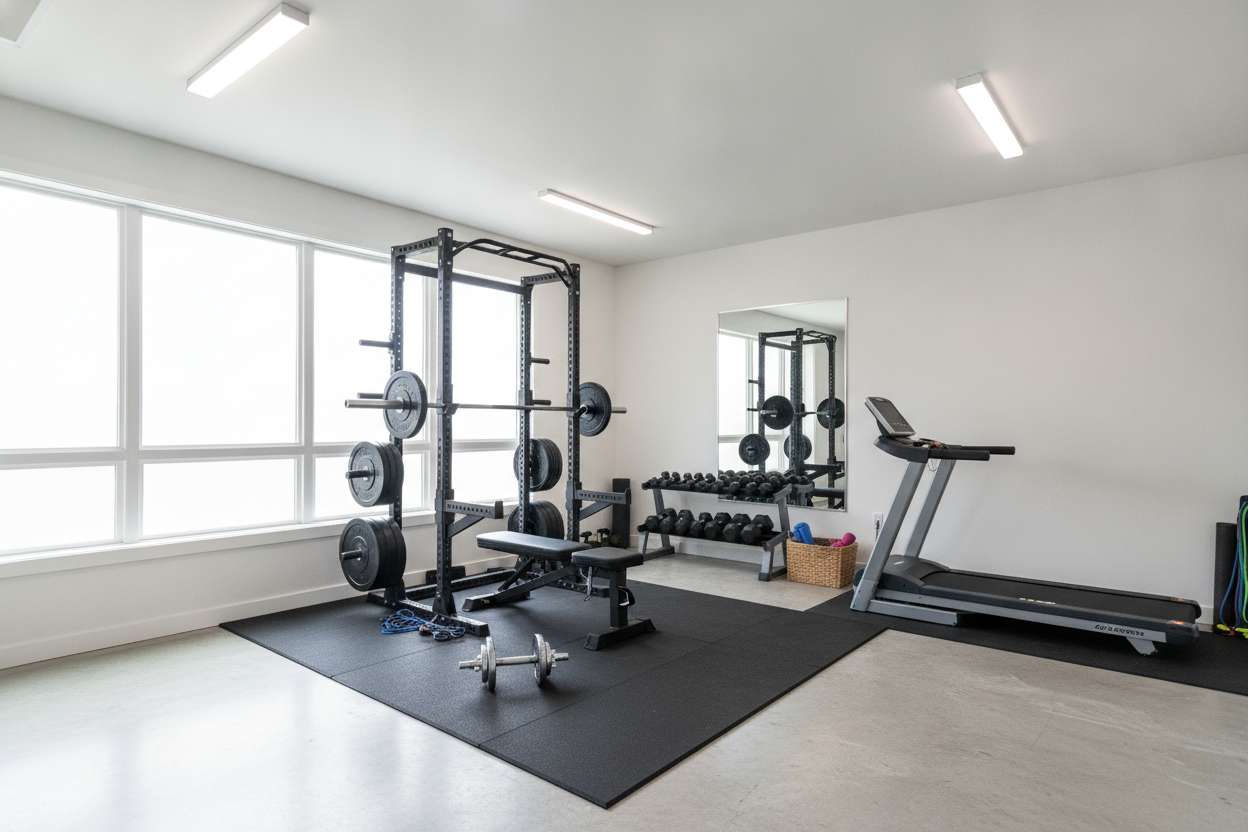
If you’re starting from scratch, ignore the 'Most Gifted' lists. Start with the foundation. A heavy-duty 6x8ft exercise mat is the first thing you should buy. It protects your concrete, dampens the noise so your neighbors don't hate you, and gives you a dedicated 'work zone' that defines the space.
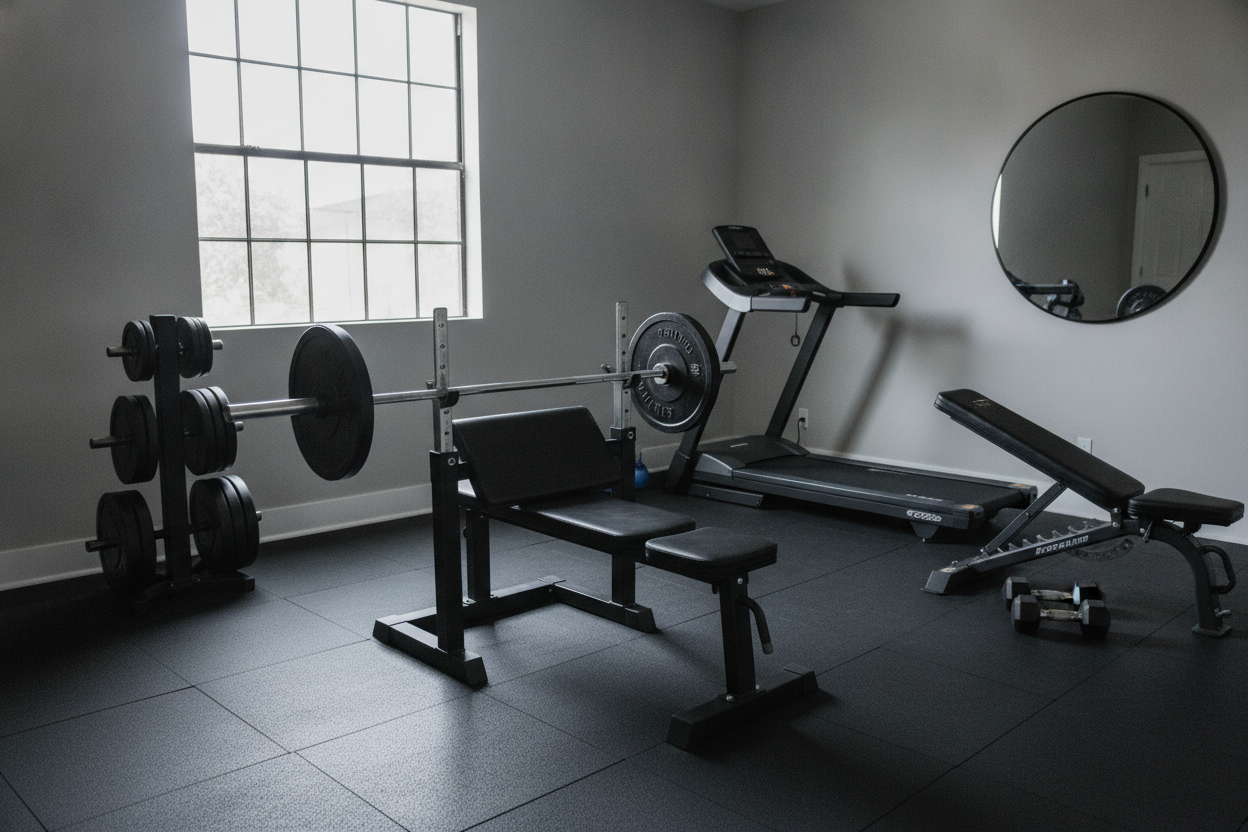
Once the floor is set, get a solid squat stand and a flat bench that doesn't fold. If it has hinges in the middle of the frame, it’s a weak point. You want solid welds and thick steel. It might cost 20% more than the best-seller, but you’ll only buy it once. That’s the secret to a great home gym: buy once, cry once.
Is a higher weight capacity always better?
Yes. Manufacturers often test to failure, then halve that number for the 'official' rating. If a bench is rated for 300 lbs, and you weigh 200 lbs, you only have 100 lbs of 'room' for your weights. That is a dangerously thin margin.
Why shouldn't I buy a folding rack or bench?
Hinges and pins are points of failure. While they save space, they often introduce wobble. Unless you are truly cramped for room, a fixed, welded frame will always be safer and more stable during heavy sets.
What is the most common mistake in home gym buying?
Buying for the person you want to be in six months rather than the training you do today. People buy complex machines thinking it will motivate them, but simple, heavy gear is what actually builds the habit.