I Tested the Internet's Top-Rated Fitness Equipment (Half Broke)
Last Tuesday, I found myself scrolling through a sea of five-star reviews for a $99 power rack at 1 AM. The 'top-rated' badge was practically glowing on my screen, and the algorithm was insistent that this was the top-rated fitness equipment of the year. I've spent a decade in garage gyms, and my gut told me it was junk, but curiosity won. I bought it, along with four other 'bestsellers,' just to see if the internet has lost its mind or if I'm just a gear snob.
Quick Takeaways
- Amazon ratings are often based on how fast the box arrived, not how the gear handles a 400-lb squat.
- If an adjustable bench weighs less than the person sitting on it, it is a liability, not a deal.
- Plastic pulleys on cable machines are the fastest way to ruin a back day and risk an injury.
- Real durability starts with 11-gauge steel and reinforced welds, not a shiny logo or a 'limited time' coupon.
The Five-Star Illusion: Why Reviews Lie to You
Most five-star reviews for top rated workout equipment are left on day one. You know the drill: the box arrives, the paint is shiny, and the user is excited. They haven't actually used it for a heavy session yet. They definitely haven't dropped a loaded barbell on the safety arms or seen how the powder coating holds up in a humid garage over six months.
When you see 10,000 reviews for a piece of gear, you're looking at a popularity contest, not a stress test. Real lifters know that gear doesn't show its true colors until you've sweated on it for a hundred sessions. Most of these 'highly rated' items are designed to look good in a thumbnail, but they lack the structural integrity required for serious strength training. They are built for the casual user who might pick up a dumbbell once a month, not for the person chasing a new PR.
The 'Amazon Special' Adjustable Bench That Terrified Me
I ordered a bench that claimed to be among the best exercise equipment for small spaces. It arrived in a box the size of a large pizza. Red flag number one. When I got it assembled, the whole thing weighed about 25 pounds. Red flag number two. The padding felt like recycled egg cartons covered in thin vinyl. When I tried to hit a set of incline presses with 80-lb dumbbells, the frame groaned like an old floorboard. It felt like it was going to fold under me.
Sorting by 'the best exercise equipment' on massive retail sites often leads you straight to these flimsy, wobbly death traps. They use thin 14-gauge steel that twists under load. If you are serious about your safety, you need to look at curated lists of best home and gym exercise equipment that prioritize steel thickness and bolt-down stability over a low price tag. A good bench should feel like a tank, not a lawn chair.
Cables and Pulleys: Where Cheap Gear Always Fails
Cable machines are where the 'top rated' lie really hurts. I tested a 'best-selling' lat pulldown attachment that used nylon pulleys and thin, uncoated cables. On the third rep of a 150-lb set, the plastic pulley literally shattered. The cable jumped the track and frayed instantly. It’s a miracle I didn’t take a metal bar to the skull.
The best gym equipment doesn't cut corners on the moving parts. You want aluminum pulleys with high-quality bearings and 7x19 strand coated steel cables. If the machine you're looking at uses plastic wheels that look like they belong on a toy car, keep moving. The friction from a heavy workout will melt that plastic over time, leading to jerky movements and eventually, a total snap mid-set.
If You Must Buy Cheap, Protect Your Foundation First
I get it—not everyone has three grand to drop on a rack and plates. But if you're going to experiment with budget gear, don't skimp on the one thing that protects your house. Dropping a cheap, iron-cast 'top fitness products' barbell on bare concrete is a recipe for a cracked slab and a bent bar. You need to invest in your floor before you buy a single plate.
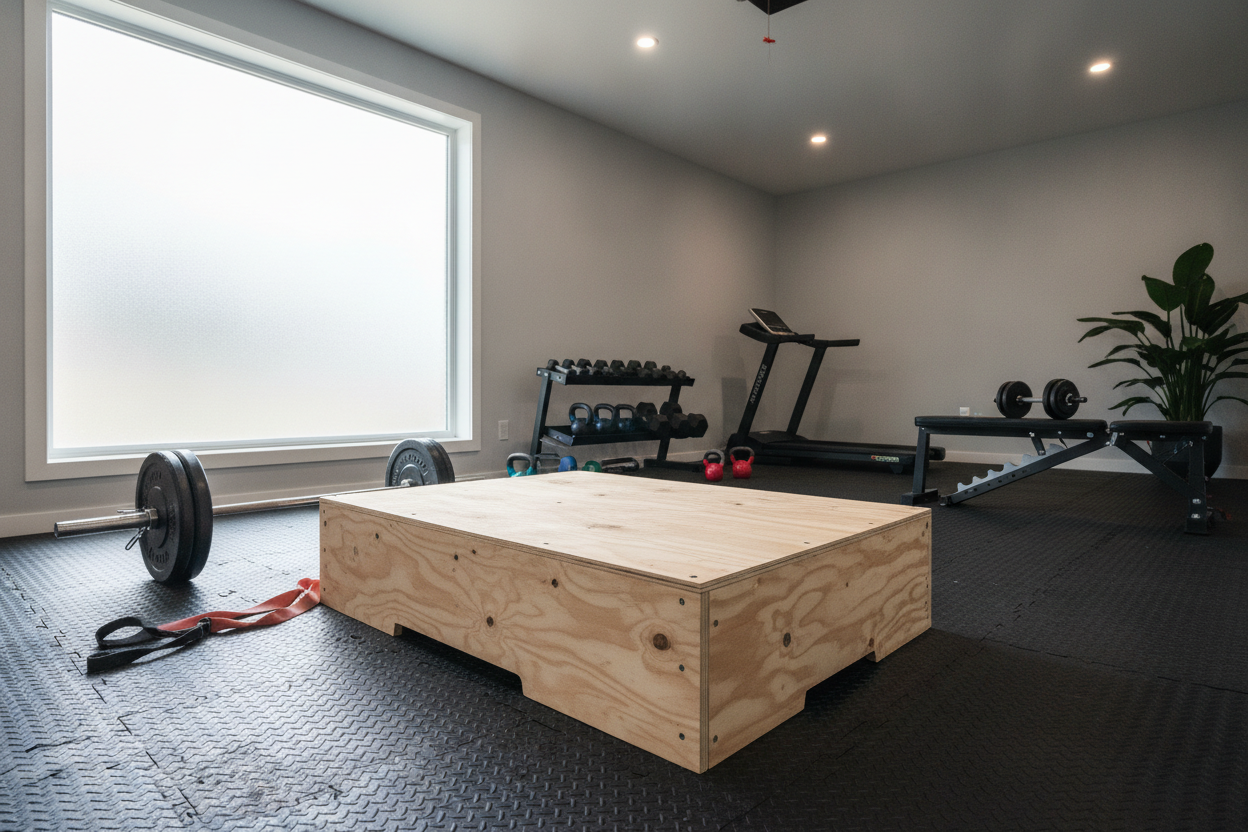
Before you start unboxing your new haul, lay down a heavy-duty gym flooring for home workout. It dampens the noise, saves your joints during floor work, and keeps your equipment from sliding around. I've seen guys buy 'best sport equipment' only to have it ruin their garage floor in a week. Don't be that guy. A solid 3/4-inch rubber mat is the best insurance policy your gym will ever have.
The Heavy-Duty Brands That Actually Earn Their Hype
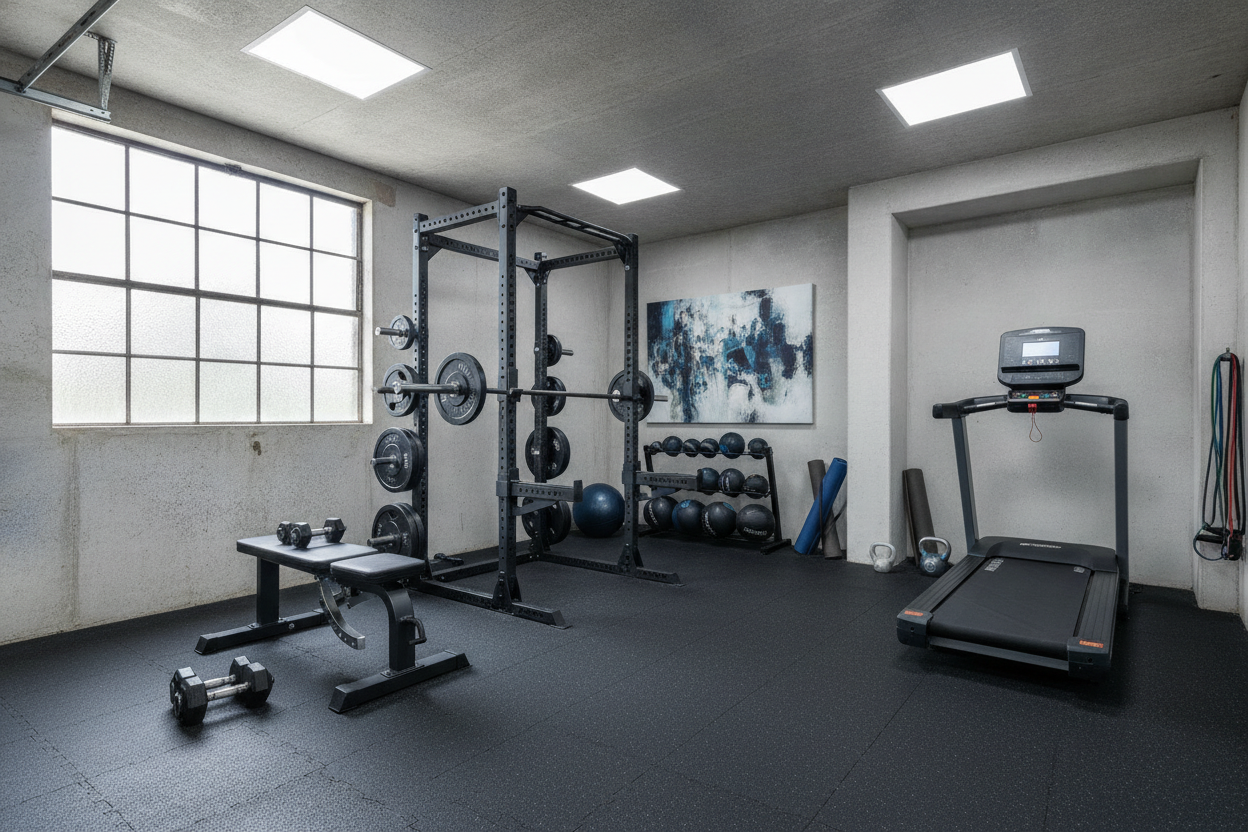
If you're hunting for the best home gym 2025 setup, you need to ignore the sponsored ads and look at the specs. Real gear uses 11-gauge steel, 1-inch hardware, and 3x3-inch uprights. When you buy from the best fitness equipment brands, you aren't just paying for a name. You're paying for welds that won't snap and customer service that actually answers the phone when a bolt is missing.
I’ve tested the big names and the boutique brands. The difference is in the details—the knurling on the bar that doesn't cheese-grate your hands, the powder coat that doesn't flake off the first time a plate touches it, and the stability of a rack that doesn't need to be bolted to the floor just to stay upright. That is the gear that actually earns its five-star reputation over years, not days.
My 3-Step Checklist for Spotting Fake Fitness Products
Don't get fooled by the 'Amazon Choice' banner. First, check the 'Item Weight.' If a squat rack weighs less than 100 lbs, it’s a coat rack, not a piece of gym equipment. Second, look at the weight capacity. If a bench claims a 1,000-lb capacity but only costs $60, someone is lying to you. Real testing certifications cost money, and cheap manufacturers skip them.
Third, look for real-world video reviews where people are actually moving heavy weight. If every photo in the listing is a photoshopped model, stay away. Instead of settling for cheap knockoffs that you'll have to replace in six months, hunt for legitimate home gym equipment deals from reputable manufacturers. Buying it right once is always cheaper than buying it twice because the first one broke.
FAQ
Is 14-gauge steel okay for a home gym?
For a light-duty plate tree or a storage rack, it’s fine. For a power rack or a bench where you'll be lifting heavy, no. You want 11-gauge steel for anything that supports your body weight plus a barbell.
Why are aluminum pulleys better than plastic?
Plastic pulleys wear down from the heat generated by the cable friction. They can warp or crack. Aluminum pulleys stay cool, keep the cable aligned, and provide a much smoother, 'commercial gym' feel.
How much should I spend on a barbell?
Expect to spend at least $200-$300 for a quality entry-level bar. It is the most important connection between you and the weight. A cheap bar will have poor sleeve rotation and might permanently bend under a heavy load.